Montbeliarde Cattle Guide: French Dual-Purpose Breed
A comprehensive guide to Montbeliarde cattle for professional buyers — covering breed characteristics, dual-purpose performance, Comté cheese heritage, continental genetics, and sourcing from France.
Table of Contents
Introduction to Montbeliarde Cattle
The Montbeliarde is France's second most numerous cattle breed, a dual-purpose animal that combines strong dairy performance with substantial beef potential. Originating from the Franche-Comté region in eastern France, the breed is the backbone of one of the world's most prestigious cheese industries — Comté — and simultaneously produces surplus animals that are well-suited to beef finishing operations. With over 400,000 registered cows in France and a growing international presence, the Montbeliarde is a breed that professional livestock buyers should understand thoroughly.
For Italian fattening operators, Montbeliarde cattle represent an increasingly attractive sourcing option. Young bulls and cull cows from Montbeliarde dairy herds offer a combination of strong frame size, continental genetics, and competitive pricing that can enhance the economics of fattening operations. The breed's robust constitution and adaptability to varied management systems mean that Montbeliarde cattle typically handle cross-border transport and feedlot adaptation well.
This guide covers everything professional buyers need to know about Montbeliarde cattle — from breed history and physical characteristics to dairy and beef performance, the Comté cheese connection, sourcing dynamics in France, and the logistics of procurement and transport to Italy.
Origin and Breed History
The Montbeliarde breed takes its name from the town of Montbéliard in the Doubs department of eastern France, in the historic region of Franche-Comté. The breed's development began in the 18th century when Bernese cattle from Switzerland were crossed with local Franche-Comté cattle, creating a population that combined Swiss dairy genetics with the hardiness and adaptability of the local stock.
The formal breed society — the Société de la Race Montbéliarde — was established in 1889, and the first herd book was opened shortly thereafter. Throughout the 20th century, the breed underwent systematic improvement through structured breeding programs that balanced dairy production with beef conformation, functional longevity, and disease resistance. This balanced selection philosophy has been central to the Montbeliarde's success and distinguishes it from breeds that have been selected almost exclusively for milk volume.
The Montbeliarde's rise to prominence in French agriculture is closely linked to the Comté cheese industry. The AOC (now AOP — Appellation d'Origine Protégée) regulations for Comté cheese, which specify strict production standards including the breeds of cattle permitted to supply milk, have provided a powerful economic incentive for farmers in the Jura and Franche-Comté regions to maintain and improve Montbeliarde herds. Today, Montbeliarde and French Simmental are the only breeds whose milk may be used for Comté production.
Internationally, the Montbeliarde has gained significant ground in recent decades. The breed has been exported to over 50 countries, with substantial populations established in North Africa, the Middle East, South America, and other European countries. This export success reflects the breed's adaptability and the global recognition of its dual-purpose utility — particularly its ability to produce high-quality milk under less-than-ideal management conditions.
Physical Characteristics and Conformation
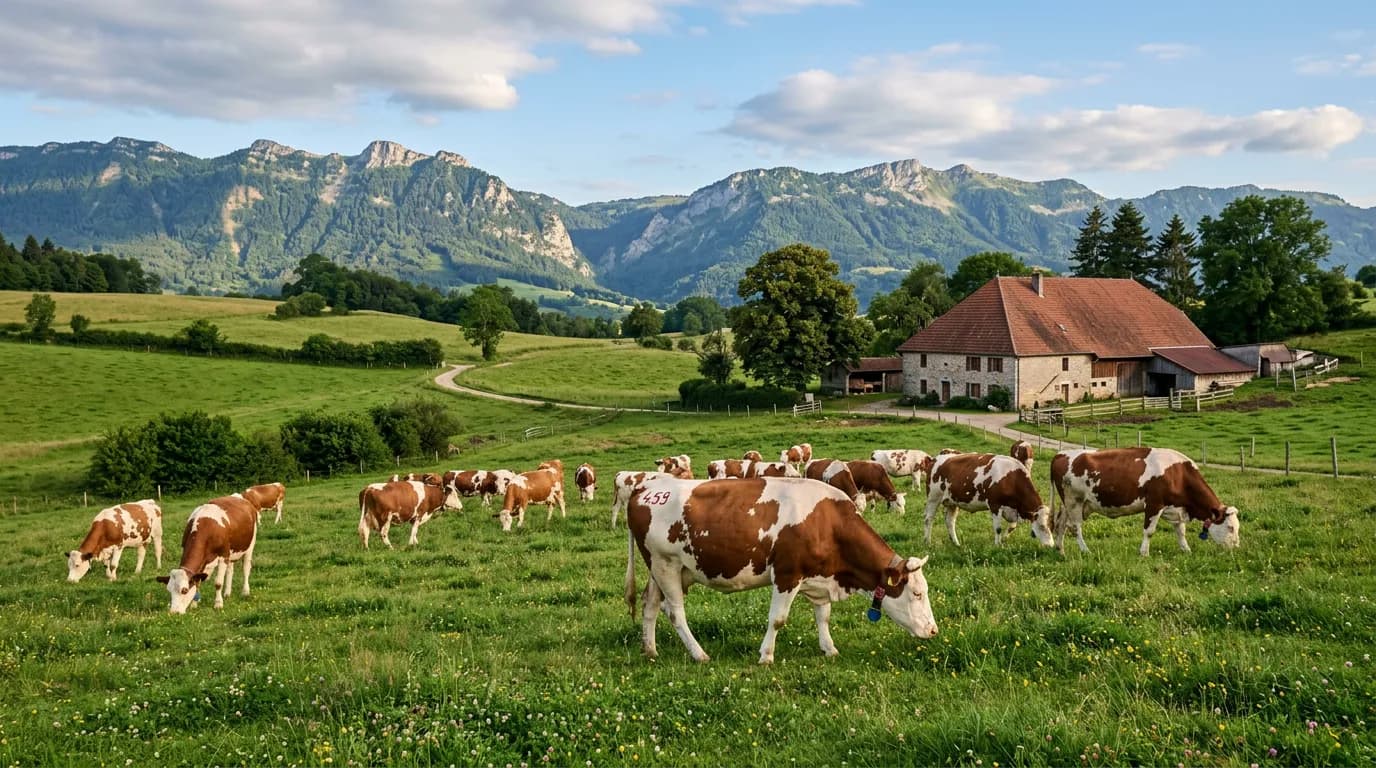
Montbeliarde cattle are visually distinctive, with a red-and-white pied coat pattern that makes them easily identifiable in any herd. The red coloration ranges from deep cherry red to lighter orange-red, distributed in large, well-defined patches on a white base. The head is characteristically white, often with a red patch around one or both eyes. The legs are typically white below the knee and hock, and the tail switch is white.
The breed displays a strong, well-proportioned frame that reflects its dual-purpose heritage. Mature cows typically weigh 650 to 800 kg, while bulls range from 1,000 to 1,200 kg — making the Montbeliarde one of the larger dual-purpose breeds in Europe. The body is deep and wide, with a well-developed chest, strong back, and good muscular development through the loin and hindquarter. The udder is well-attached and functional, with good teat placement and size.
The skeletal structure is robust, with strong, medium-length legs and hard, well-pigmented hooves. The breed's foot quality is a notable strength, contributing to its longevity in both dairy and beef production systems. The head is proportionate and alert, with a broad forehead, medium-sized horns that curve forward and slightly upward (though polled genetics are being developed), and a strong jaw.
From a buyer's perspective assessing Montbeliarde cattle for beef finishing, the breed's strong frame and substantial body weight provide an excellent foundation for efficient fattening. The natural muscular development — particularly through the hindquarter — is more pronounced than in many dairy breeds, reflecting the ongoing dual-purpose selection. Well-fed Montbeliarde cattle carry good natural muscling and produce carcasses with better conformation than would be expected from a breed often categorized primarily as dairy.
Dairy Performance and the Comté Connection
The Montbeliarde's dairy credentials are formidable. Average milk production in French herds stands at approximately 7,500-8,200 kg per lactation, with leading herds exceeding 9,000 kg. More importantly for the cheese industry, Montbeliarde milk is characterized by high component levels — typically 3.9-4.1% fat and 3.4-3.6% protein — and a casein profile that is ideal for cheese manufacture.
The breed's milk contains a high proportion of kappa-B casein, the protein variant most closely associated with efficient cheese production. This genetic advantage translates into faster rennet coagulation, firmer curd formation, and higher cheese yield per litre of milk compared to breeds with a higher proportion of kappa-A casein. For Comté producers, this difference is economically significant — and it is the primary reason why Comté AOP regulations restrict milk supply to Montbeliarde and French Simmental herds.
Comté cheese, produced in the Jura and Franche-Comté regions, is France's most popular AOP cheese by volume, with annual production exceeding 66,000 tonnes. The Comté production system is based on small cooperative dairies (fruitières) that collect milk from member farms within strictly defined geographic zones. Each dairy wheel weighs approximately 40 kg and must be aged for a minimum of 4 months, with premium grades aged for 12-24 months or more.
The economic significance of the Comté industry for Montbeliarde breeding cannot be overstated. Comté milk commands a significant premium over standard commodity milk — often 20-30% above the base price — which supports farm profitability and incentivizes continued investment in Montbeliarde genetics. This strong dairy economy sustains a large, well-managed Montbeliarde population that, in turn, generates a consistent supply of surplus animals for the beef chain.
Beyond Comté, Montbeliarde milk is also used for several other prestigious French cheeses, including Morbier, Mont d'Or (Vacherin du Haut-Doubs), and Cancoillotte. The breed's contribution to France's cheese heritage is both culturally significant and commercially valuable.
Beef Performance and Finishing Potential
The Montbeliarde's beef performance benefits from the breed's strong frame, continental genetics, and decades of dual-purpose selection that has maintained muscular development alongside dairy improvement. For professional buyers, Montbeliarde cattle offer genuinely useful beef potential that should not be overlooked.
Young Montbeliarde bulls in French beef production systems typically achieve average daily gains of 1.1 to 1.4 kg per day under intensive finishing conditions, with crossbred animals (Montbeliarde dam x beef sire) reaching 1.3-1.6 kg per day. These growth rates reflect the breed's substantial body weight potential and efficient feed utilization. Feed conversion ratios for purebred Montbeliarde cattle in finishing systems range from 6.5:1 to 8:1 (kg feed per kg gain), improving to 6:1-7:1 in well-managed crossbred finishing programs.
Carcass characteristics of finished Montbeliarde cattle include a dressing percentage of 54-58% for purebred animals, rising to 56-60% for crossbreds with beef sires. Carcass conformation typically grades O+ to R- on the EUROP classification system for purebred animals, with crossbreds frequently achieving R grades. The meat quality is highly regarded, with good colour, fine texture, moderate intramuscular fat, and excellent eating characteristics.
For Italian fattening operations, several categories of Montbeliarde cattle are commercially relevant. Cull dairy cows represent a significant volume opportunity — Montbeliarde cull cows, typically weighing 600-750 kg and aged 5-10 years, can be finished over a 60-90 day period to produce carcasses of 320-400 kg suitable for manufacturing and processing markets. Young bulls from dairy herds, available from 8-14 months at weights of 300-450 kg, can be finished to slaughter weights of 600-700 kg over a 4-6 month period. Crossbred store cattle, produced by mating Montbeliarde cows with Charolais, Limousin, or Blonde d'Aquitaine bulls, offer the strongest beef performance and are increasingly available in French livestock markets.
The Montbeliarde's strong frame size and substantial mature weight mean that finished animals produce heavy carcasses — an advantage in markets where heavier carcasses attract premium per-kilogram pricing or are preferred by processors.
Continental Genetics and Crossbreeding Value
The Montbeliarde's genetic background positions it as a valuable component in crossbreeding strategies for both dairy and beef production. The breed's continental European origins — combining Swiss Bernese genetics with French Franche-Comté bloodlines — have produced a gene pool characterized by strong frame size, good muscular development, sound structural traits, and robust health.
In beef crossbreeding programs, Montbeliarde cows serve as effective dams when mated to terminal beef sires. The resulting F1 calves benefit from heterosis (hybrid vigour) and combine the Montbeliarde dam's frame size, milk production (supporting strong pre-weaning calf growth), and structural soundness with the sire breed's superior muscling and growth potential. Charolais x Montbeliarde is the most common cross for beef production in France, producing calves with excellent growth rates and carcass characteristics.
The Montbeliarde's genetic strength in functional traits — fertility, longevity, foot health, and disease resistance — makes it an attractive option for dairy crossbreeding programs as well. In several European countries, Montbeliarde genetics are being used in structured crossbreeding systems (such as ProCROSS) that rotate Montbeliarde, Viking Red, and Holstein sires to exploit heterosis while improving functional traits in commercial dairy herds.
For livestock buyers, the practical significance of the Montbeliarde's crossbreeding value is twofold. First, it means that a growing supply of Montbeliarde-cross animals — both dairy replacements and beef stores — is entering the market as crossbreeding programs expand. Second, the Montbeliarde dam's genetic contribution ensures that crossbred offspring inherit solid structural traits and health characteristics that benefit subsequent owners in the supply chain, including fattening operators.
The breed's selected production systems in France — characterized by rigorous health protocols, structured breeding programs, and professional herd management — further enhance the quality of animals available for export. Buyers sourcing Montbeliarde cattle from established French production regions can expect animals with documented genetic records, comprehensive health histories, and verified performance data.
Sourcing Montbeliarde Cattle from France
The Montbeliarde's stronghold in eastern France — particularly the departments of Doubs, Jura, Haute-Saône, and Ain in the Franche-Comté and Bourgogne regions — provides the primary sourcing area for professional buyers. However, the breed's widespread distribution across France (Montbeliarde is the second most numerous breed after Holstein nationally) means that sourcing opportunities exist in many regions.
The French market for Montbeliarde surplus animals follows patterns driven primarily by the dairy production cycle. Young bulls are typically available year-round, as dairy farms routinely sell male calves that are not required for breeding. The largest volumes of young bulls enter the market in spring (March-May) and autumn (September-November), corresponding to peak calving periods in Montbeliarde herds. Cull cow availability peaks in autumn and winter when farmers make annual culling decisions based on the year's production and reproduction data.
Purchasing channels include regional livestock markets, direct farm purchases, and broker-facilitated transactions. The market at Pontarlier (Doubs), situated in the heart of Montbeliarde country, is a major trading point for the breed. Other significant markets include Besançon, Lons-le-Saunier, and various markets in the Ain and Saône-et-Loire departments.
Pricing for Montbeliarde cattle reflects the breed's dual-purpose positioning. Young bulls for finishing are typically priced competitively against other dairy-breed surplus animals, often at a modest premium reflecting the Montbeliarde's superior beef conformation. Cull cows command prices that reflect body weight and condition, with well-conditioned Montbeliarde cull cows often achieving higher prices per kilogram than cull cows from dairy-specialist breeds due to their superior muscling.
Bovatra has established sourcing networks in the principal Montbeliarde breeding regions of eastern France. Our procurement team is experienced in selecting Montbeliarde cattle that meet the specific requirements of Italian fattening operations — whether for purebred young bulls, cull cows, or crossbred store cattle. We manage the complete procurement process from animal selection through health certification to transport coordination.
Transport and Logistics to Italy
The geographic position of the Montbeliarde heartland in eastern France offers a logistical advantage for Italian buyers. The Franche-Comté region is situated relatively close to the Swiss and Italian borders, with the typical transport route from the Doubs or Jura departments to northern Italy covering 500-800 km depending on the specific origin and destination. Transit times range from 7 to 14 hours, comfortably within the EU regulation's framework for cattle transport.
The most commonly used routes pass through Switzerland (via the Simplon or Gotthard passes) or follow French motorways south through Lyon and into Italy via the Mont Blanc or Fréjus tunnels. Route selection depends on the specific origin and destination, toll costs, transit regulations, and seasonal conditions. Swiss transit routes require additional documentation (transit permits) but can offer shorter distances for certain origin-destination combinations.
Montbeliarde cattle are generally calm and manageable during transport, with the breed's docile temperament — a trait actively selected for in breeding programs — reducing the risk of transport-related stress and injuries. Their robust constitution means they typically handle the rigours of cross-border transport with minimal health consequences, and the post-arrival adaptation period tends to be shorter than for less hardy breeds.
All transport must comply with EU Council Regulation (EC) No 1/2005, with requirements for authorized vehicles, fitness for transport verification, appropriate loading densities (1.3-1.6 m² per animal depending on weight), and complete documentation including TRACES notifications and health certificates. For journeys exceeding 8 hours, detailed journey logs and enhanced vehicle specifications apply.
Bovatra coordinates the complete logistics chain for Montbeliarde cattle procurement, from arranging EU-authorized carriers to preparing all regulatory documentation and managing the delivery schedule. Our familiarity with the eastern France to northern Italy transport corridor ensures efficient, welfare-compliant deliveries that minimize transit time and animal stress.
Feeding and Management in Italian Systems
Integrating Montbeliarde cattle into Italian fattening systems requires attention to the dietary transition and management practices that optimize the breed's finishing potential. Animals arriving from French dairy-oriented production systems will have been raised on diets that differ from typical Italian finishing rations, making a structured adaptation protocol essential.
The arrival and adaptation period — the first 2-3 weeks — should prioritize animal recovery from transport stress. Offering good-quality hay or haylage, clean water, and mineral supplements provides a low-stress nutritional foundation. Animals should be observed closely for signs of respiratory disease, which is the most common health challenge in the post-transport period. Vaccination protocols should be reviewed and updated as necessary.
Concentrate introduction should follow a gradual step-up program, beginning at 1-2 kg per head per day and increasing by 0.5-1.0 kg every 3-4 days until the target finishing ration is achieved. A typical finishing ration for Montbeliarde cattle in Italian feedlots consists of 40-50% maize silage, 25-35% concentrate mix (barley, maize grain, wheat), 10-15% protein supplement (soybean meal, rapeseed meal), and 3-5% mineral-vitamin premix.
Target dry matter intake for finishing Montbeliarde cattle is 2.1-2.4% of body weight per day, reflecting the breed's substantial frame size and capacity. Protein levels should be maintained at 12-14% crude protein on a dry matter basis during the growing phase, with energy density targeting 11-12 MJ metabolizable energy per kg dry matter.
Water consumption for Montbeliarde cattle in finishing systems typically ranges from 40-65 litres per head per day, depending on body weight, ambient temperature, and diet dry matter content. Adequate water provision is essential for maintaining feed intake and growth performance.
Housing requirements are straightforward — Montbeliarde cattle adapt well to both slatted-floor and straw-bedded systems. The breed's calm temperament facilitates group management, and their social nature means new arrivals typically integrate into established groups with minimal disruption. Adequate space allowances (3.5-5.0 m² per animal in housed systems) should be provided in accordance with EU welfare standards.
Why Choose Montbeliarde for Your Operation
The Montbeliarde breed occupies a distinctive position in the European livestock market that offers specific advantages for professional buyers with the knowledge to exploit them. While the breed may not be the first choice for buyers seeking maximum muscular development or extreme growth rates, it presents a compelling value proposition when evaluated on total cost of ownership and operational efficiency.
Competitive pricing is a significant attraction. Montbeliarde surplus animals — particularly young bulls and cull cows — are often available at prices below those of specialist beef breeds, reflecting their dairy-herd origin. This initial price advantage creates room for attractive margins when animals are finished efficiently and marketed through appropriate channels.
The breed's strong frame and substantial mature weight translate into heavy carcasses at slaughter. Finished Montbeliarde cattle produce carcass weights that compare favorably with many beef breeds, and the combination of frame size and moderate muscling produces carcasses that grade well for processing and manufacturing markets. For buyers supplying processors that pay on carcass weight, the Montbeliarde's heavy carcass output can be a significant advantage.
Robust health and functional soundness reduce the hidden costs that erode fattening margins. Montbeliarde cattle's strong feet, sound legs, and resilient constitution mean fewer veterinary interventions, lower treatment costs, and reduced mortality during the finishing period. These savings accumulate over time and can meaningfully improve the profitability of operations that handle significant volumes of cattle.
Consistent supply availability, underpinned by the strong Comté cheese economy and the large French Montbeliarde population, provides procurement reliability that more niche breeds cannot match. Italian buyers can plan purchasing programs with confidence that adequate volumes of Montbeliarde cattle will be available throughout the year.
Bovatra is well-positioned to help buyers explore the potential of Montbeliarde cattle for their specific operations. Contact us to discuss your requirements and receive a detailed sourcing proposal that demonstrates how Montbeliarde cattle can contribute to your procurement strategy.
Source Montbeliarde Cattle
Related Guides
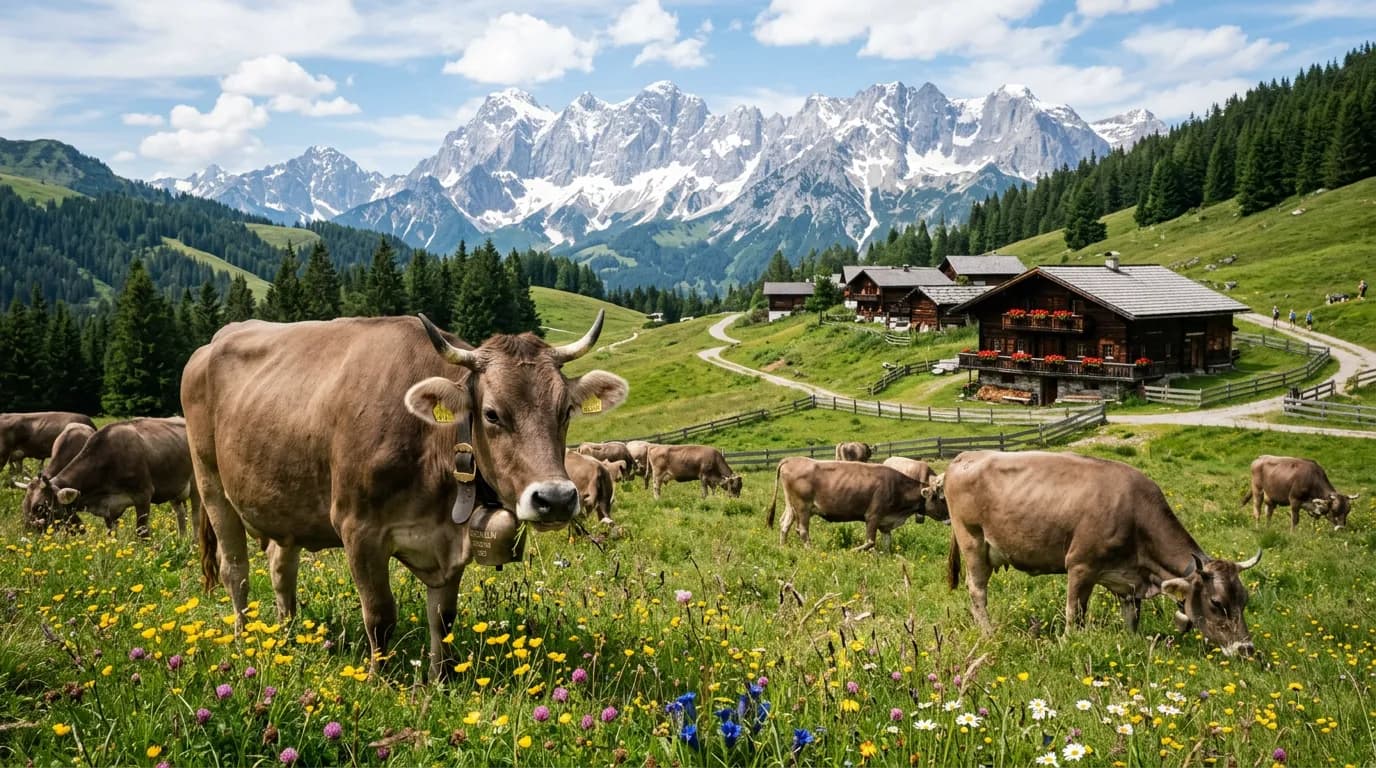
Brown Swiss Cattle Guide: Dual-Purpose Alpine Breed Profile
A complete guide to Brown Swiss cattle for professional buyers — covering dual-purpose characteristics, alpine heritage, dairy and beef performance, sourcing from Austria and Switzerland, and cross-border logistics.
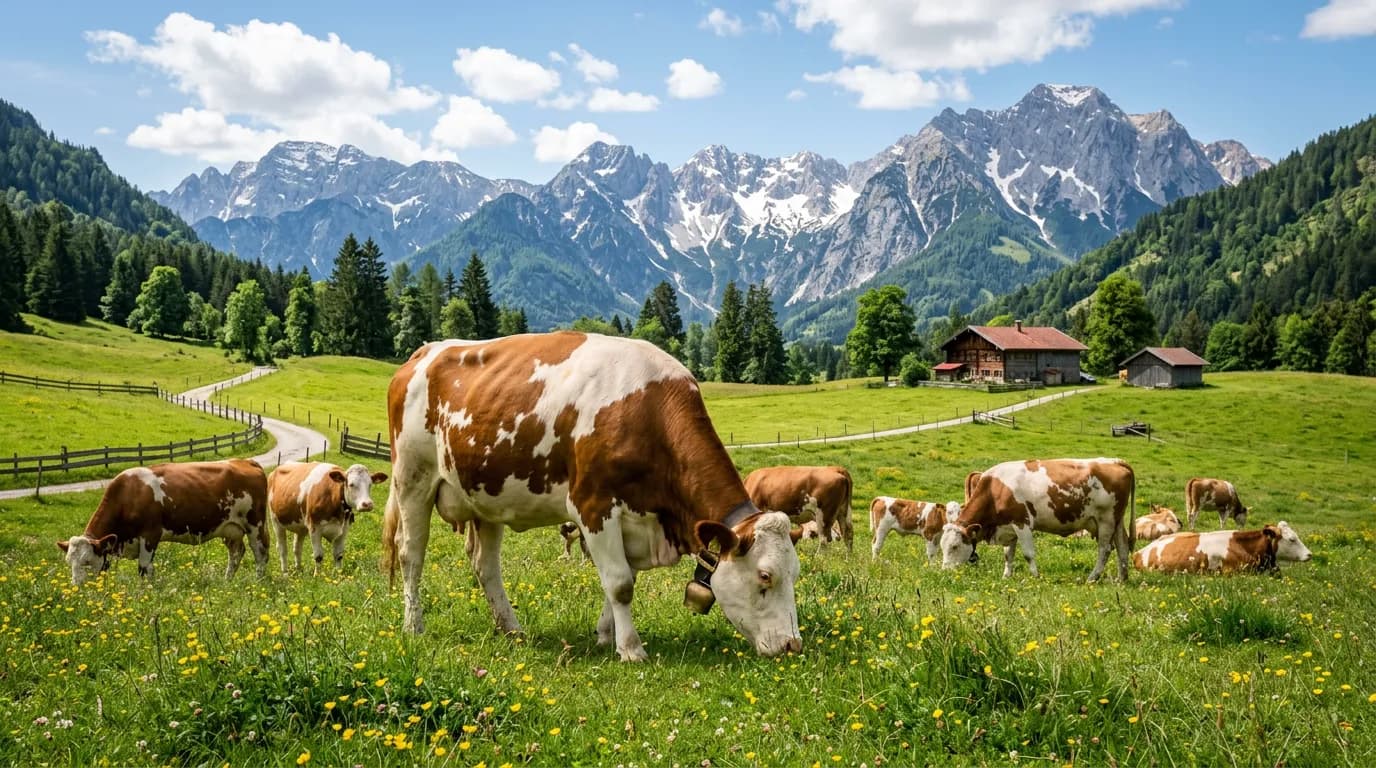
Simmental (Fleckvieh) Cattle Guide: Dual-Purpose Breed Profile
A comprehensive guide to Simmental (Fleckvieh) cattle for professional buyers — dual-purpose breed traits, fattening performance, German and Austrian sourcing, and transport logistics to Italy.
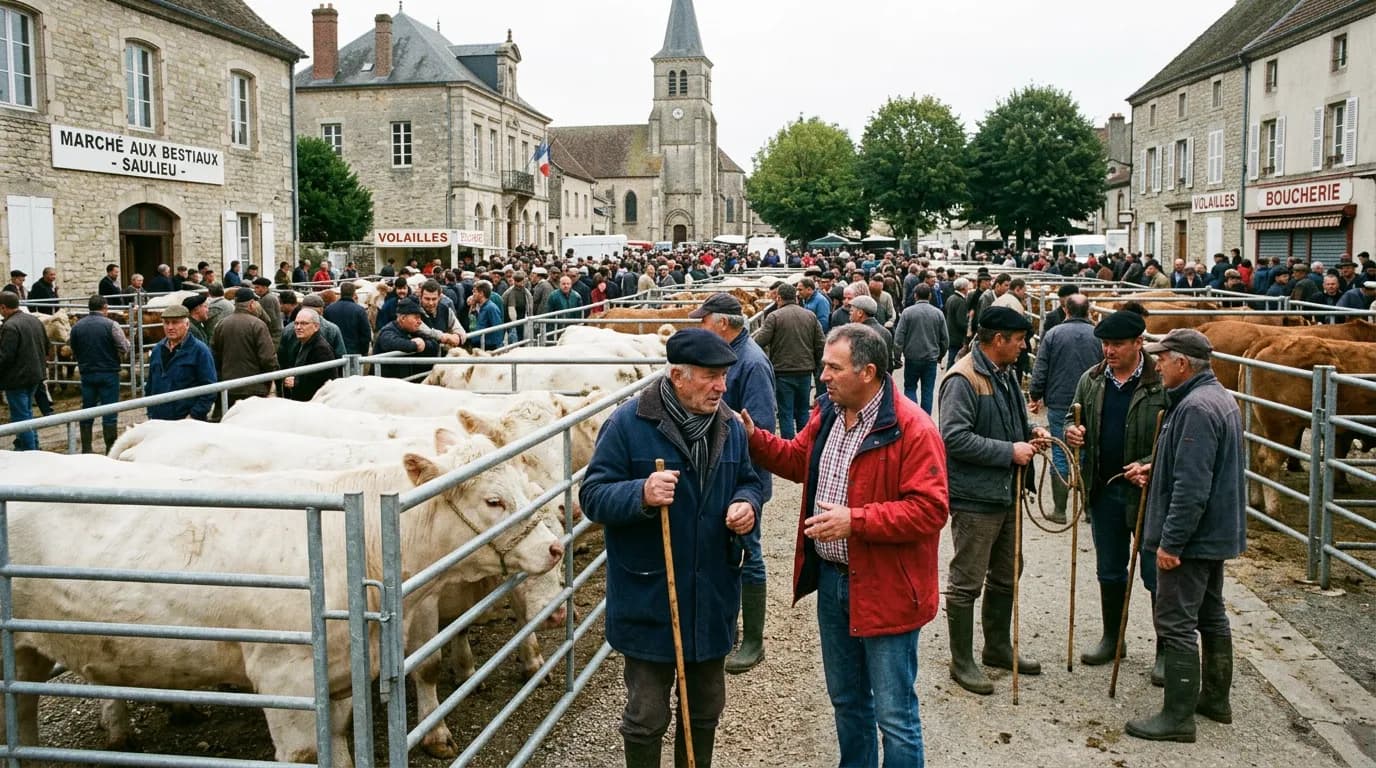
Buying Cattle From France: Breeds, Markets & Export Process
A comprehensive guide to sourcing cattle from France for European buyers — covering available breeds, livestock markets, seasonal patterns, export documentation, and transport logistics.
Ready to Source Livestock — or List Your Stock?
Whether you are a buyer looking for specific breeds or a seller seeking reliable access to European buyers, Bovatra manages the full transaction cycle.