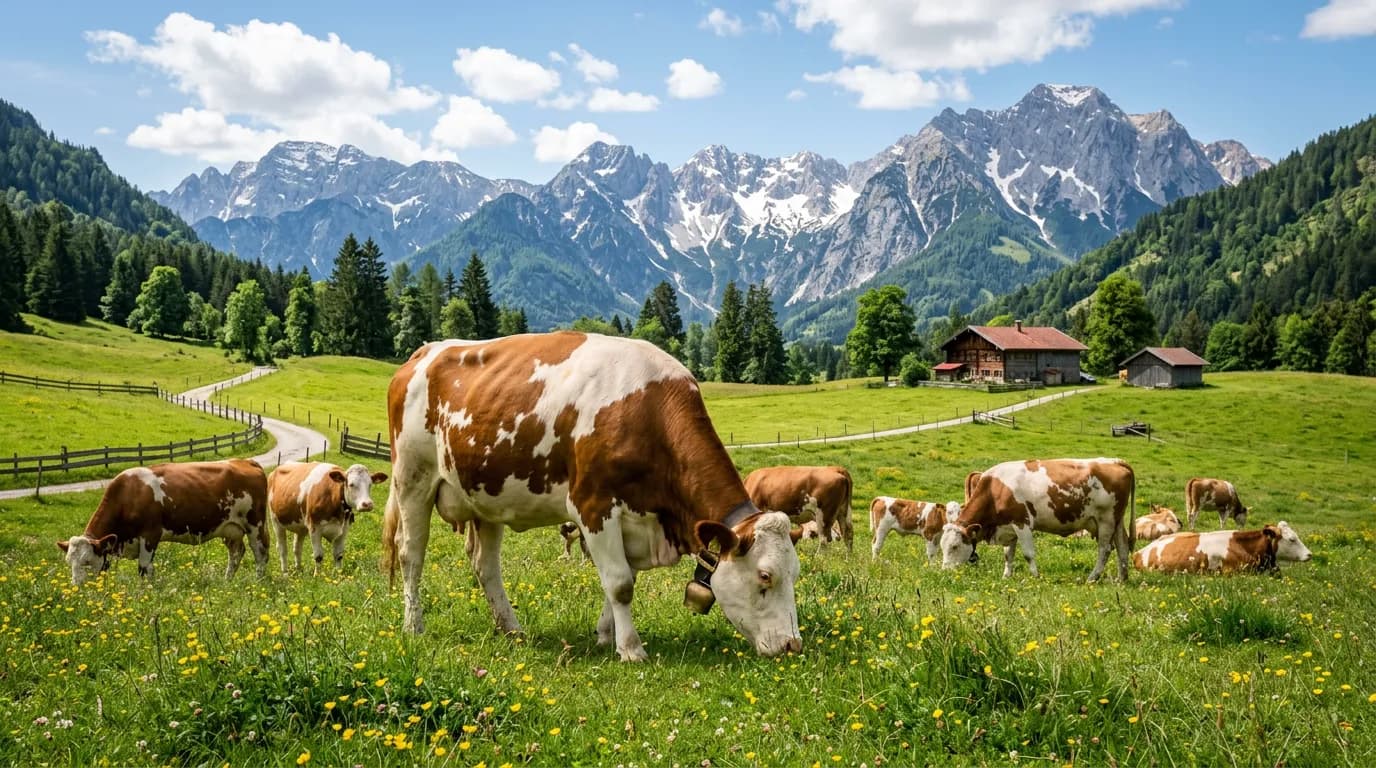
Simmental (Fleckvieh) Cattle Guide: Dual-Purpose Breed Profile
A comprehensive guide to Simmental (Fleckvieh) cattle for professional buyers — dual-purpose breed traits, fattening performance, German and Austrian sourcing, and transport logistics to Italy.
Table of Contents
Introduction to Simmental (Fleckvieh) Cattle
The Simmental — known as Fleckvieh in German-speaking countries — is one of the oldest and most widely distributed cattle breeds in the world. With an estimated global population exceeding 60 million head, Simmental cattle are found on every continent and serve an extraordinary range of production purposes. For professional buyers supplying Italian fattening operations, the Simmental represents a versatile and reliable option backed by the deep supply infrastructure of the German and Austrian livestock industries.
What distinguishes the Simmental from most other breeds in the European beef trade is its dual-purpose heritage. Selectively bred for both milk and beef production over centuries, the Fleckvieh combines solid muscular development with a robust frame and strong constitution. This dual-purpose foundation produces animals that perform well in fattening systems while offering excellent health, structural soundness, and adaptability.
This guide provides a complete overview of Simmental (Fleckvieh) cattle for professional livestock buyers. It covers the breed's origins, physical characteristics, growth performance in fattening systems, feeding requirements, health profile, sourcing from Germany and Austria, transport logistics, and market positioning — everything needed to evaluate the breed's fit within your procurement strategy.
Breed Origin and History
The Simmental breed traces its origins to the Simme Valley (Simmental) in the Bernese Oberland region of western Switzerland. Historical records confirm the presence of large, spotted cattle in this alpine valley as early as the Middle Ages, and organized breeding efforts have been documented since the late 18th century. The breed's Swiss foundation was exported extensively throughout the 19th century, establishing major populations in Germany, Austria, France, Italy, and across Central and Eastern Europe.
In Germany and Austria, the breed developed along a specifically dual-purpose path under the name Fleckvieh (meaning 'spotted cattle'). Bavarian and Austrian breeding programs placed strong emphasis on combining milk production capability with muscular development and growth potential. This balanced selection philosophy produced a breed that could serve both the dairy and beef sectors — a pragmatic approach that has proven its economic value across generations.
The German Fleckvieh herd book, maintained by the Bayerischer Fleckvieh-Zuchtverband and other regional breeding associations, is one of the most comprehensive genetic databases in the global cattle industry. Germany's Fleckvieh population numbers approximately 4 million cows, concentrated primarily in Bavaria but also significant in Baden-Württemberg, Hesse, and other southern German states. Austria maintains an additional population of approximately 1.8 million Fleckvieh cows, making the combined German-Austrian Fleckvieh population one of the largest organized breeding populations of any cattle breed worldwide.
This enormous population base ensures consistent availability and supply reliability for international buyers — a key consideration for Italian fattening operations that require steady, year-round procurement.
Physical Characteristics and Conformation
Simmental (Fleckvieh) cattle are immediately recognizable by their distinctive red-and-white spotted or piebald coat pattern. The base color ranges from light gold to dark red, with white patches typically concentrated on the head, legs, belly, and tail switch. The head is characteristically white with a broad forehead, and the muzzle is flesh-colored. The breed is naturally horned, though polled genetics have been developed and are increasingly used.
The breed presents a large, well-proportioned frame with good depth and width of body. Mature Fleckvieh bulls typically weigh 1,100 to 1,300 kg, while cows range from 650 to 850 kg. The dual-purpose heritage is evident in the breed's conformation — Fleckvieh cattle display solid muscular development without the extreme muscularity of specialist beef breeds, combined with a well-developed udder and dairy character in females.
From a beef production perspective, key physical traits include a deep chest, well-sprung ribs, broad back, and moderately muscled hindquarters. The skeletal structure is strong and well-proportioned, with clean joints, sound feet, and correct leg conformation — traits that contribute to the breed's renowned longevity and structural durability. The breed's intermediate muscle-to-bone ratio (typically 3.8:1 to 4.3:1) reflects its dual-purpose background.
For buyers evaluating Fleckvieh cattle for fattening operations, the most important physical assessment points include frame size and structural soundness, depth and width of body, adequate muscling through the loin and hindquarter, soundness of feet and legs, and overall balance and constitution. Animals that appear narrow, shallow-bodied, or structurally weak should be avoided.
Growth Performance in Fattening Systems
Simmental (Fleckvieh) cattle deliver competitive growth performance in commercial fattening systems, with characteristics that make them well-suited to the structured feeding programs typical of Italian operations. While not matching the absolute daily gains of specialist French beef breeds at their peak, Fleckvieh cattle offer consistent, predictable growth with favorable feed efficiency and excellent health during the finishing phase.
Under typical European finishing conditions, Fleckvieh young bulls achieve average daily gains (ADG) of 1.2 to 1.5 kg per day, with well-managed animals reaching 1.6 kg per day or more in intensive systems. Feed conversion ratios (FCR) typically range from 5.8:1 to 7.5:1 (kg feed per kg gain), depending on the feeding system, diet composition, and genetic background of the animals.
Carcass yield for Fleckvieh cattle is solid, with dressing percentages typically ranging from 56 to 62%. While these figures are somewhat below specialist beef breeds, they are competitive for a dual-purpose breed and reflect the breed's balanced genetic composition. Carcass conformation under the EU EUROP grid typically grades R to U, with fat cover grading 2-3.
For Italian operations, Fleckvieh cattle are commonly sourced at 6-12 months of age weighing 250-400 kg and finished to slaughter weights of 600-700 kg over a 5-8 month finishing period. Key performance benchmarks include: birth weight of 38-45 kg, weaning weight of 250-330 kg at 6-8 months, finishing weight of 600-700 kg at 14-18 months, and carcass weight of 340-420 kg. The breed's consistent and predictable growth trajectory simplifies production planning and reduces performance variation within finishing groups.
The Dual-Purpose Advantage
The Simmental's dual-purpose heritage, while sometimes viewed as a limitation in pure beef production contexts, actually confers several important commercial advantages for fattening operations. Understanding these advantages helps explain why Fleckvieh cattle remain a significant component of the Italian beef supply chain.
First, the breed's robust constitution and strong immune function — selected over generations for animals that must maintain health and productivity across both dairy and beef roles — translates into lower morbidity and mortality rates during the stressful transport and adaptation phases. Fleckvieh cattle typically show lower incidence of respiratory disease and metabolic disorders during the receiving period compared to more specialized and sometimes more temperamental beef breeds.
Second, the dual-purpose genetic background ensures excellent structural soundness and longevity. Fleckvieh cattle have been rigorously selected for correct feet, legs, and skeletal structure — traits that are essential in dairy production but equally valuable in fattening systems where lameness and structural failure can cause significant economic losses.
Third, the Fleckvieh's balanced metabolic constitution means that animals adapt readily to changes in diet and environment. The breed's digestive efficiency, developed through generations of selection for both milk production and growth, supports reliable performance across a range of feeding programs and management systems.
Finally, the enormous Fleckvieh population in Germany and Austria provides a supply depth and consistency that is unmatched by most specialist beef breeds. Year-round availability of quality animals at competitive prices makes the breed an attractive component of diversified procurement strategies.
Feeding and Nutrition Strategies
Feeding Simmental (Fleckvieh) cattle for optimal finishing performance follows broadly similar principles to other continental breeds, with some adjustments that reflect the breed's dual-purpose metabolism and intermediate growth potential.
In Italian finishing systems, Fleckvieh cattle are typically fed a total mixed ration (TMR) based on maize silage, cereal grains, and protein supplements. A standard finishing ration consists of approximately 45-55% maize silage, 25-30% concentrate mix (barley, maize grain, wheat), 10-12% protein source (soybean meal, rapeseed meal), and 3-5% mineral-vitamin premix. Target dry matter intake is typically 2.2-2.5% of body weight per day.
The adaptation period following arrival from Germany or Austria is important but generally less problematic than for French broutards arriving from extensive grazing systems. Many German and Austrian Fleckvieh cattle are already accustomed to some level of concentrate feeding before sale, which simplifies the transition to Italian finishing rations. Nevertheless, a gradual 2-3 week step-up program is recommended to avoid digestive upset.
Protein requirements for finishing Fleckvieh are moderate, with rations typically formulated at 12-13% crude protein on a dry matter basis. Energy density should target 11-12 MJ metabolizable energy per kg dry matter. The breed's tendency toward slightly earlier fat deposition compared to specialist beef breeds means that monitoring body condition during the final finishing phase is advisable to avoid over-finishing.
Water intake for finishing Fleckvieh cattle ranges from 40-65 liters per day depending on body weight and environmental conditions. Clean water access and adequate trough space are essential for maintaining intake and supporting growth performance.
Health Considerations for Buyers
Simmental (Fleckvieh) cattle enjoy an excellent health reputation, which is one of the breed's strongest selling points for professional buyers. The breed's robust constitution, strong immune system, and sound structural conformation contribute to consistently low morbidity rates in commercial fattening operations.
Respiratory disease, while always a concern during cross-border cattle transport, tends to be less problematic in Fleckvieh cattle compared to some other breeds. This resilience is attributed to the breed's genetic diversity, strong immune function, and the typically high health status of German and Austrian herds. Nevertheless, pre-transport vaccination against IBR, BVD, PI3, and BRSV remains essential, with vaccination ideally completed 2-3 weeks before shipment.
German and Austrian livestock health standards are among the strictest in the European Union. Herds are routinely monitored for BVD, IBR, paratuberculosis, and other economically important diseases through organized national control programs. This systematic approach to herd health means that Fleckvieh cattle sourced from these countries typically arrive with a higher baseline health status than animals from some other origins.
The breed's sound structural conformation — particularly its correct feet and legs — reduces the incidence of lameness and locomotor problems during the finishing phase. This is a significant practical advantage in intensive fattening systems where concrete or slatted flooring can exacerbate foot problems in less structurally sound breeds.
All Fleckvieh cattle exported to Italy must meet EU health certification requirements, including testing for tuberculosis, brucellosis, and enzootic bovine leukosis. Germany and Austria maintain officially disease-free status for tuberculosis and brucellosis, which streamlines the certification process. Bovatra manages all documentation and compliance requirements for every shipment.
Sourcing Simmental from Germany and Austria
Germany and Austria represent the primary sourcing regions for Simmental (Fleckvieh) cattle destined for Italian fattening operations. Bavaria is by far the largest single source, with its enormous Fleckvieh population providing access to hundreds of thousands of young cattle annually. Austrian Fleckvieh cattle, sourced primarily from Upper Austria, Lower Austria, and Styria, provide additional supply depth.
The German and Austrian livestock marketing infrastructure is highly organized and efficient. Key sourcing channels include livestock markets (Viehmärkte), cooperative marketing organizations (Erzeugergemeinschaften), and direct farm purchases facilitated by regional livestock marketing companies. Major market centers include Weilheim, Miesbach, Kempten, and Rosenheim in Bavaria, and Ried im Innkreis, Wels, and Greinbach in Austria.
Unlike the strongly seasonal French broutard market, the German and Austrian Fleckvieh supply is relatively consistent year-round, though some seasonal variation exists. This consistency reflects the dual-purpose nature of the breed — calving in Fleckvieh herds is less concentrated in a single season than in specialist beef herds, resulting in a more even distribution of young cattle availability throughout the year.
Typical purchase specifications for Italian fattening operations include young bulls aged 6-12 months weighing 250-400 kg and store cattle aged 12-16 months weighing 400-500 kg. Fleckvieh cattle are generally available in larger, more uniform lots than some specialist beef breeds, reflecting the large herd sizes and organized marketing infrastructure of the German and Austrian livestock sectors.
Bovatra maintains established sourcing relationships across Bavaria, Upper Austria, and other key Fleckvieh regions, providing Italian buyers with reliable access to quality animals matched to their specific weight, age, and quality requirements.
Transport and Logistics to Italy
Transporting Fleckvieh cattle from Germany and Austria to Italy benefits from relatively short distances compared to sourcing from France or Ireland. Journey distances from Bavaria or Upper Austria to northern Italian destinations typically range from 400 to 800 km, with transit times of 6 to 12 hours — well within the EU regulatory framework established by Council Regulation (EC) No 1/2005.
These shorter journey times represent a significant welfare and performance advantage. Reduced transport stress translates into faster recovery at the destination facility, lower incidence of transport-related respiratory disease, and quicker transition to the finishing ration. For buyers focused on minimizing shrink loss and maximizing post-arrival performance, the proximity of German and Austrian supply represents a meaningful advantage.
The Brenner Pass route through the Alps is the primary corridor for livestock transport from Bavaria and Austria to northern Italy. This route is well-established, with approved rest stops, veterinary inspection points, and experienced transport operators. The road infrastructure is excellent, supporting efficient and welfare-compliant transit.
Loading density for Fleckvieh cattle must comply with EU standards, with space allowances of 1.3-1.6 m² per animal depending on body weight. Standard EU documentation requirements apply: TRACES notification, official health certificates, transport authorization, and journey logs for trips exceeding 8 hours.
Bovatra coordinates all transport logistics for Fleckvieh shipments, working with approved carriers who operate regularly on the Germany/Austria-to-Italy corridor. Our logistics team ensures optimal scheduling, documentation, and routing for every shipment.
Why Choose Simmental for Italian Fattening Operations
Simmental (Fleckvieh) cattle offer a unique value proposition for Italian fattening operations that combines reliable performance, excellent health, competitive pricing, and unmatched supply consistency. While the breed may not headline with the extreme carcass figures of specialist French beef breeds, its overall economic performance — factoring in purchase cost, health costs, feed efficiency, and mortality rates — is highly competitive.
The breed's health advantage is perhaps its single most compelling feature for commercial fattening operations. Lower morbidity rates during the receiving period mean reduced veterinary costs, fewer treatment interventions, and higher pen-level performance. When calculated across hundreds or thousands of animals per year, this health advantage represents a significant economic benefit.
Supply reliability is another critical advantage. The enormous Fleckvieh population in Germany and Austria provides year-round access to quality animals at competitive prices. Unlike seasonal markets that create procurement bottlenecks and price spikes, the continental Fleckvieh supply offers stability that supports consistent operational planning.
The proximity of German and Austrian supply to Italian destinations reduces transport costs and transit times, contributing to better animal welfare outcomes and faster post-arrival recovery. This geographic advantage, combined with the breed's calm temperament and transport tolerance, makes Fleckvieh cattle among the least problematic to source and receive.
For operations seeking to diversify their breed and origin mix, Simmental cattle provide an excellent complement to French-origin animals. The breed's different genetic background, growth pattern, and market timing can help spread procurement risk and smooth supply fluctuations throughout the year.
Contact Bovatra to discuss how Simmental (Fleckvieh) cattle can strengthen your procurement strategy. Our team provides current availability, pricing, and logistics support tailored to your operational requirements.
Source Simmental Cattle
Related Guides
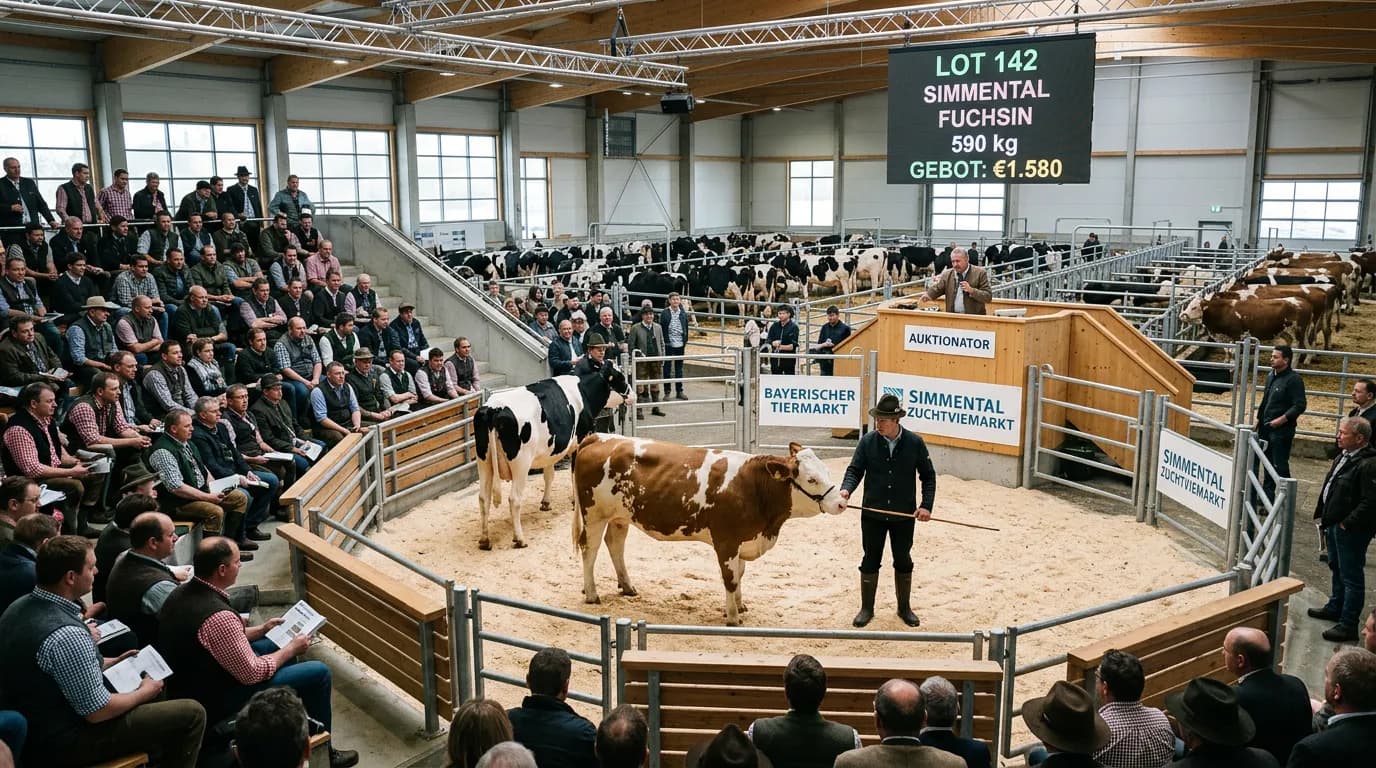
Buying Cattle From Germany: Simmental, Holstein & Sourcing Guide
A complete guide to sourcing cattle from Germany and Austria — covering key breeds, auction systems, regional differences, quality standards, export documentation, and transport routes to Italy.
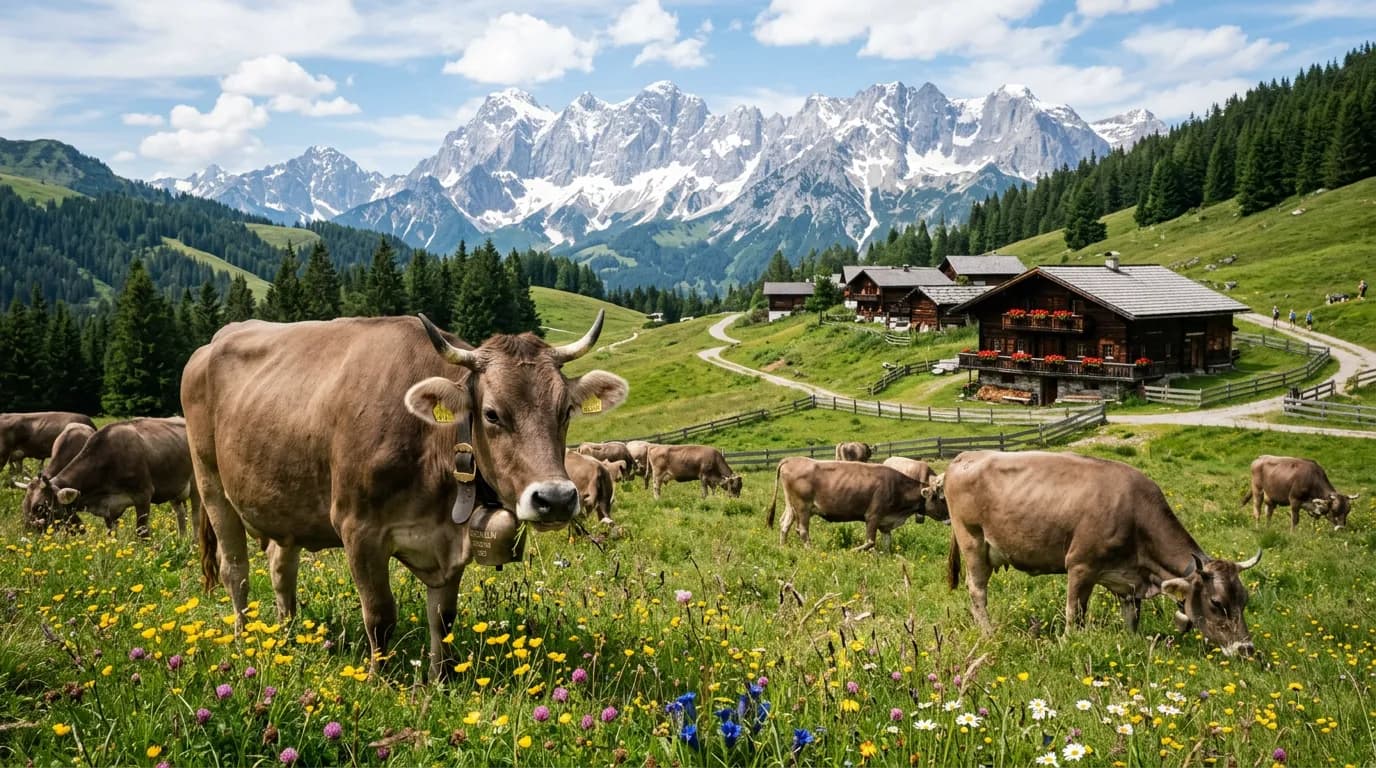
Brown Swiss Cattle Guide: Dual-Purpose Alpine Breed Profile
A complete guide to Brown Swiss cattle for professional buyers — covering dual-purpose characteristics, alpine heritage, dairy and beef performance, sourcing from Austria and Switzerland, and cross-border logistics.
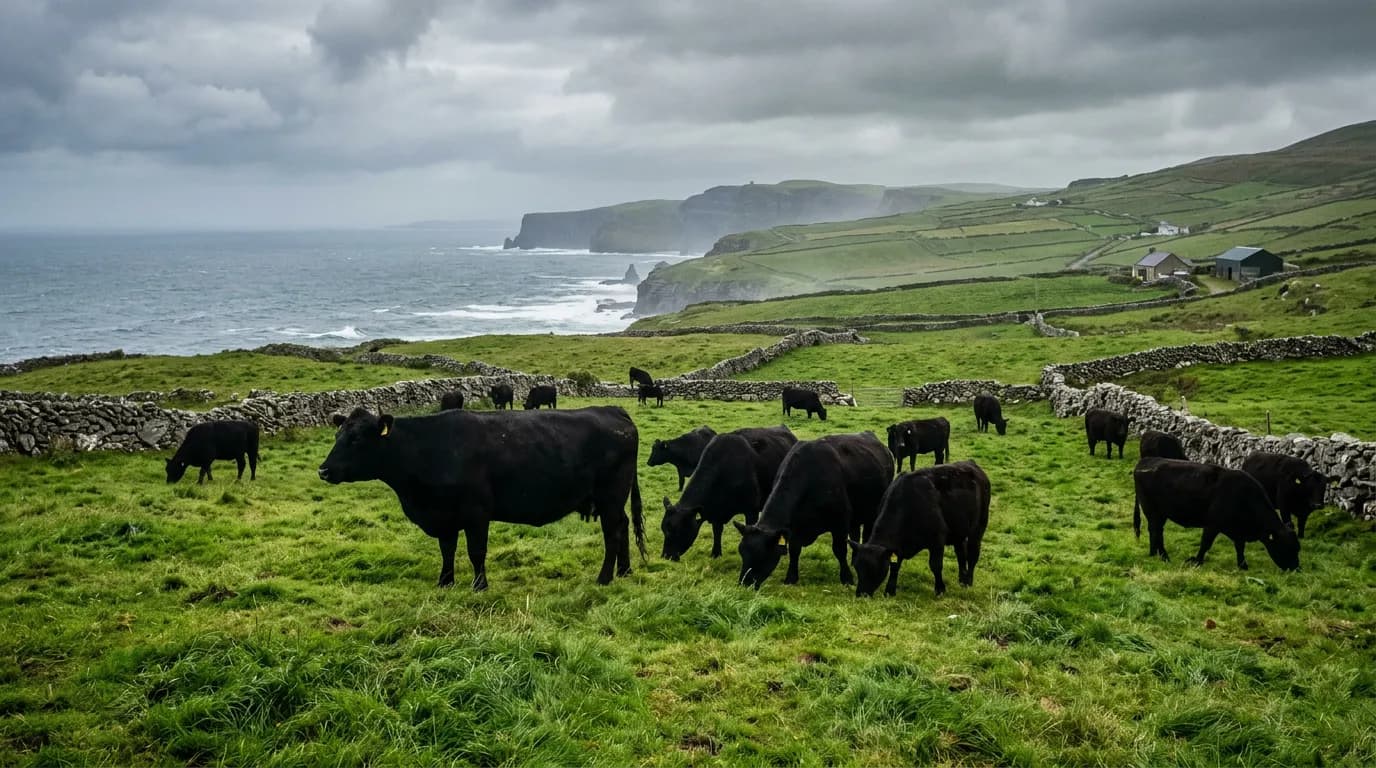
Angus Cattle Breed Guide: Quality, Sourcing & Feeding
A comprehensive guide to Angus cattle for professional buyers — covering breed traits, marbling quality, branded beef programs, Irish sourcing, and transport logistics to Italy.
Ready to Source Livestock — or List Your Stock?
Whether you are a buyer looking for specific breeds or a seller seeking reliable access to European buyers, Bovatra manages the full transaction cycle.