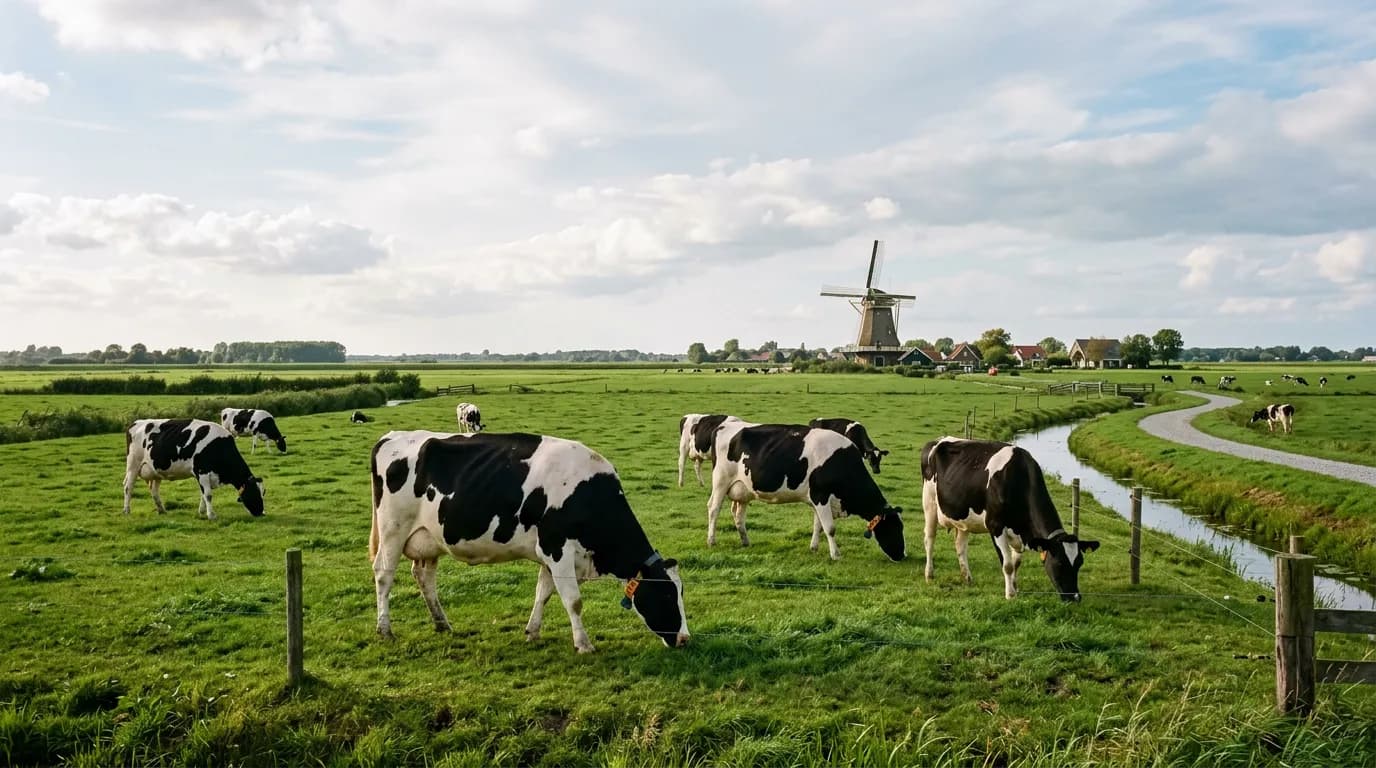
Holstein-Friesian Cattle Guide: Characteristics & Market Uses
A comprehensive guide to Holstein-Friesian cattle for professional buyers — covering dairy and beef market roles, male calf utilization, sourcing from Germany, and mixed-market procurement strategies.
Table of Contents
Introduction to Holstein-Friesian Cattle
The Holstein-Friesian is the world's most widely distributed and highest-producing dairy cattle breed, yet its role in beef markets is far more significant than many industry participants realize. Originating from the coastal lowlands of the Netherlands and northern Germany — primarily the provinces of Friesland and Holstein — this breed has become a global foundation of dairy production. However, the sheer volume of animals produced by the dairy industry means that Holstein-Friesian cattle also constitute a major supply stream for beef fattening operations across Europe.
For professional livestock buyers operating in Italy and broader European markets, Holstein-Friesian cattle represent a unique procurement opportunity. While they lack the muscular conformation of specialized beef breeds like Charolais or Limousin, they offer advantages in volume availability, price competitiveness, and year-round supply consistency. Male calves from dairy operations, crossbred progeny from dairy-beef mating programs, and cull cows all enter beef channels in substantial numbers.
This guide examines the Holstein-Friesian breed from the perspective of livestock procurement professionals — covering breed characteristics, beef market applications, male calf utilization strategies, sourcing from Germany and the Netherlands, and the economics of incorporating Holstein-Friesian cattle into a diversified fattening program.
Breed Origin and Development
The Holstein-Friesian breed traces its origins to the black-and-white pied cattle kept by Frisian tribes in what is now the Netherlands and the Schleswig-Holstein region of northern Germany. These cattle were shaped over centuries by the flat, fertile, and rain-rich coastal grasslands of the North Sea region — an environment that favored large-framed, high-capacity animals capable of converting abundant grass into milk.
The breed's formal development began in the 19th century. Dutch breeders in the province of Friesland established herd books and systematic selection programs that prioritized milk yield. Simultaneously, German breeders in Schleswig-Holstein pursued similar objectives. The two populations, while closely related genetically, developed somewhat distinct characteristics — the Dutch Friesian tending toward a more moderate frame with balanced milk composition, and the North American Holstein (derived from Dutch and German imports) being selected aggressively for peak milk volume.
By the late 20th century, the influence of North American Holstein genetics had become global. Today's European Holstein-Friesian population is largely a blend of the original European Friesian genetics with significant North American Holstein input. This has produced animals with extraordinary milk production capacity — modern Holsteins routinely produce 9,000-12,000 kg of milk per lactation — but also increased frame size and reduced muscular development compared to the original dual-purpose type.
Germany maintains one of the largest Holstein-Friesian populations in Europe, with approximately 4.2 million dairy cows, the majority of which are Holstein or Holstein-Friesian crosses. This enormous breeding population generates a correspondingly large number of male calves and surplus females that enter beef channels annually.
Physical Characteristics and Identification
Holstein-Friesian cattle are among the most instantly recognizable breeds in the world, characterized by their distinctive black-and-white pied markings. The pattern is highly variable between individuals — some animals are predominantly black with white patches, while others are largely white with black markings. A red-and-white variant also exists, produced by a recessive gene, and is increasingly recognized as a distinct color line in some registry systems.
Physically, Holstein-Friesians are large-framed, angular cattle with a dairy conformation that prioritizes capacity for feed intake and milk production over muscular development. Mature cows typically weigh 650-750 kg, while bulls range from 1,000 to 1,200 kg. The breed displays a characteristic wedge shape when viewed from the side — deeper and wider at the rear than at the front — reflecting the anatomical emphasis on udder capacity and digestive volume.
Key physical features include a relatively lean, clean-cut head, long neck, prominent withers, flat and wide loin, and angular hip structure with visible pin bones. The legs are typically long relative to body depth, and the feet are of medium size. The skin is thin and pliable, with pigmented areas corresponding to the black patches on the coat.
From a beef buyer's perspective, the Holstein-Friesian conformation presents both challenges and opportunities. The angular frame and relatively light muscling result in lower carcass yields compared to specialized beef breeds — typically 52-56% dressing percentage versus 60-65% for breeds like Charolais. However, the large frame size provides significant total carcass weight potential, and the meat quality, while leaner, is consistent and well-suited to certain market segments including processed beef and manufacturing cuts.
The Holstein-Friesian in Beef Markets
Despite being classified primarily as a dairy breed, Holstein-Friesian cattle make a substantial contribution to European beef production. In countries like Germany, the Netherlands, and Ireland, dairy-origin cattle account for 50-70% of total beef output. Understanding how Holstein-Friesian cattle fit into beef supply chains is essential for any professional buyer seeking to diversify procurement sources and manage costs effectively.
Male calves represent the largest volume category of Holstein-Friesian cattle entering beef channels. Every dairy cow produces approximately one calf per year, and roughly half are male. In Germany alone, this translates to over 2 million male dairy-breed calves born annually. Historically, many of these calves were exported as young calves for veal production in the Netherlands and Italy, but changing market dynamics and welfare regulations have shifted the emphasis toward longer fattening programs.
Holstein-Friesian steers and young bulls can be fattened to slaughter weights of 550-650 kg, producing carcasses in the 280-360 kg range. While the carcass conformation scores are typically lower than specialized beef breeds (EU SEUROP classification of O to O+), the meat is commercially viable for a wide range of applications including retail cuts, food service, and manufacturing.
Dairy-beef crossbreeding programs have emerged as a significant trend in recent years. By mating Holstein-Friesian dairy cows to beef-breed sires — typically Angus, Belgian Blue, or Limousin — producers create progeny with improved beef conformation while maintaining the volume availability of dairy-origin supply. These crossbred calves command higher prices than purebred Holstein males and achieve better carcass grades, making them increasingly attractive to fattening operators.
Cull dairy cows represent another significant beef supply category. At the end of their productive dairy careers — typically after 3-5 lactations — Holstein-Friesian cows enter beef channels. While their carcass quality is variable and generally suited to processing rather than premium retail cuts, they provide a consistent and cost-effective supply stream.
Male Calf Utilization and Fattening Programs
The utilization of Holstein-Friesian male calves is one of the most debated and evolving topics in European livestock production. For decades, these calves were viewed primarily as a byproduct of dairy production, often sold at minimal prices or, in some markets, considered an economic burden. However, shifting consumer attitudes, regulatory changes, and improved fattening economics have transformed the perception and value of dairy-origin male calves.
In modern European fattening systems, Holstein-Friesian male calves are typically managed through one of several production pathways. The first is young bull production, where intact males are fattened intensively from approximately 80-100 kg (at 2-4 weeks of age) to slaughter weights of 550-650 kg at 16-20 months. This system is common in Germany, Spain, and increasingly in Italy, and produces lean beef with relatively modest feed costs per kilogram of carcass weight.
The second pathway is steer production, where castrated males are finished on grass-based or mixed systems to heavier weights and older ages. This approach is more common in Ireland and the UK, where Holstein-Friesian steers are a staple of grassland-based beef systems. Steer production typically takes 22-28 months and produces carcasses with improved fat cover and eating quality compared to young bulls.
A third and growing pathway involves dairy-beef cross calves, produced by inseminating dairy cows with beef-breed semen. These animals combine the availability of dairy-origin supply with improved beef characteristics. Average daily gains for dairy-beef crosses typically exceed purebred Holsteins by 10-15%, and carcass conformation scores improve by one to two EU classification grades.
For Italian fattening operators, Holstein-Friesian male calves sourced from Germany represent an economically compelling option. Purchase prices are significantly lower than specialized beef breeds — often 40-60% less for equivalent-age animals — and while per-head margins may be narrower, the lower capital investment per animal can improve return on investment when managed correctly. Feed conversion is somewhat less efficient than beef breeds (FCR of 7:1 to 8.5:1), but the lower purchase price often more than compensates.
Sourcing Holstein-Friesian Cattle from Germany
Germany is one of the most important source countries for Holstein-Friesian cattle destined for beef production in southern Europe. The country's enormous dairy herd — concentrated in the northern states of Lower Saxony, Schleswig-Holstein, North Rhine-Westphalia, and Bavaria — generates a substantial and consistent surplus of male calves and young cattle suitable for fattening programs.
The German cattle marketing system is well-organized and transparent. Male dairy calves are typically marketed through livestock markets (Viehmärkte), collection centers (Sammelstellen), and direct farm purchases coordinated through regional marketing organizations. Major collection points for export calves are located in Lower Saxony and North Rhine-Westphalia, where large volumes can be assembled efficiently.
Sourcing windows for Holstein-Friesian cattle from Germany are notably more flexible than for seasonal beef breeds like Charolais. Because dairy cows calve year-round — though with some seasonal concentration in autumn and early winter — male calves are available in consistent volumes throughout the year. This year-round availability is a significant logistical advantage for fattening operators who prefer to maintain steady intake rather than seasonal batch purchasing.
Typical sourcing categories include young calves at 14-28 days of age weighing 45-60 kg for export to specialized calf-rearing facilities, weaned calves at 8-12 weeks weighing 80-120 kg for placement into growing programs, and store cattle at 6-12 months weighing 200-350 kg for finishing. The age and weight at purchase depends on the buyer's facilities, feeding program, and target market.
Quality grading of Holstein-Friesian calves in Germany follows established criteria including weight, health status, navel condition, vitality, and conformation. Animals are typically sorted into quality classes, with prices reflecting the grade. Buyers working through Bovatra benefit from pre-selection services that ensure only animals meeting specified quality standards are included in each consignment.
Mixed-Market Procurement Strategies
Sophisticated livestock buyers increasingly recognize that optimal procurement strategies involve a blend of breed types and source markets rather than reliance on a single breed or origin. Holstein-Friesian cattle play a valuable role in diversified procurement portfolios, offering complementary characteristics to specialized beef breeds.
The economic logic of mixed procurement is straightforward. Specialized beef breeds like Charolais and Limousin deliver superior carcass yields and higher per-head revenues, but they also require higher purchase prices, seasonal buying windows, and specific sourcing relationships. Holstein-Friesian cattle, by contrast, offer lower entry costs, year-round availability, and consistent volume — characteristics that can smooth cash flow, reduce procurement risk, and maintain throughput during periods of tight beef-breed supply.
A typical mixed procurement strategy for an Italian fattening operation might allocate 60-70% of intake to specialized beef breeds (Charolais, Limousin, or Blonde d'Aquitaine from France) for premium market channels, with 20-30% allocated to Holstein-Friesian or dairy-beef cross cattle from Germany for volume production and cost management. The remaining 10% might include opportunistic purchases of other breeds or categories.
From a facility management perspective, Holstein-Friesian cattle can be housed and fed alongside beef breeds, though some operators prefer to segregate by type to optimize feeding programs. Holstein-Friesian cattle generally require slightly different ration formulations — marginally higher protein levels relative to energy, and longer finishing periods — compared to fast-growing beef breeds.
Bovatra supports mixed-market procurement by maintaining active sourcing networks across multiple countries and breed types. Our ability to coordinate simultaneous procurement from France (beef breeds), Germany (Holstein-Friesian and dairy crosses), and Ireland (Angus, Hereford) enables buyers to implement diversified strategies without the complexity of managing multiple supplier relationships independently.
Health and Welfare Considerations
Holstein-Friesian cattle present a distinct health profile compared to specialized beef breeds, and buyers should be aware of these differences when incorporating dairy-origin cattle into fattening programs. Understanding breed-specific health risks enables better management decisions and reduces losses during the critical post-arrival adaptation period.
Respiratory disease remains the primary health challenge for young Holstein-Friesian cattle during and after transport. Dairy-origin calves are often sourced from multiple farms and commingled at collection centers, increasing exposure to respiratory pathogens. The stress of marketing, transport, and environmental change can trigger bovine respiratory disease (BRD) complex. Vaccination protocols — particularly against IBR, BVD, PI3, and BRSV — should be verified prior to purchase, with a minimum 2-3 week interval between vaccination and transport.
BVD (Bovine Viral Diarrhea) deserves special attention in Holstein-Friesian populations. Persistently infected (PI) animals, which shed the virus continuously, can cause significant health and economic losses in fattening operations. Germany has implemented a mandatory BVD eradication program, and all calves must be ear-notch tested at birth. Buyers should verify BVD-free status for all purchased animals.
Nutritional management during the transition period is particularly important for Holstein-Friesian cattle moving from dairy-type management to beef fattening systems. Young calves transitioning from milk replacer to solid feed require careful dietary management to avoid digestive disorders. Older cattle adjusting to high-energy finishing rations need gradual step-up programs similar to those used for beef breeds, but potentially with longer adaptation windows.
Lameness and foot health can be concerns in Holstein-Friesian cattle, as the breed is predisposed to certain hoof conditions. Housing systems with appropriate flooring, adequate bedding, and regular foot care reduce the incidence of lameness-related production losses.
All animals exported from Germany must comply with EU health certification requirements, including negative tests for tuberculosis, brucellosis, and leukosis. Bovatra ensures complete veterinary documentation and health certification for every consignment, with pre-export health screening that exceeds minimum regulatory requirements.
Economics of Holstein-Friesian Fattening
The economics of fattening Holstein-Friesian cattle differ materially from specialized beef breeds, and understanding these differences is essential for profitable operation. The key financial parameters include lower purchase cost per head, longer finishing periods, lower carcass yield, and different pricing at slaughter — all of which affect the margin equation.
Purchase prices for Holstein-Friesian male calves from Germany are substantially lower than for beef-breed equivalents. A 100 kg Holstein-Friesian calf typically costs 40-60% less than a Charolais or Limousin calf of similar age. This lower capital investment per head means reduced financial risk and lower interest costs during the fattening period.
Feed costs per kilogram of gain are somewhat higher for Holstein-Friesian cattle than for specialized beef breeds, reflecting the dairy breed's less efficient feed conversion in a beef production context. Typical feed conversion ratios of 7:1 to 8.5:1 compare unfavorably to 5.5:1 to 7:1 for Charolais. However, total feed cost per head can be managed through optimized ration formulation and appropriate target slaughter weights.
Slaughter returns for Holstein-Friesian cattle reflect lower carcass yields and conformation scores. Dressing percentages of 52-56% and EU conformation grades of O to O+ result in per-kilogram carcass prices that are typically 10-20% below those achieved by well-finished beef breeds. However, the absolute margin per head can still be positive when purchase costs are appropriately managed.
The total economic picture requires consideration of throughput and capital efficiency. A fattening operation that can purchase three Holstein-Friesian calves for the cost of two beef-breed animals may generate more total margin despite lower per-head returns. This volume-oriented approach works particularly well for operations with available capacity and efficient fixed-cost absorption.
Bovatra provides detailed cost modeling and procurement planning support to buyers evaluating Holstein-Friesian cattle as part of their fattening programs, ensuring that purchasing decisions are grounded in realistic economic analysis.
Why Consider Holstein-Friesian for Your Procurement Portfolio
Holstein-Friesian cattle may not be the first breed that comes to mind when Italian fattening operators plan their procurement strategy, but their strategic value should not be underestimated. In a market environment characterized by increasing competition for premium beef-breed animals, rising purchase prices, and periodic supply constraints, Holstein-Friesian cattle offer a practical and profitable complement to specialized beef procurement.
The breed's advantages for professional buyers center on three pillars: volume availability, price accessibility, and supply consistency. Germany's dairy industry produces millions of male calves annually, ensuring that supply is rarely constrained. Prices remain significantly below beef-breed levels, improving capital efficiency for fattening operations. And the year-round calving pattern of dairy herds means that Holstein-Friesian cattle can be sourced in any month, supporting continuous intake scheduling.
The growing prevalence of dairy-beef crossbreeding programs adds further dimension to the Holstein-Friesian sourcing opportunity. Cross calves carrying beef-breed genetics from sires like Angus, Belgian Blue, or Limousin offer improved carcass characteristics while retaining the volume and price advantages of dairy-origin supply. This hybrid category is expanding rapidly in Germany and represents an increasingly important procurement option.
For buyers who already source specialized beef breeds through Bovatra, adding Holstein-Friesian cattle to the procurement mix is operationally straightforward. Our German sourcing network covers the major dairy regions, and our logistics infrastructure supports efficient transport from northern Germany to Italian fattening facilities.
Whether you are looking to fill capacity gaps, reduce average procurement costs, or build a more resilient supply chain, Holstein-Friesian cattle merit serious evaluation. Contact Bovatra to discuss how dairy-origin cattle can fit into your specific operational context and procurement strategy.
Source Holstein-Friesian Cattle
Related Guides
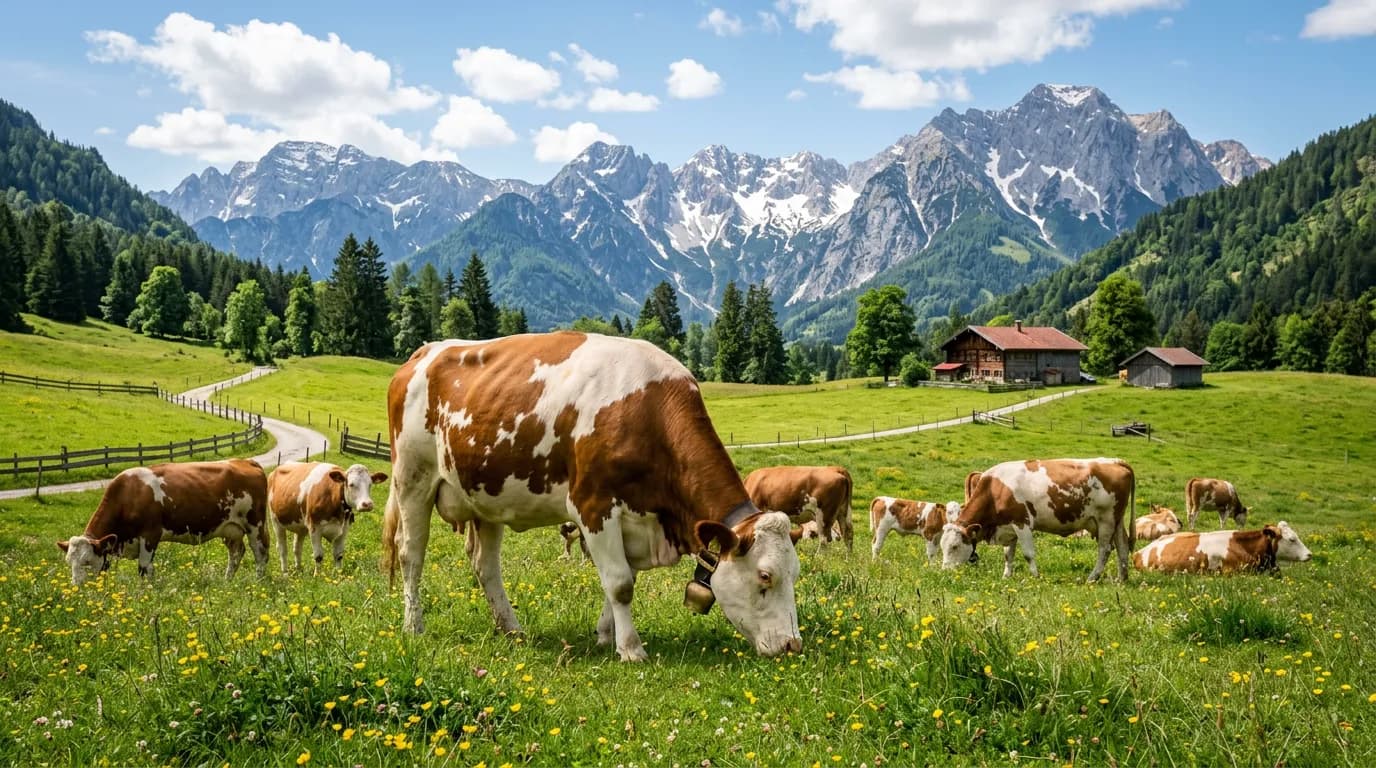
Simmental (Fleckvieh) Cattle Guide: Dual-Purpose Breed Profile
A comprehensive guide to Simmental (Fleckvieh) cattle for professional buyers — dual-purpose breed traits, fattening performance, German and Austrian sourcing, and transport logistics to Italy.
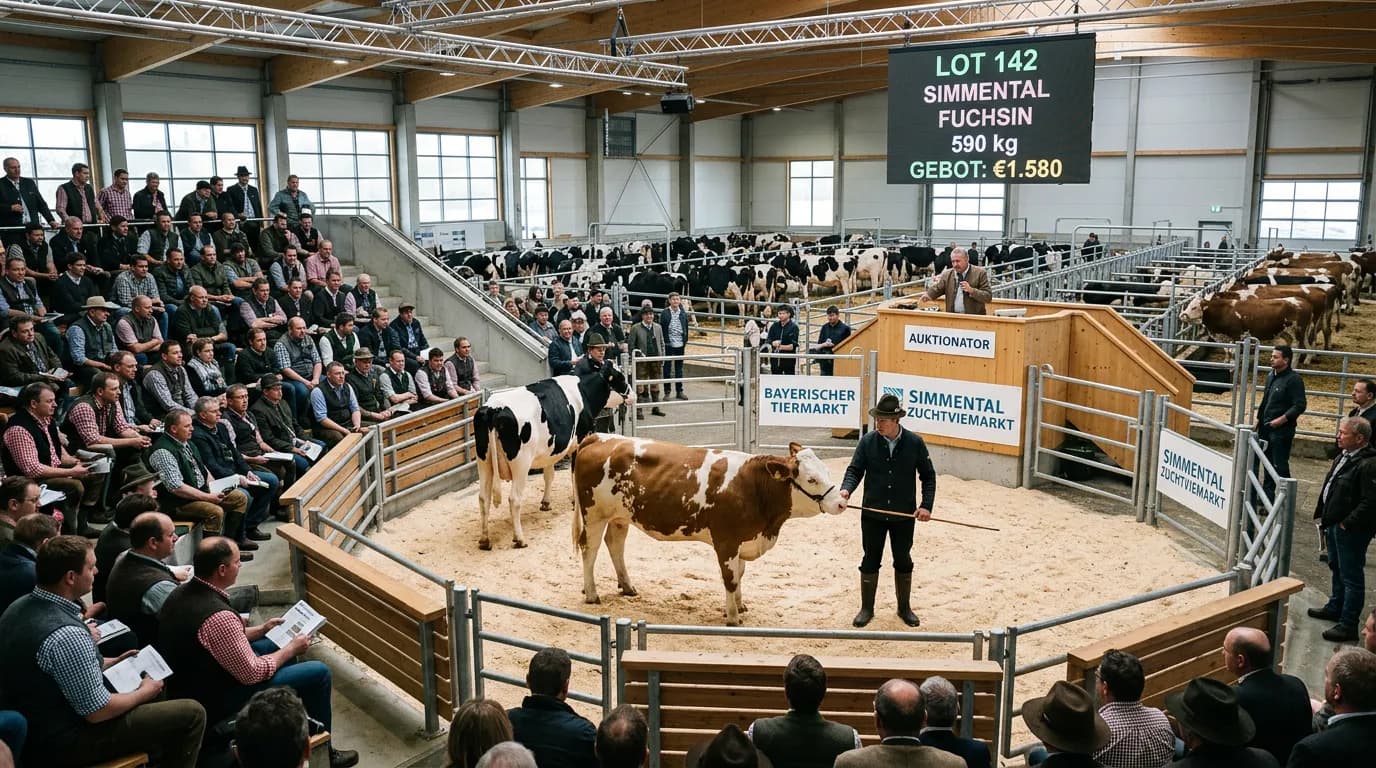
Buying Cattle From Germany: Simmental, Holstein & Sourcing Guide
A complete guide to sourcing cattle from Germany and Austria — covering key breeds, auction systems, regional differences, quality standards, export documentation, and transport routes to Italy.
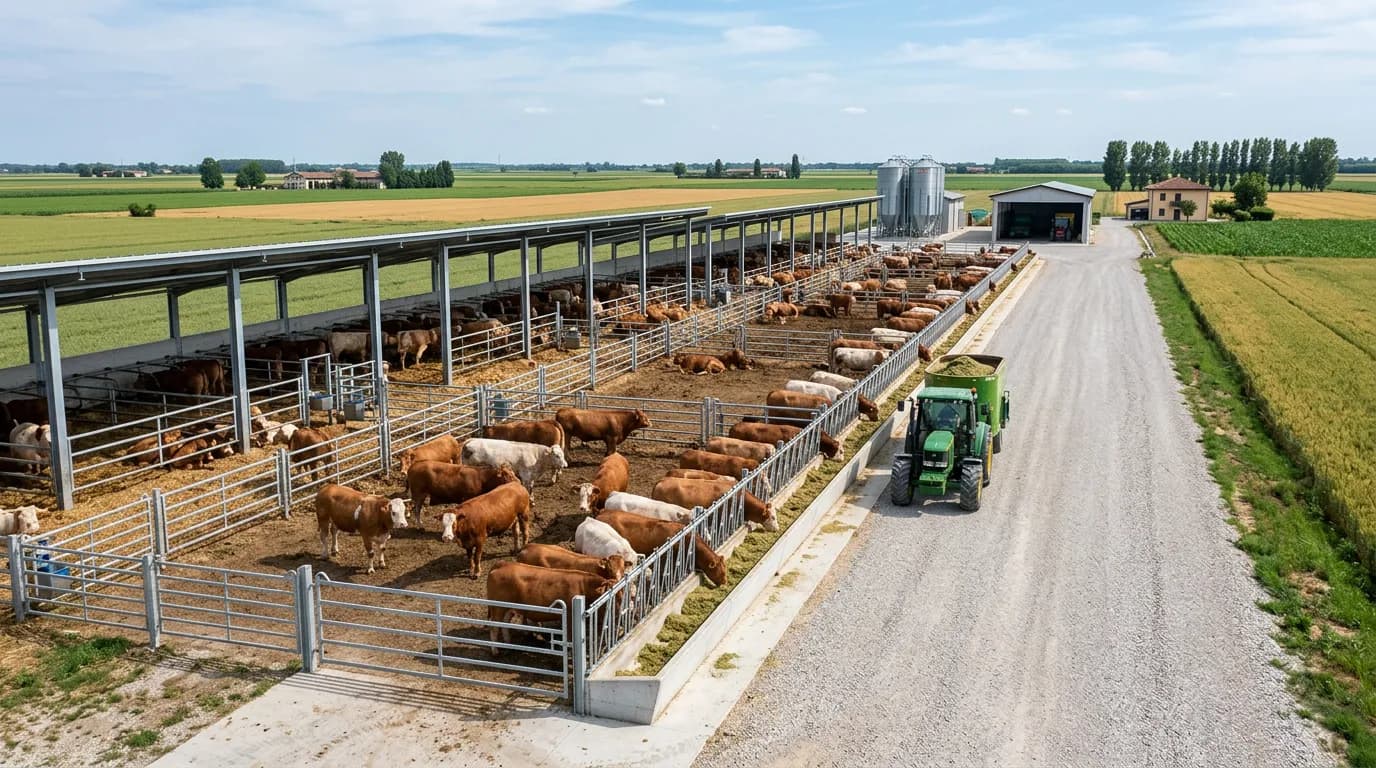
Cattle Fattening in Italy: Breeds, Systems & Best Practices
An in-depth guide to Italy's cattle fattening industry — covering major regions, system types, preferred breeds, feeding programs, vitellone production, and economic considerations for professional operators.
Ready to Source Livestock — or List Your Stock?
Whether you are a buyer looking for specific breeds or a seller seeking reliable access to European buyers, Bovatra manages the full transaction cycle.