Angus Cattle Breed Guide: Quality, Sourcing & Feeding
A comprehensive guide to Angus cattle for professional buyers — covering breed traits, marbling quality, branded beef programs, Irish sourcing, and transport logistics to Italy.
Table of Contents
Introduction to Angus Cattle
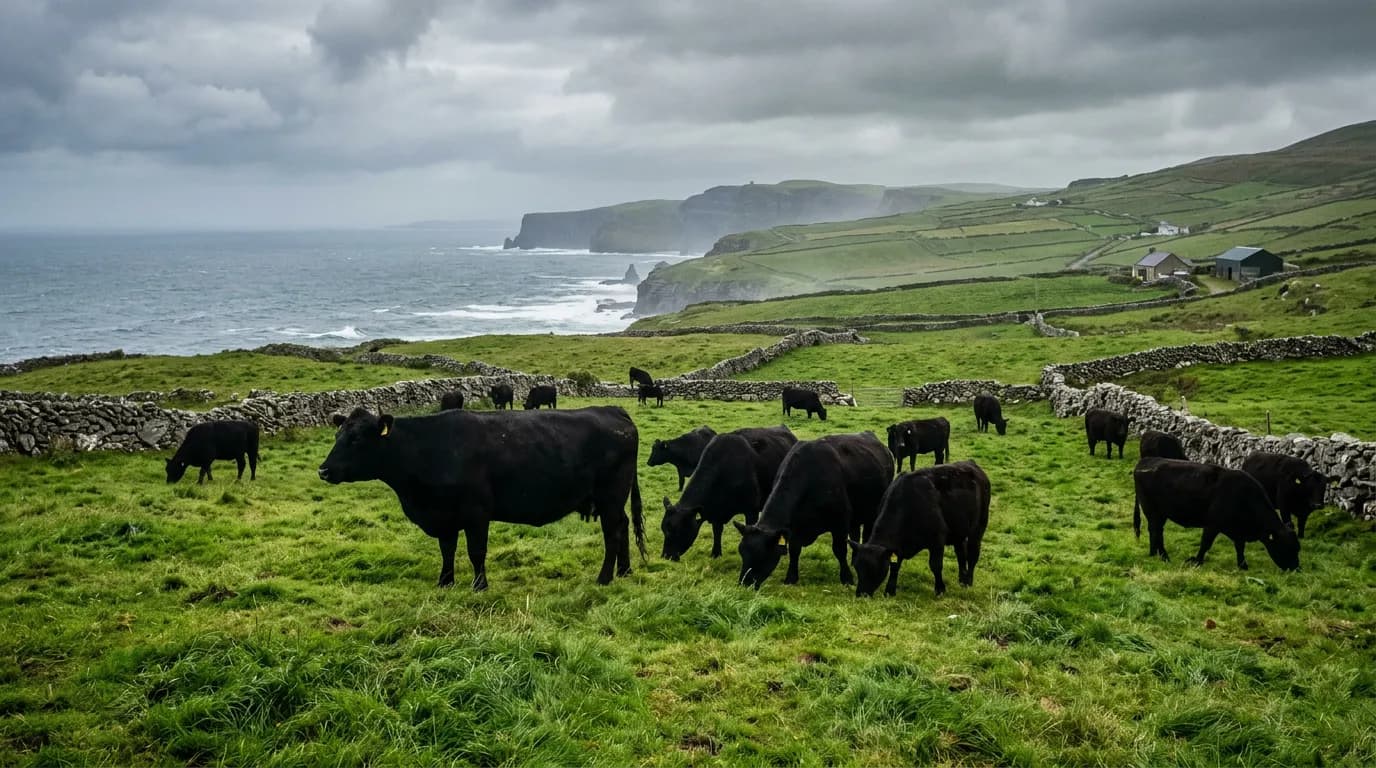
The Angus is arguably the world's most recognized beef cattle breed and a byword for premium meat quality. Originally developed in the northeast of Scotland, the breed has achieved global dominance in quality beef production, with its name synonymous with marbling, tenderness, and flavor. For professional buyers supplying Italian fattening and finishing operations, Angus cattle — particularly those sourced from Ireland — offer a distinct market positioning opportunity built on the breed's unrivaled quality reputation.
What sets the Angus apart from other beef breeds is its combination of meat quality genetics, moderate frame size, early maturity, and exceptional adaptability. The breed thrives in grass-based production systems, which aligns perfectly with the pasture-reared origins of Irish cattle entering the European trade. This grass-fed heritage, combined with the Angus breed's inherent eating quality, creates a product story that resonates strongly with quality-conscious consumers and premium retail programs.
This guide provides professional livestock buyers with a thorough understanding of the Angus breed: its Scottish origins, physical characteristics, meat quality attributes, growth performance, feeding strategies, health profile, Irish sourcing dynamics, transport logistics, and market positioning. Whether you are established in Angus procurement or evaluating the breed for the first time, this guide delivers the practical knowledge needed for informed sourcing decisions.
Breed Origin and History
Angus cattle — formally Aberdeen Angus — originate from the counties of Aberdeenshire and Angus (formerly Forfarshire) in northeast Scotland. The breed was developed in the late 18th and early 19th centuries through the work of pioneering breeders, most notably Hugh Watson of Keillor and William McCombie of Tillyfour. These early breeders combined the best local polled (hornless) black cattle into a uniform, highly productive beef breed.
The Aberdeen Angus herd book was established in 1862, formalizing a breed that had already gained recognition for its meat quality and efficient beef production. The breed was exported to the Americas in the 1870s and quickly established itself as a foundation of quality beef production in the United States, Argentina, Brazil, and other major cattle-producing nations.
In Ireland, Angus cattle have been present since the mid-19th century and have become deeply integrated into the national cattle herd. Ireland's temperate maritime climate, abundant rainfall, and lush grasslands provide ideal conditions for Angus production. The Irish Angus herd has grown significantly over recent decades, driven by both domestic demand for quality beef and the breed's suitability for Ireland's predominantly grass-based production systems.
Today, Ireland is one of Europe's most important sources of quality Angus cattle for international buyers. The combination of Ireland's grass-fed production heritage, strong animal identification and traceability systems, and the breed's inherent quality attributes makes Irish Angus cattle a premium product in the European livestock trade. Ireland's national Angus population includes both pedigree and commercial herds, providing a broad supply base that supports consistent procurement for international buyers.
Physical Characteristics and Conformation
Angus cattle are characterized by their solid black coat (though Red Angus is also recognized as a separate breed in some countries), naturally polled (hornless) head, and compact, well-muscled conformation. The absence of horns is one of the breed's most distinctive features and a significant practical advantage — polled cattle are safer to handle, cause fewer injuries to pen mates, and are easier to manage in confined housing.
The breed presents a moderate frame size compared to continental European breeds. Mature Angus bulls typically weigh 850 to 1,100 kg, while cows range from 550 to 700 kg. This moderate size reflects the breed's earlier maturity pattern — Angus cattle reach physiological maturity and optimal carcass composition at lighter weights and younger ages than larger-framed continental breeds.
Conformation is compact and blocky, with a deep body, well-sprung ribs, broad back, and heavily muscled hindquarters relative to frame size. The chest is wide and deep, the shoulders smooth and well-integrated with the body, and the topline level and strong. The breed's short, sturdy legs and sound feet contribute to excellent mobility and structural longevity.
For buyers evaluating Angus cattle, key assessment points include overall body depth and width, muscling through the loin and hindquarter, structural soundness, skin and coat quality, and breed character (black coat, polled head, masculine or feminine appearance appropriate to sex). Animals should display a smooth, well-balanced conformation without excessive fat cover or coarseness. The breed's moderate frame means that buyers should adjust weight expectations compared to larger continental breeds — quality rather than absolute size defines the Angus proposition.
Meat Quality and Marbling
Meat quality is the Angus breed's defining commercial advantage and the primary reason for its global premium positioning. Angus cattle have been genetically selected for intramuscular fat deposition (marbling) for over a century, and this consistent selection has produced a breed with an unmatched genetic predisposition for eating quality.
Marbling — the fine distribution of fat within the muscle tissue — is the single most important factor determining beef tenderness, juiciness, and flavor. Angus cattle consistently achieve higher marbling scores than virtually all other beef breeds under comparable feeding conditions. In formal meat quality assessments, Angus beef regularly outperforms continental breeds in sensory evaluations for tenderness, flavor intensity, and overall acceptability.
The biochemistry behind Angus meat quality involves several factors. The breed's early maturity pattern means that intramuscular fat deposition begins at a relatively young age, allowing marbling to develop throughout the muscle during the finishing phase. The fatty acid composition of Angus intramuscular fat tends to include a higher proportion of oleic acid (a monounsaturated fatty acid), which contributes to a lower melting point and more favorable sensory characteristics — the fat literally melts in the mouth.
For Italian markets, Angus meat quality opens access to premium retail and foodservice segments that are willing to pay above-market prices for documented quality. Branded Angus beef programs, both international (such as Certified Angus Beef) and regional, have established strong consumer recognition and demand. Italian retailers and high-end restaurants increasingly seek Angus-breed beef to differentiate their offerings and command premium pricing.
The quality advantage extends beyond fresh beef. Angus beef is highly valued in aged beef programs (both dry-aged and wet-aged), where the marbling content supports superior flavor development and moisture retention during the aging process. This versatility makes Angus cattle a particularly attractive option for buyers serving diverse market channels.
Growth Performance and Finishing Characteristics
Angus cattle display a growth pattern that reflects their early-maturing nature. While absolute daily weight gains may be lower than those achieved by larger continental breeds, Angus cattle reach their optimal carcass composition earlier, allowing for shorter finishing periods and lower total feed costs per animal in many systems.
Under typical European finishing conditions, Angus steers and young bulls achieve average daily gains (ADG) of 1.0 to 1.3 kg per day. Feed conversion ratios (FCR) typically range from 6.0:1 to 8.0:1 (kg feed per kg gain). These figures reflect the breed's moderate growth rate and its tendency to partition more energy toward fat deposition — including the commercially valuable intramuscular fat — at relatively younger ages.
Carcass yield for Angus cattle typically ranges from 55 to 60% dressing percentage, which is somewhat lower than specialist continental beef breeds. However, the value per kilogram of Angus carcass is typically higher due to superior grading and the premium commanded by Angus-branded beef in retail and foodservice markets. When total carcass value (rather than carcass weight alone) is considered, Angus cattle can deliver competitive or superior returns per head.
For Italian operations, Angus cattle are typically sourced from Ireland at 8-14 months of age weighing 300-400 kg and finished to slaughter weights of 550-650 kg over a 4-6 month period. Key performance benchmarks include: birth weight of 32-38 kg, weaning weight of 240-300 kg at 7-8 months, finishing weight of 550-650 kg at 14-20 months, and carcass weight of 300-380 kg. The lighter finishing weights compared to continental breeds should be factored into procurement planning and facility throughput calculations.
Feeding and Nutrition Strategies
Feeding Angus cattle requires an approach that accounts for the breed's earlier maturity pattern, natural tendency toward fat deposition, and the objective of maximizing marbling while avoiding excessive external fat. The nutritional strategy for Angus is fundamentally different from that used for late-maturing continental breeds and should be calibrated accordingly.
In Italian finishing systems, Angus cattle are typically fed a total mixed ration (TMR) with a moderate energy density that supports steady growth without pushing animals to excessive fat cover. A typical ration consists of approximately 45-55% maize silage, 20-30% concentrate mix (barley, maize grain), 10-15% protein source (soybean meal, rapeseed meal), and 3-5% mineral-vitamin premix. Target dry matter intake is typically 2.2-2.6% of body weight per day.
Energy management is the critical factor in Angus finishing programs. Because the breed deposits intramuscular and subcutaneous fat relatively early in the growth curve, rations must be formulated to provide sufficient energy for marbling development while avoiding excessive external fat. Energy density should target 10.5-11.5 MJ metabolizable energy per kg dry matter — slightly lower than for late-maturing continental breeds to prevent over-conditioning.
Protein levels in Angus finishing rations should be maintained at 12-13% crude protein on a dry matter basis. Higher protein levels in the early finishing phase (first 8-12 weeks) support lean tissue growth, while moderate protein in the final finishing phase allows energy partitioning toward marbling.
The transition period for Irish Angus cattle arriving in Italy is particularly important. These animals typically come from grass-based systems and may have had limited prior exposure to concentrate feeds. A gradual 3-4 week adaptation program is essential, starting with high-quality hay and gradually introducing the finishing ration to avoid digestive disorders and ensure smooth metabolic adaptation.
Water intake for Angus cattle in finishing systems ranges from 35-55 liters per day depending on body weight and ambient conditions. Adequate clean water access supports both feed intake and the metabolic processes associated with fat deposition.
Health Considerations for Buyers
Angus cattle are generally hardy and well-adapted to temperate climatic conditions, with a robust constitution that supports good health in well-managed systems. However, several health factors are particularly relevant for buyers sourcing Angus cattle from Ireland for fattening in Italy.
Respiratory disease is a primary concern during and after transport, as with all cattle breeds undergoing cross-border movement. The transition from Ireland's mild, humid maritime climate to the drier continental conditions of northern Italy can stress the respiratory system, particularly during autumn and winter months. Pre-transport vaccination against IBR, BVD, PI3, and BRSV is essential, ideally completed 2-3 weeks before shipment.
Irish cattle may carry a higher liver fluke burden than animals from other European origins due to Ireland's wet climate, which provides ideal conditions for the fluke's intermediate host (mud snails). Systematic fluke treatment before transport and follow-up monitoring during the adaptation period are important elements of the health management protocol for Irish Angus.
The breed's naturally polled character eliminates horn-related injuries, which is a meaningful advantage in group housing situations. Dehorning wounds, stress, and associated infections are completely avoided, reducing both animal welfare concerns and veterinary costs.
Angus cattle from Ireland benefit from one of the EU's most comprehensive animal health and traceability systems. Ireland's bovine TB eradication program, BVD eradication scheme, and mandatory individual animal identification (including electronic ear tags) provide strong health assurances for buyers. All exported animals must meet EU health certification requirements, and Ireland's disease monitoring programs often exceed the minimum EU standards.
Bovatra manages all health documentation, TRACES notification, and veterinary certification processes for Irish Angus shipments, ensuring complete regulatory compliance.
Irish Sourcing and the Grass-Fed Advantage
Ireland is the primary European source for quality Angus cattle in the cross-border trade, and for good reason. The country's natural endowments — a temperate maritime climate with abundant rainfall, rich soils, and a grass-growing season that extends from March to November — create ideal conditions for producing well-grown, healthy cattle on a predominantly pasture-based diet.
The Irish grass-fed production model has significant implications for the quality and character of Angus cattle entering the trade. Animals raised on grass develop a different muscle fiber profile, fatty acid composition, and overall constitution compared to those raised in confinement systems. Research has consistently shown that grass-fed cattle produce beef with higher levels of omega-3 fatty acids, conjugated linoleic acid (CLA), and beta-carotene — attributes that align with growing consumer demand for naturally produced, health-beneficial foods.
Irish Angus cattle are sourced through several channels: livestock marts (auction markets), direct farm purchases, and organized marketing groups. Major mart centers handling significant Angus volumes include those at Kilkenny, Tullamore, Roscommon, Elphin, and Bandon. Marketing groups such as those affiliated with the Irish Angus Cattle Society provide additional access to quality-assured lots.
The Irish cattle marketing calendar is strongly seasonal, reflecting the country's grass-based production cycle. The primary marketing season for weanlings (6-10 months) runs from September through November, when spring-born calves are weaned off pasture. Store cattle (12-18 months) become available from January through spring. Buyers should plan procurement timing around these seasonal patterns to access the best selection and pricing.
Typical purchase specifications for Italian operations include weanling bulls aged 6-10 months weighing 250-350 kg and store cattle aged 10-16 months weighing 350-450 kg. Bovatra's Irish sourcing network provides access to quality Angus cattle across all weight and age categories, with the ability to consolidate purchases from multiple sources into uniform shipments.
Transport and Logistics to Italy
Transporting Angus cattle from Ireland to Italy involves a multimodal journey combining road and sea transport. The typical routing involves road transport from the farm or mart to an Irish port (usually Dublin or Rosslare), ferry crossing to mainland Europe (typically to Cherbourg in France or directly to continental ports), and onward road transport through France to northern Italy.
The total journey distance from Ireland to northern Italy is approximately 1,800-2,200 km, with total transit times including the ferry crossing ranging from 36 to 60 hours depending on the route chosen. These longer journey times require careful planning to ensure compliance with EU Council Regulation (EC) No 1/2005, including mandatory rest stops at approved control posts, access to water and feed during the journey, and appropriate vehicle specifications for extended travel.
Angus cattle are generally good travelers, with a calm temperament that reduces stress and injury risk during transit. Their moderate frame size means that loading density can be optimized within EU space requirements (1.2-1.5 m² per animal depending on weight), and their polled heads eliminate the risk of horn-related injuries during transport.
The documentation requirements for Ireland-to-Italy cattle movements include TRACES notification, official health certificates issued by Ireland's Department of Agriculture, Food and the Marine (DAFM), transport authorization, journey logs, and export health certification. The paperwork requirements for multimodal transport are more complex than for direct road movements, requiring coordination between Irish veterinary authorities, shipping companies, and continental transit arrangements.
Bovatra manages the complete logistics chain for Irish Angus shipments, from farm collection in Ireland through to delivery at the buyer's facility in Italy. Our logistics team coordinates all transport segments, documentation, and regulatory compliance to ensure seamless, welfare-compliant delivery.
Why Choose Angus for Italian Fattening Operations
Angus cattle offer Italian fattening operations a distinctive market positioning opportunity that is fundamentally different from the volume-and-yield proposition of continental breeds. Where Charolais and Limousin compete on carcass weight and lean meat volume, Angus competes on eating quality, brand recognition, and premium market access.
The breed's primary value proposition for Italian buyers is access to the premium beef segment. As Italian consumers become increasingly quality-conscious and willing to pay for documented eating quality, Angus-breed beef — with its inherent marbling and tenderness — commands prices that can significantly exceed those of standard young beef. This premium typically ranges from 10-25% above equivalent-grade continental beef, depending on the specific market channel and brand program.
Angus cattle also fit well within the growing trend toward product differentiation in the Italian beef market. High-end restaurants, specialty butchers, and premium retail programs actively seek Angus beef to distinguish their offerings. The breed's name carries immediate consumer recognition, reducing the marketing effort needed to justify premium pricing.
The Irish grass-fed origin adds a compelling sustainability and quality narrative. In an era of increasing consumer interest in how food is produced, the story of Angus cattle raised on Irish pastures — then carefully finished in Italian systems — combines the best of two traditions and resonates with values-driven purchasing behavior.
From an operational perspective, Angus cattle offer manageable temperament, good health during finishing, and a straightforward feeding program. Their earlier maturity allows for shorter finishing periods, which can improve facility throughput in operations managing multiple batches.
For buyers seeking to add a premium product line to their portfolio or to diversify away from exclusive reliance on continental breeds, Angus cattle represent an attractive and commercially proven option. Contact Bovatra to explore Irish Angus sourcing opportunities and receive pricing and availability information tailored to your requirements.
Source Angus Cattle
Related Guides
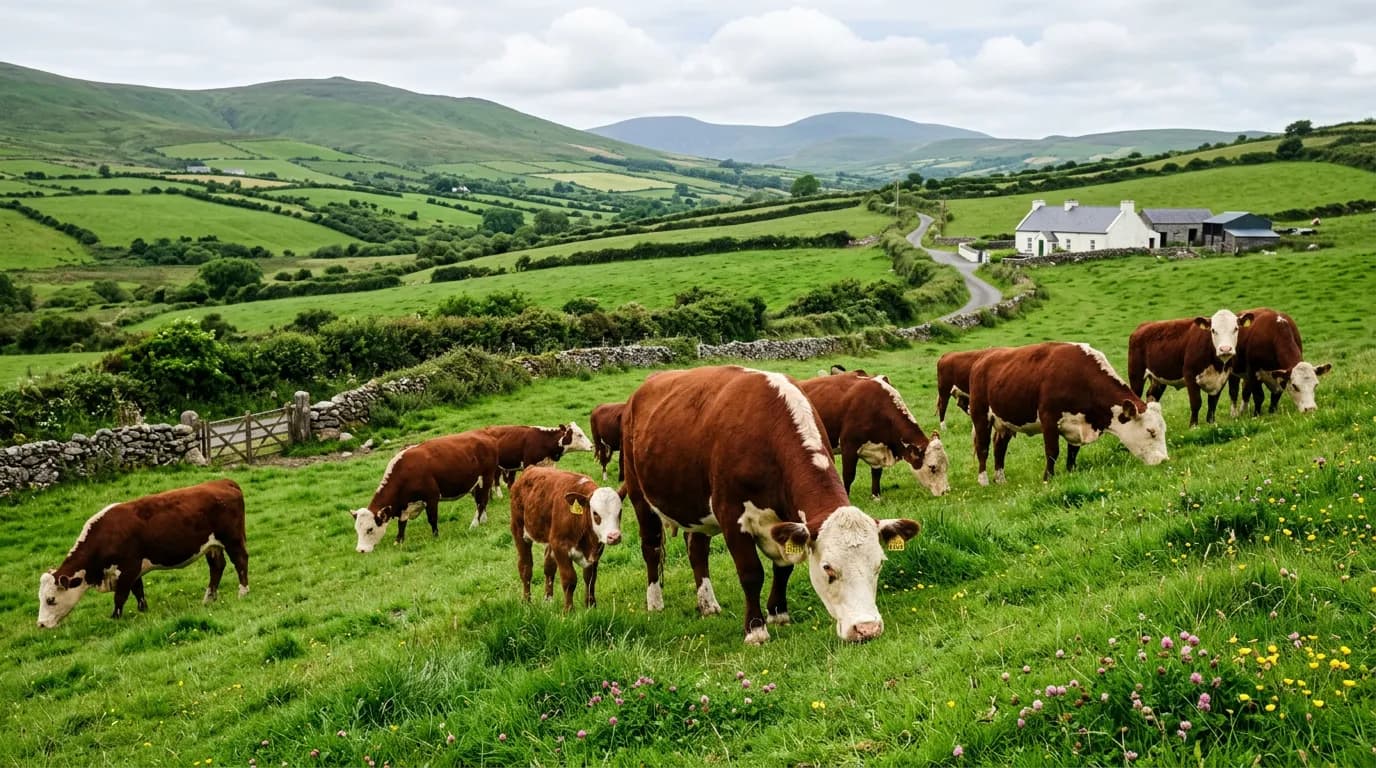
Hereford Cattle Breed Guide: Hardy Performance & Sourcing
A complete guide to Hereford cattle for professional buyers — covering breed characteristics, grass-based performance, beef quality, Irish sourcing, and cross-border procurement for Italian fattening operations.
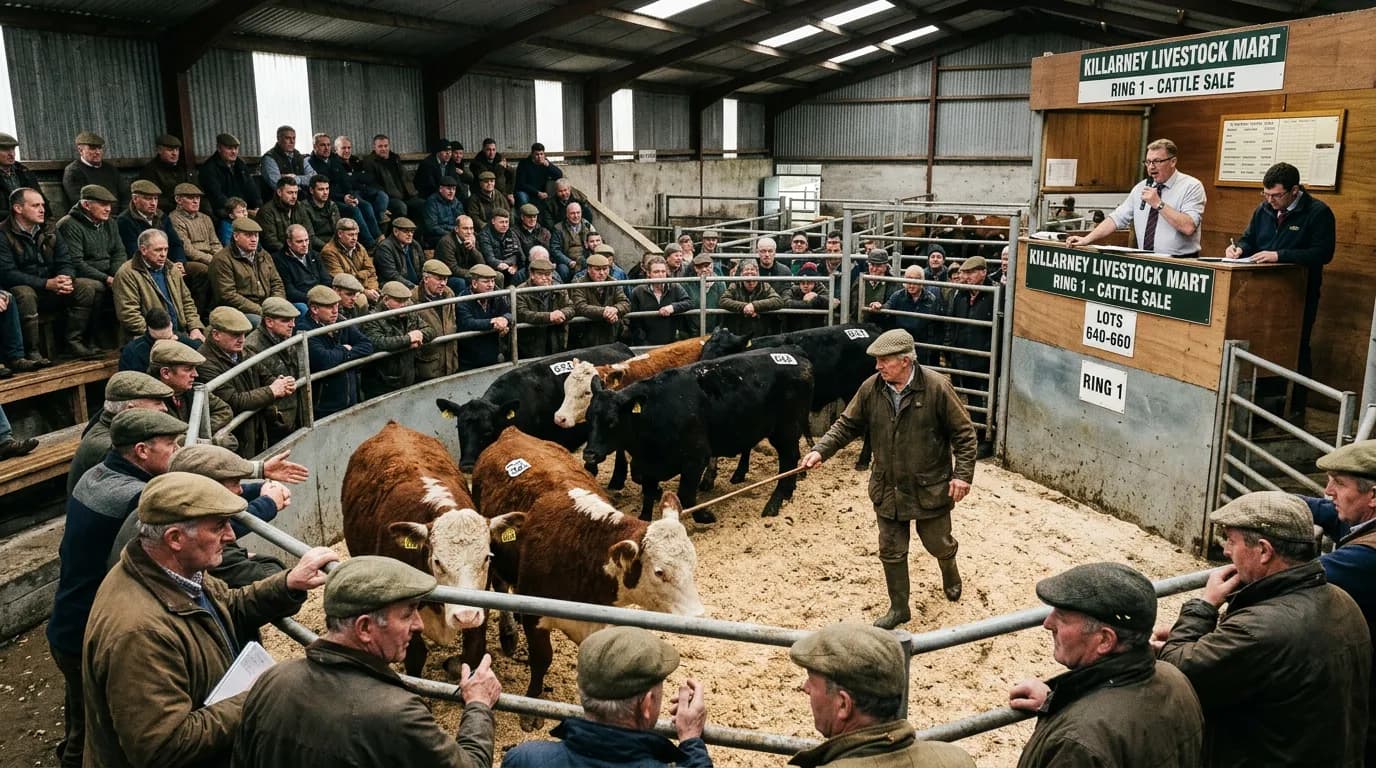
Buying Cattle From Ireland: Angus, Hereford & Export Guide
A detailed guide to sourcing cattle from Ireland — covering grass-based production, key breeds, purchasing through marts, quality assurance, export logistics, and transport to Italy.
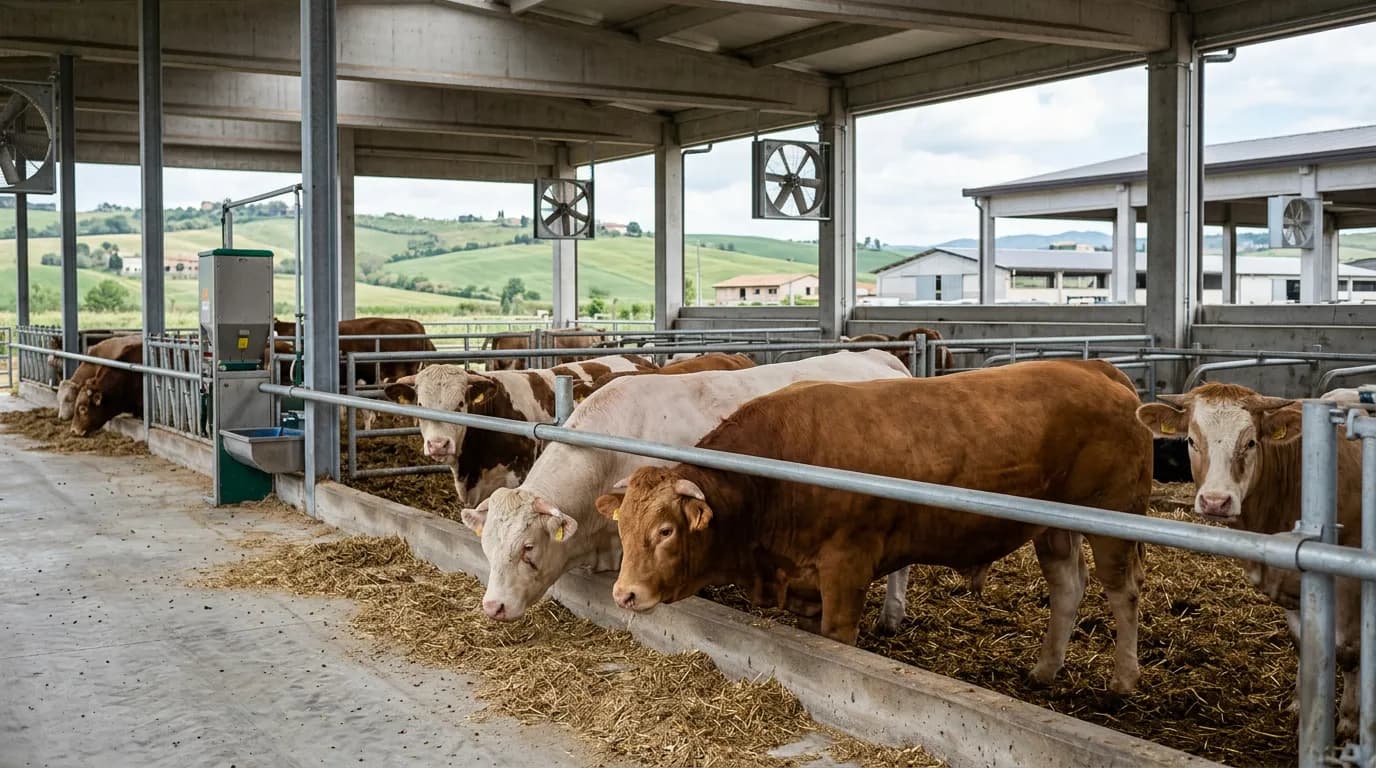
How to Choose the Right Cattle Breed for Fattening in Italy
A practical decision guide for Italian fattening operations — comparing breeds by growth rate, feed efficiency, carcass yield, and market premiums to help you choose the right cattle for your system.
Ready to Source Livestock — or List Your Stock?
Whether you are a buyer looking for specific breeds or a seller seeking reliable access to European buyers, Bovatra manages the full transaction cycle.