Livestock Health Certificates in the EU: Requirements & Process
A detailed guide to EU health certificate requirements for intra-community cattle trade — covering veterinary inspections, disease testing, quarantine periods, and common rejection reasons.
Table of Contents
Introduction to EU Livestock Health Certificates
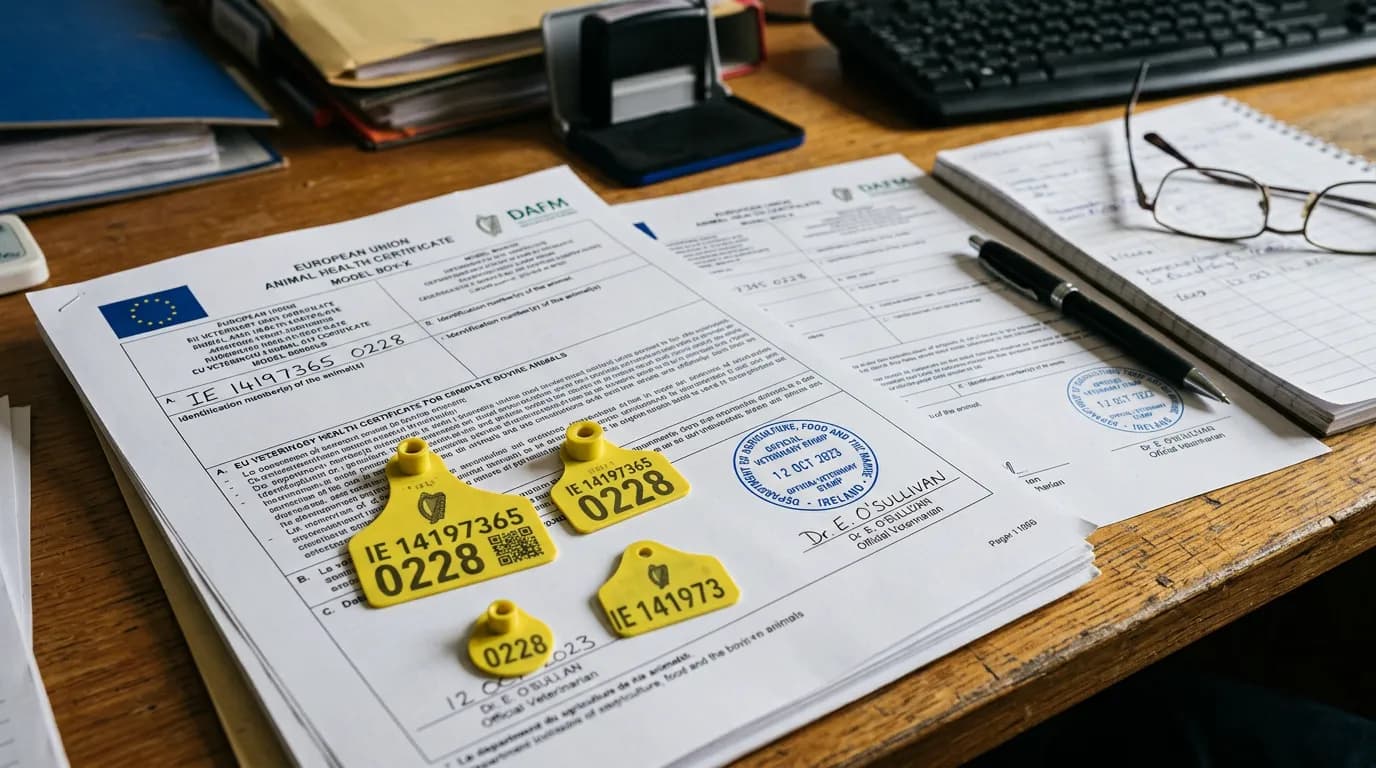
Health certificates are the cornerstone of the EU's animal health framework for intra-community trade. Every consignment of live cattle moving between EU Member States must be accompanied by an official health certificate — a legal document that attests to the health status of the animals and confirms their compliance with EU animal health requirements. Without a valid health certificate, cattle cannot legally cross an internal EU border.
The health certification system serves a dual purpose. First, it protects the animal health status of destination countries by ensuring that only healthy, tested, and properly identified animals enter from other Member States. Second, it provides a documented chain of assurance that enables rapid traceability in the event of a disease outbreak. This system has been instrumental in maintaining the EU's high standards of animal health and in controlling the spread of notifiable diseases across borders.
For professional livestock buyers and traders, the health certification process is a critical element of every transaction. Understanding what is required, how to prepare animals for certification, and how to navigate the administrative process efficiently can mean the difference between a smooth delivery and a costly delay. This guide covers the complete health certification process for intra-community cattle trade, with a focus on the practical requirements that buyers and sellers encounter in the France-to-Italy and Ireland-to-Italy trade corridors that Bovatra specializes in.
Types of Health Certificates for Cattle
The EU health certification framework for cattle includes several certificate types, each designed for specific trade scenarios.
The intra-community health certificate (INTRA) is the standard document for movements of live cattle between EU Member States. Since the implementation of the TRACES system, this certificate is generated and managed electronically, though a printed copy must accompany the animals during transport. The INTRA certificate covers the animal identification details, health attestations, test results, and the official veterinarian's certification that all EU requirements have been met.
For imports from third countries — most notably the United Kingdom post-Brexit — a Common Health Entry Document (CHED) is required. This document is processed at the Border Control Post where the animals enter the EU and involves a more extensive set of checks including physical inspection, identity verification, and documentary review. The health requirements for third-country imports are generally more stringent than for intra-community trade.
Export health certificates are required for cattle leaving the EU to non-EU destinations. These certificates must meet the requirements of the importing country and are often negotiated bilaterally between the EU and the destination country's veterinary authorities.
For the vast majority of cattle traded between EU Member States — which forms the core of Bovatra's operations — the INTRA health certificate is the relevant document. This certificate is standardized across all Member States, ensuring that the same health requirements apply regardless of the specific origin-destination combination within the EU.
The Role of the Official Veterinarian
The official veterinarian (OV) is the central figure in the health certification process. Only an OV — a veterinarian appointed by and acting on behalf of the competent authority — has the legal authority to certify an intra-community health certificate. Private veterinarians, regardless of their qualifications, cannot issue or sign official health certificates for trade purposes.
The OV's responsibilities in the certification process are extensive. Before signing a health certificate, the OV must conduct a clinical inspection of all animals in the consignment within 24 hours of the scheduled departure time. This inspection confirms that the animals show no clinical signs of disease, are properly identified with official ear tags, are fit for the intended journey, and meet all specific health requirements applicable to the trade route.
The clinical inspection involves a systematic visual and, where necessary, physical examination of each animal. The OV assesses the animals' general condition, body temperature if indicated, respiratory status, condition of the skin and coat, limb soundness, and any signs of infectious or contagious disease. Animals showing clinical signs of illness or injury that would render them unfit for transport cannot be certified.
Beyond the clinical inspection, the OV is responsible for verifying the documentary evidence of disease testing, vaccination records, holding registration status, and compliance with any regional or national health requirements that supplement the EU baseline. The OV must also verify that the holding of origin is not under any official movement restrictions due to disease outbreaks or suspicions.
In France, official veterinary services are organized under the Direction Departementale de la Protection des Populations (DDPP), and individual OVs are appointed to serve specific geographic areas. In Ireland, the Department of Agriculture, Food and the Marine (DAFM) manages the official veterinary service. Scheduling OV inspections in advance — particularly during peak trading seasons — is essential to avoid delays.
Disease Testing Requirements
Disease testing is the most technically complex and time-sensitive element of the health certification process. The EU requires specific testing for several diseases before cattle can be certified for intra-community movement, and the testing protocols, validity periods, and acceptable results are precisely defined in legislation.
Tuberculosis (TB) testing is mandatory for all cattle over six weeks of age moving in intra-community trade from holdings that are not officially TB-free (OTF). The standard test is the single intradermal tuberculin test (SITT) or the single intradermal comparative tuberculin test (SICTT), performed by injection of tuberculin into the skin of the neck or caudal fold. The test must be read 72 hours after injection, and negative results are valid for 30 days from the reading date for trade purposes. In Member States or regions with OTF status — including most of France — individual pre-movement TB testing may be waived, though herd-level surveillance requirements must still be met.
Brucellosis testing requires a serological blood test using an approved method — typically the Rose Bengal test (RBT) as a screening test, with confirmation by complement fixation test (CFT) or ELISA if needed. Cattle must test negative within 30 days of departure. Holdings with officially brucellosis-free (OBF) status may be exempt from individual pre-movement testing, provided the holding's status is current and validated.
Enzootic Bovine Leukosis (EBL) testing may be required depending on the disease status of the origin holding and region. The test is a serological assay (ELISA or agar gel immunodiffusion) on a blood sample. Holdings with officially EBL-free status are generally exempt from individual pre-movement testing.
Bovine Viral Diarrhoea (BVD) testing and status requirements vary between Member States. Some countries require evidence that animals are not persistently infected (PI) with BVD virus, typically demonstrated through ear-notch tissue testing at birth or blood/serum antigen testing. Italy has been progressively implementing BVD control programs, and buyers should be aware of the specific BVD requirements applicable in their region.
Blueprint disease (Bluetongue) requirements depend on the seasonal vector activity period and the bluetongue status of origin and destination zones. During the vector-active season (typically April-November), additional testing or vaccination against specific bluetongue serotypes may be required. These requirements can change rapidly in response to new outbreaks and are monitored closely by Bovatra's documentation team.
Quarantine and Isolation Periods
Before cattle can be certified for intra-community movement, they must typically complete a mandatory residency or isolation period at the holding of origin. This requirement ensures that animals have been under consistent veterinary supervision and that any latent infections would have had time to become clinically apparent or detectable through testing.
The standard residency requirement under EU legislation is a minimum of 30 days on the holding of dispatch before the date of departure. During this period, no cattle of lesser health status may be introduced to the holding, and the holding must not be under any official disease-related movement restrictions. If the animals are younger than 30 days, they must have been on the holding since birth.
For holdings that serve as assembly centers — collecting animals from multiple sources before dispatch — specific approval requirements apply. Approved assembly centers must meet enhanced biosecurity standards, operate under direct veterinary supervision, and comply with strict protocols for the mixing and holding of animals from different origins. Animals passing through an assembly center typically must not remain for more than 6 days (for intra-community trade), and the center must maintain detailed records of all animal movements.
Upon arrival at the destination in Italy, there is often a practical quarantine or adaptation period — though this is not always a formal regulatory requirement for intra-community movements between holdings of equivalent health status. Many Italian buyers implement a voluntary isolation period of 2-4 weeks for newly arrived cattle, during which animals are monitored for signs of disease, receive any necessary treatments (deworming, vaccination boosters), and are gradually adapted to the local feeding regime.
In cases where the destination region or holding has a higher health status than the origin — for example, if the destination is in a region with specific additional guarantees for diseases like IBR — additional testing or quarantine upon arrival may be mandatory. Buyers should verify the specific requirements applicable to their destination holding with their local ASL veterinary authority.
Certificate Validity and Timing
The timing of health certification is one of the most critical operational aspects of intra-community cattle trade. Health certificates have strict validity periods, and failure to coordinate testing, inspection, and transport within these windows is a frequent cause of shipment delays.
An intra-community health certificate for cattle is valid for 10 days from the date of issue by the official veterinarian. This means that animals must depart the holding of origin within 10 days of the OV's certification. If the departure is delayed beyond this window, the certificate expires and a new clinical inspection and potentially new testing must be conducted.
The disease test results that underpin the health certificate also have their own validity periods. TB test results are valid for 30 days from the reading date, brucellosis serology for 30 days from the sampling date, and leukosis serology for 30 days from sampling. These validity periods must overlap with the certificate issuance date — meaning that all test results must still be valid at the time the OV certifies the health certificate.
Practical planning example: If a tuberculin test is read on Day 1, it is valid until Day 30. If blood samples for brucellosis and leukosis are taken on Day 5, those results are valid until Day 35. The OV inspection and certification must take place on a date when all test results are still valid — so anytime between Day 5 (earliest possible blood test results) and Day 30 (TB test expiry). The animals must then depart within 10 days of certification.
For traders managing multiple consignments across different suppliers, this timeline coordination becomes a complex logistical exercise. Starting disease testing too early risks results expiring before animals can be dispatched; starting too late risks missing the planned transport date. Bovatra's documentation team manages these timelines for every consignment, ensuring that testing, certification, and transport are synchronized to avoid gaps or overlaps.
Common Rejection Reasons and How to Avoid Them
Health certificate rejections and delays are a significant source of cost and frustration in cross-border cattle trade. Understanding the most common causes of rejection helps traders implement preventive measures.
Positive or inconclusive disease test results are an obvious but impactful cause of rejection. A single animal testing positive for TB, brucellosis, or leukosis blocks certification for the entire consignment, not just the affected individual. This is because a positive result triggers further investigation of the entire herd and may result in movement restrictions being placed on the holding. Buyers can mitigate this risk by sourcing from holdings with established disease-free status and documented herd health histories.
Incorrect or missing animal identification prevents certification because the OV cannot verify the identity of animals against their health records and database entries. Common issues include missing or illegible ear tags, discrepancies between physical tags and passport data, and failure to update the national database after tag replacement. All identification should be verified and corrected well in advance of the planned certification date.
Insufficient residency period on the origin holding is a frequent issue when animals have been recently purchased and moved to a collection point. If the 30-day residency requirement has not been met, the OV cannot certify the animals. Traders must account for this timeline when planning purchases through markets or when consolidating animals from multiple suppliers.
Holding under movement restrictions represents an absolute barrier to certification. If the origin holding is under official restrictions due to disease suspicion or confirmation — even for a disease unrelated to the trade requirements — no health certificate can be issued. Checking the disease status of both the holding and the surrounding area before committing to a purchase is essential due diligence.
Administrative errors in the TRACES notification — such as incorrect consignee details, wrong transport route, or mismatched animal counts — can delay certification even when the animals themselves meet all health requirements. These errors require correction and resubmission, which costs time and may require rescheduling the OV inspection.
The animal being unfit for transport is a clinical judgment made by the OV at the time of inspection. Lameness, visible illness, advanced pregnancy (beyond 90% of gestation), or recent calving can all result in individual animals being excluded from the consignment. Pre-selection of animals in good physical condition reduces this risk.
Special Requirements by Trade Route
While the EU provides a harmonized baseline of health requirements for intra-community cattle trade, individual Member States may maintain additional guarantees for certain diseases, creating route-specific requirements that traders must navigate.
France to Italy is the most common trade route for beef cattle in Europe. France has OTF status for tuberculosis in most departments, OBF status for brucellosis, and OBL-free status for enzootic bovine leukosis. This means that individual pre-movement testing for these diseases may be waived for cattle from qualified holdings, simplifying the certification process. However, traders must verify the current status of the specific department and holding, as status can change following disease detections.
Ireland to Italy involves additional considerations. Ireland's TB situation requires ongoing individual animal testing for intra-community trade, as the country has not yet achieved OTF status nationwide. The standard pre-movement tuberculin test is mandatory for all cattle exported from Ireland. Additionally, Ireland implements a comprehensive BVD eradication program, and all cattle born in Ireland carry a BVD status based on ear-notch testing at birth. Italian buyers may request BVD-negative status as part of their purchasing specifications.
Germany to Italy trade benefits from Germany's high health status for most regulated diseases. Germany has OTF, OBF, and OBL-free status, which can simplify testing requirements. However, specific regions may have additional requirements related to BHV-1 (IBR) control — Germany operates a national IBR eradication program with strict requirements for cattle movements.
For all trade routes, Bluetongue requirements represent an additional variable that depends on the current epidemiological situation and the vector activity season. Restricted zones around Bluetongue outbreaks may impose vaccination or testing requirements that change at short notice. Bovatra monitors the Bluetongue situation continuously and advises clients on current requirements for their specific trade routes.
The Certification Process Timeline
Planning a health certification requires working backward from the desired dispatch date and allowing adequate time for each step. The following timeline represents a typical certification workflow for cattle moving from France to Italy.
Weeks 4-6 before dispatch: Identify and select animals at the origin holding. Verify that the holding's disease-free status is current and that no movement restrictions apply. Confirm the holding registration details in the national database and TRACES. Begin any required disease testing that has longer processing times.
Weeks 2-4 before dispatch: Complete all required disease testing. The TB skin test requires an initial injection visit and a reading visit 72 hours later, so the earliest a TB test can be completed is 3 days from initiation. Blood samples for brucellosis, leukosis, and other serology tests typically require 3-7 days for laboratory analysis. Schedule the official veterinarian for the pre-departure inspection.
Week 1 before dispatch: The official veterinarian conducts the clinical inspection and verifies all documentation, test results, identification, and holding status. If satisfied, the OV certifies the INTRA notification in TRACES. The certificate is now valid for 10 days. Confirm transport arrangements and departure date.
Day of dispatch: Animals are loaded under the supervision or with the verification of the competent authority. The certified TRACES notification (or printout) accompanies the animals. The transport journey log is activated. The destination authority in Italy is automatically notified via TRACES.
Day 1-2 after departure: Animals arrive at the destination holding in Italy. The local ASL is notified of arrival and may conduct arrival checks. The TRACES notification is confirmed as received, completing the documentation cycle.
This timeline assumes no complications. In practice, Bovatra builds in buffer time to accommodate delays in testing, OV scheduling, and transport logistics. For peak season operations (September-December), starting the process 6-8 weeks before the desired dispatch date is advisable.
Digital Health Certificates and Future Developments
The EU's health certification system has undergone significant digitalization in recent years, and further developments are expected to streamline the process.
The transition from paper-based to electronic health certificates through TRACES has been the most impactful change. Electronic certification reduces the risk of fraudulent or altered documents, enables real-time monitoring by competent authorities, and creates a permanent digital record for traceability purposes. However, the current requirement for a printed copy to accompany animals during transport means that the paper trail has not been entirely eliminated.
The European Commission has signaled its intention to move toward fully digital certification, where electronic verification at checkpoints and border crossings would replace the need for paper copies entirely. This transition is being supported by improvements in digital infrastructure at veterinary inspection points and the rollout of mobile verification tools for field inspectors.
Enhanced data integration between national cattle identification databases and TRACES is another area of active development. Currently, the OV must manually verify animal identification against database records; future iterations of the system may enable automated cross-checking that would reduce both the administrative burden on veterinarians and the risk of identification errors.
The Animal Health Law has also introduced the concept of risk-based surveillance and certification, where the intensity of pre-movement testing and inspection may be adjusted based on the disease risk profile of the origin and destination. Holdings with strong biosecurity, comprehensive health records, and long-standing disease-free status may, in future, benefit from reduced testing requirements — a development that would particularly benefit established traders with consistent supply chains.
Bovatra stays at the forefront of these developments, adapting our documentation processes to leverage new digital capabilities as they become available. Our investment in understanding and navigating the certification system ensures that our clients benefit from the most efficient and compliant process possible.
How Bovatra Manages Health Certification
The health certification process is one of the most demanding aspects of cross-border cattle trade, requiring precise coordination between multiple parties across different countries and time zones. For professional buyers, outsourcing this process to a specialist intermediary can deliver significant benefits in terms of efficiency, compliance, and peace of mind.
Bovatra manages the complete health certification workflow as an integrated part of every livestock transaction. Our documentation team has extensive experience with the veterinary authorities in France, Ireland, Germany, and Italy, and maintains ongoing working relationships with official veterinarians across all major sourcing regions.
Our pre-transaction due diligence includes verifying the disease-free status of the origin holding, confirming registration details in national databases and TRACES, reviewing the holding's recent disease testing and surveillance history, and assessing any regional disease alerts or movement restrictions that could affect certification.
During the testing and certification phase, we coordinate the scheduling and execution of all required disease tests, monitor test results and follow up on any delayed or inconclusive results, schedule the official veterinary inspection with adequate lead time, prepare and review the TRACES notification for accuracy and completeness, and liaise with the OV to resolve any queries or issues that arise during inspection.
Post-certification, we coordinate the transport departure within the certificate validity window, ensure that all documentation accompanies the consignment during transport, notify the destination ASL in Italy of the expected arrival, and manage the TRACES confirmation process upon arrival.
This comprehensive approach reduces the risk of certification rejection to near zero for our clients and ensures that consignments move on schedule without documentation-related delays. Contact Bovatra to discuss your health certificate requirements and learn how our documentation service can support your cattle procurement operations.
Discuss Health Certificate Requirements
Related Guides
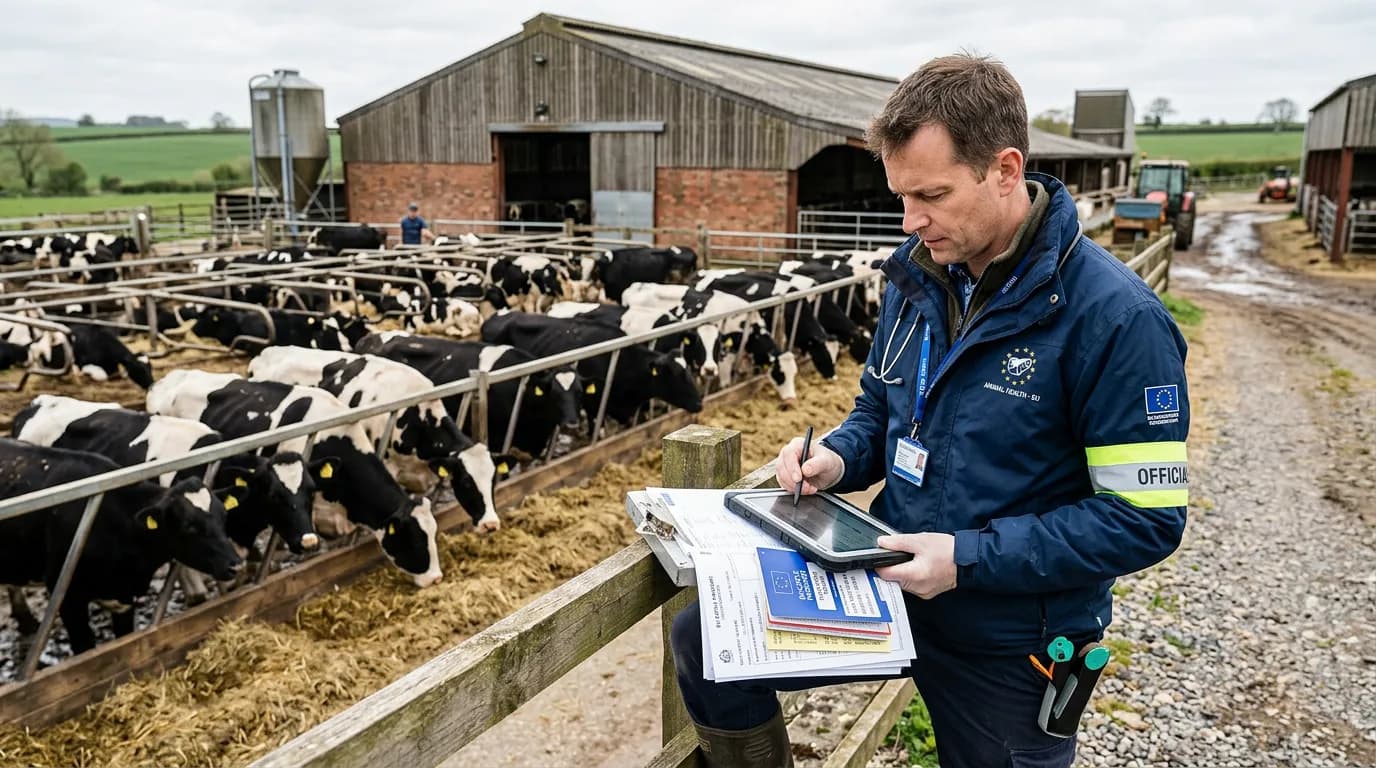
TRACES System Guide: EU Livestock Trade Documentation Explained
A comprehensive guide to the EU TRACES platform — how it works, who needs to use it, notification types, and how Bovatra manages documentation for seamless cross-border cattle trade.
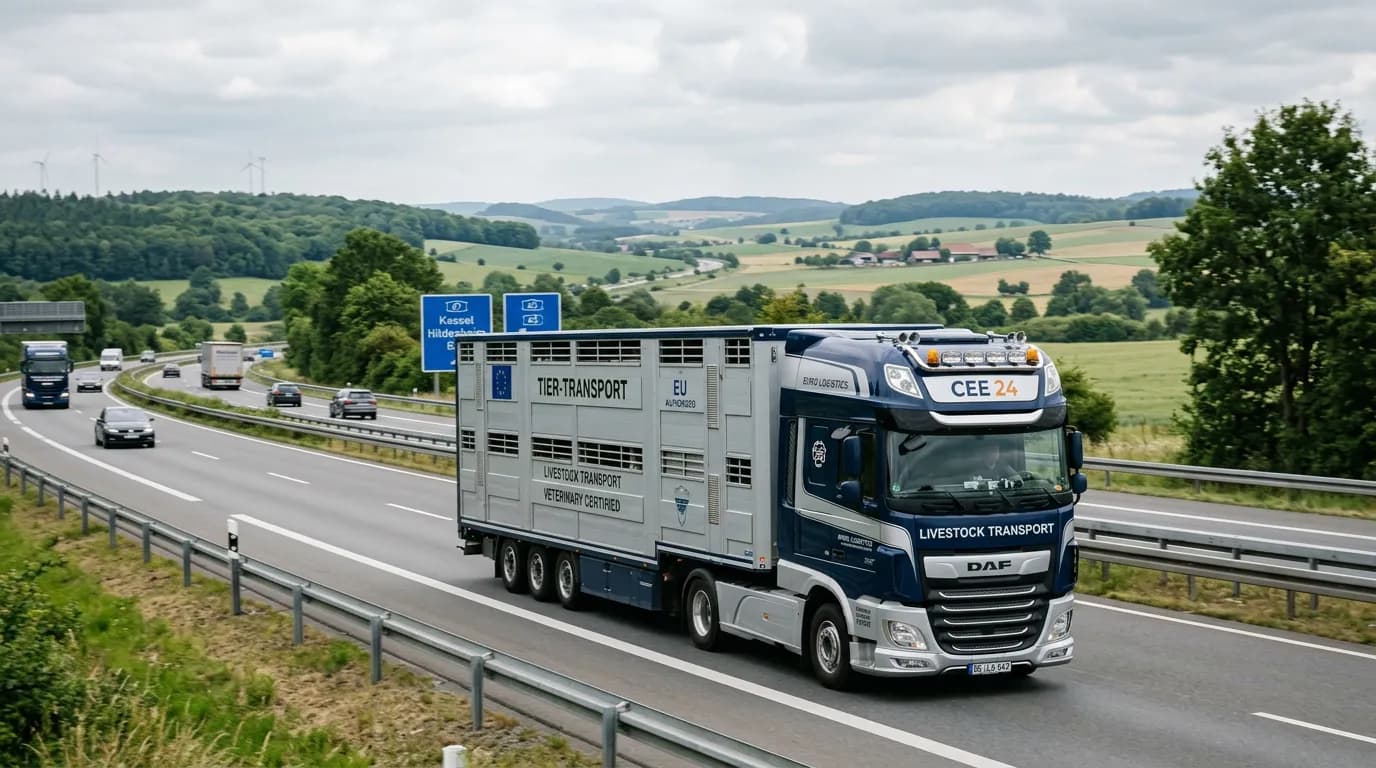
EU Livestock Transport Regulations: Complete Guide to Regulation 1/2005
A comprehensive guide to EU Council Regulation (EC) No 1/2005 on the protection of animals during transport — covering journey time limits, vehicle standards, documentation requirements, and practical implications for cross-border cattle trade.
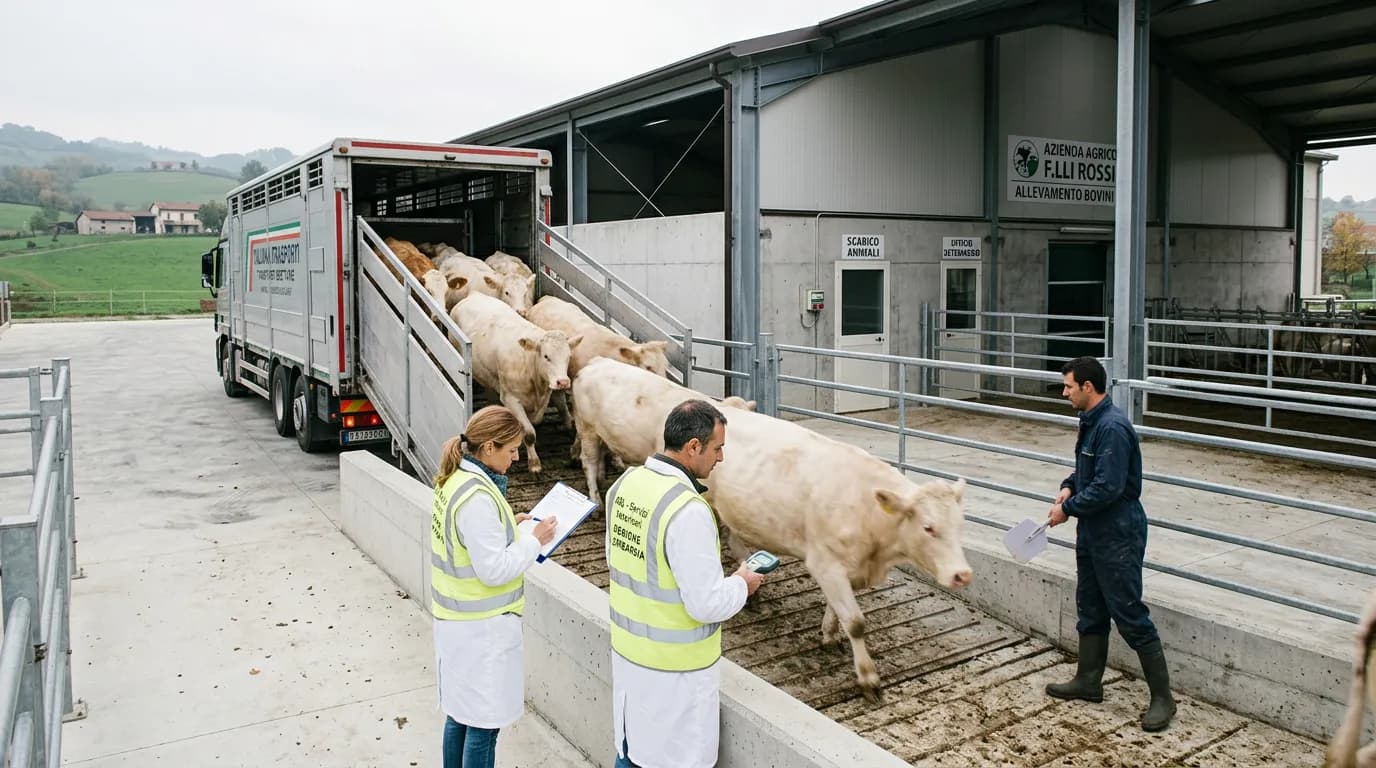
How to Import Livestock to Italy: Complete Buyer's Guide
A step-by-step guide to importing cattle into Italy — covering legal requirements, TRACES notifications, health certificates, border inspections, ASL procedures, and common mistakes to avoid.
Ready to Source Livestock — or List Your Stock?
Whether you are a buyer looking for specific breeds or a seller seeking reliable access to European buyers, Bovatra manages the full transaction cycle.