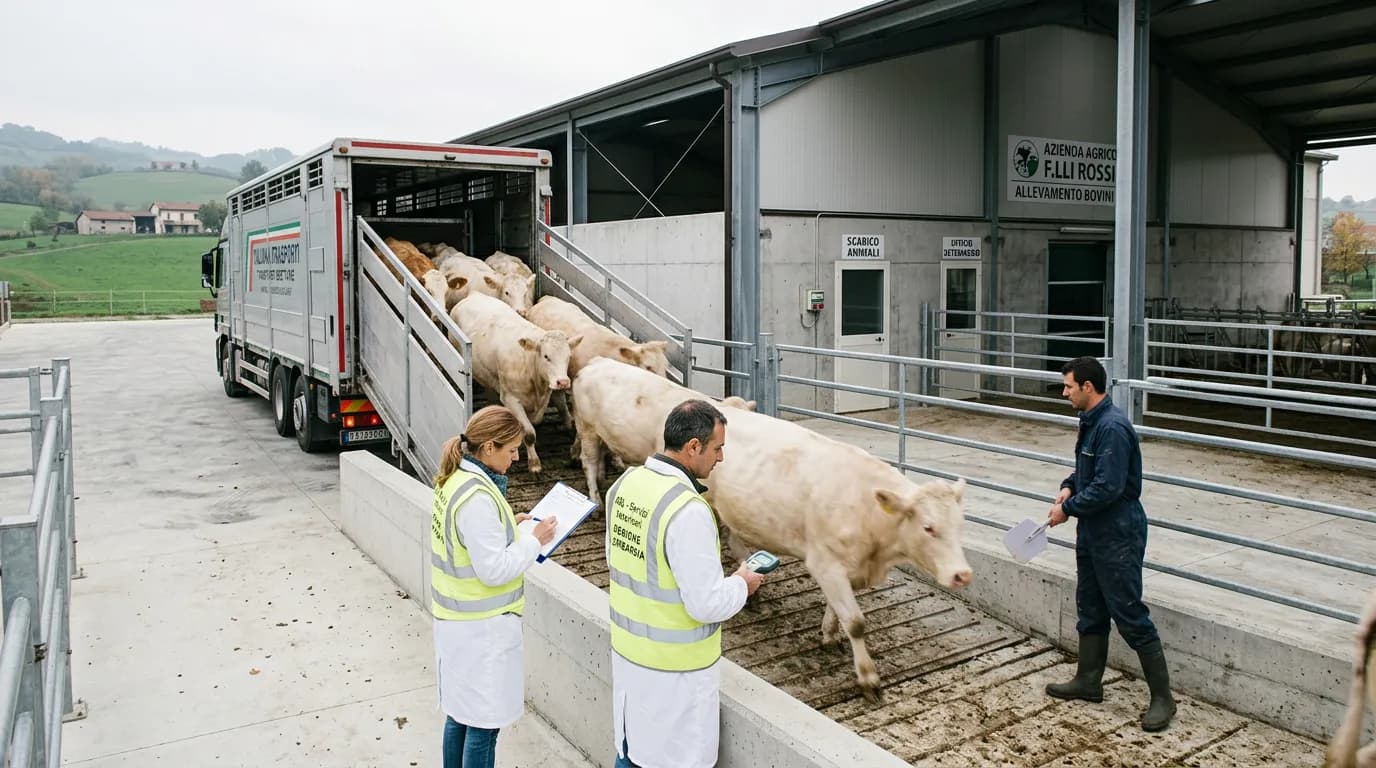
How to Import Livestock to Italy: Complete Buyer's Guide
A step-by-step guide to importing cattle into Italy — covering legal requirements, TRACES notifications, health certificates, border inspections, ASL procedures, and common mistakes to avoid.
Table of Contents
Overview of Livestock Imports to Italy
Italy is one of Europe's largest importers of live cattle, bringing in between 800,000 and 1,000,000 head annually to supply its extensive fattening and finishing sector. The majority of these imports originate from France, Germany, Austria, Ireland, Poland, and other EU member states, entering Italy primarily through the northern border crossings and ports.
While intra-EU livestock trade benefits from the single market's free movement of goods — with no customs duties, quotas, or border tariffs — the movement of live animals is subject to a comprehensive framework of health, welfare, and traceability regulations. These requirements exist to protect animal health, prevent disease transmission, and maintain the traceability of animals through the food chain.
For buyers who are new to livestock importation, or who are expanding their procurement from domestic to international sourcing, understanding the complete regulatory framework is essential. Errors in documentation, notification timing, or compliance procedures can result in consignment delays, rejection at the border, financial penalties, and damage to your reputation as a reliable market participant.
This guide walks through every step of the import process, from the initial legal requirements for operating as a livestock importer in Italy to the final veterinary controls after animals arrive at your facility. Whether you are importing your first load or your hundredth, this guide serves as a comprehensive reference for the procedures that must be followed.
Legal Requirements and Registration as an Importer
Before importing any livestock into Italy, buyers must ensure they meet the legal requirements to operate as a livestock holding and to receive animals from other EU member states.
Holding registration is the foundational requirement. Every premises where cattle are kept in Italy must be registered with the local ASL (Azienda Sanitaria Locale) veterinary service and assigned a unique holding code (codice aziendale). This registration must be current and active before any animals can be received. The holding must be classified appropriately for its intended use — fattening, breeding, dairy, or mixed.
The national livestock database (BDN — Banca Dati Nazionale dell'Anagrafe Zootecnica), managed by the Istituto Zooprofilattico Sperimentale dell'Abruzzo e del Molise, must contain the correct details of your holding, including its capacity, the species authorized to be kept, and the identity of the registered keeper.
Operator registration under EU Regulation 2016/429 (the Animal Health Law) requires that anyone who keeps, moves, or trades in cattle must be registered with the competent authority. In Italy, this is the ASL veterinary service for your area. The registration confirms your identity, the location and type of your establishment, and your responsibilities under EU and national animal health legislation.
For buyers who also act as traders or intermediaries — purchasing cattle in one country and selling or transferring them to third parties in Italy — additional registration as a livestock dealer (commerciante di animali) may be required, with specific record-keeping and traceability obligations.
Financial and fiscal registration is also necessary. Livestock purchases from other EU countries are subject to intra-community trade VAT rules, requiring the buyer to have an active VAT number (partita IVA) and to account for VAT under the reverse charge mechanism. Proper fiscal registration ensures that transactions are correctly documented for tax purposes.
Bovatra advises all buyers to verify their registration status before initiating international procurement, and can assist with the administrative requirements for first-time importers.
The TRACES Notification Process
TRACES NT (Trade Control and Expert System New Technology) is the EU's online platform for managing the certification and notification requirements for intra-community trade in live animals. Every shipment of cattle between EU member states must be notified through TRACES before the animals depart.
The notification process begins in the country of origin. The official veterinarian at the departure point creates a TRACES notification (Part I of the Intra-Trade Animal Health Certificate, or ITAHC) that contains details of the consignment: the number and identification of animals, the origin holding, the destination holding in Italy, the planned transport route, and the identity of the carrier.
Once Part I is completed, the official veterinarian conducts a clinical inspection of the animals and, upon satisfactory inspection, completes Part II of the certificate. This section confirms that the animals meet all health requirements for intra-community trade, including disease status, vaccination history, and fitness for transport.
The TRACES notification is transmitted electronically to the competent authority at the destination — in Italy, this is the ASL veterinary service responsible for the area where the buyer's holding is located. The ASL receives the notification automatically and can monitor incoming consignments.
Timing is critical. The health certificate must be issued within 24 hours before loading, and the TRACES notification must be transmitted before the animals leave the country of origin. The certificate is valid for 10 days from the date of issue for the journey to commence.
For Italian buyers, it is important to monitor TRACES notifications for incoming consignments and to ensure that your ASL is aware of expected arrivals. In practice, this means maintaining open communication with your local veterinary service and providing advance notice of expected delivery dates.
Common TRACES errors that can cause problems include incorrect holding codes (either origin or destination), mismatched animal identification numbers, incomplete disease testing information, and failure to transmit the notification before departure. Bovatra verifies all TRACES documentation before departure to prevent these issues.
Health Certificate Requirements
The Intra-Community Trade Animal Health Certificate (ITAHC) is the core document that accompanies every livestock consignment moving between EU member states. Understanding what this certificate contains and what it guarantees is essential for buyers.
The health certificate confirms several critical elements. First, animal identification: every animal in the consignment must be individually identified with approved ear tags, and the identification numbers must match the certificate exactly. Any discrepancy between the physical ear tags and the certificate will trigger an investigation and potential rejection of the consignment.
Second, disease status: the certificate confirms that the animals originate from holdings and regions that are free from specified diseases. For cattle, the key diseases covered include bovine tuberculosis (TB), brucellosis (Brucella abortus), and enzootic bovine leukosis (EBL). Depending on the health status of the origin country and region, individual animal testing may or may not be required. For example, cattle from Germany — which is officially free of all three diseases — typically do not require individual testing, while cattle from countries with less-than-fully-free status may need to show negative test results within specified timeframes.
Third, additional health guarantees: Italy may require additional health guarantees beyond the EU standard, depending on the origin country and current disease risk assessment. These may include BVD (Bovine Viral Diarrhoea) testing or vaccination status, IBR (Infectious Bovine Rhinotracheitis) testing or vaccination requirements, Bluetongue vaccination or testing depending on the vector season and origin zone, and Schmallenberg virus status in certain circumstances.
Fourth, fitness for transport: the certificate includes confirmation that the animals have been examined and are fit for the intended journey. Animals that are sick, injured, newborn with an unhealed navel, or in the final 10% of gestation cannot be certified for transport.
The original health certificate must physically accompany the consignment throughout the journey and must be presented to Italian authorities upon arrival or upon request. Bovatra ensures that all health certificates are correctly prepared, verified for accuracy, and transmitted through TRACES before any animals are loaded.
Border Inspection and Arrival Procedures
While intra-EU livestock movements do not pass through formal border inspection posts in the traditional customs sense, Italian authorities maintain oversight of incoming consignments through the TRACES system and through destination checks.
The Italian veterinary authority (ASL) at the destination is responsible for monitoring incoming livestock consignments. When a TRACES notification is received for an incoming consignment, the ASL may decide to conduct a destination check, which can range from a documentary review to a full physical inspection of the animals on arrival.
Destination checks are not conducted on every consignment — Italian authorities use a risk-based approach to determine which consignments are inspected. Factors that increase the likelihood of inspection include consignments from new or unknown origins, large consignments, animals from regions with elevated disease risk, previous compliance issues with the buyer or supplier, and random selection as part of routine surveillance.
When a destination check is conducted, the ASL veterinarian will verify the TRACES notification and health certificate documentation, check the identity of animals against the certificate (ear tag verification), conduct a clinical inspection to assess the health and welfare status of the animals, and verify that transport conditions were appropriate (vehicle inspection, journey log review).
If any irregularities are found — such as missing ear tags, documentation discrepancies, or animals showing signs of disease — the ASL can take enforcement actions ranging from requiring additional testing or quarantine to rejecting the consignment entirely. In serious cases, animals may be held under official control pending investigation.
To minimize the risk of problems at destination, buyers should ensure all documentation is complete and accurate before departure, verify that all animals carry both ear tags and that numbers are legible, use only licensed and reputable transport operators, communicate arrival times to the ASL in advance, and have adequate receiving facilities prepared with clean pens, water, and feed.
Bovatra coordinates arrival logistics with the buyer's local ASL, ensuring that destination checks proceed smoothly and that any issues are resolved promptly.
ASL Notification and Registration of Imported Animals
Upon arrival of imported cattle at your holding in Italy, a series of notification and registration steps must be completed to bring the animals into the Italian national identification and traceability system.
Arrival notification to the ASL must be made promptly. Italian regulations require that the arrival of livestock from another EU member state be reported to the local ASL veterinary service. In practice, the TRACES system already alerts the ASL to the expected arrival, but the buyer should also confirm arrival directly, particularly if the actual arrival date differs from the planned date.
Registration in the BDN (Banca Dati Nazionale) is mandatory. All imported cattle must be registered in the national livestock database within the timeframe specified by Italian regulations — typically within 7 days of arrival. This registration links the animal's EU identification (country of origin ear tag and passport) to the Italian holding where it is now kept.
Italian ear tags may need to be applied in certain circumstances. Animals arriving from other EU member states retain their original ear tags and identification numbers. However, if an ear tag is lost or damaged during transport, a replacement must be applied following Italian identification rules. The original identification number is preserved in the database and cross-referenced with any replacement tag.
Animal passports or movement documents from the country of origin must be retained and may need to be exchanged for Italian documentation depending on the specific circumstances and duration of stay. For animals entering fattening operations and proceeding to slaughter in Italy, the original passport typically remains valid alongside the Italian BDN registration.
Movement registers must be updated. Every livestock holding in Italy is required to maintain a register of all animal movements (registro di carico e scarico). The arrival of imported animals must be recorded in this register with the date of arrival, origin, animal identification numbers, and associated documentation references.
The ASL may conduct a post-arrival inspection within the first few days or weeks after the animals arrive, particularly for first-time imports or large consignments. This inspection verifies that the animals are correctly identified, properly housed, and in good health.
Bovatra assists buyers with all post-arrival administrative requirements, ensuring that registration, notification, and record-keeping obligations are fulfilled correctly and on time.
Ear Tag and Identification Requirements
Animal identification is the cornerstone of EU livestock traceability, and strict rules govern how cattle must be identified throughout their lives — including when they move between member states.
EU identification rules require that every bovine animal carries two approved ear tags, one in each ear, bearing the animal's unique identification number. This number consists of a country code (e.g., FR for France, DE for Germany, IE for Ireland) followed by a numeric sequence that is unique to the individual animal.
For imported cattle, the original ear tags from the country of origin remain valid and must not be removed. The animal retains its birth identification throughout its life, regardless of how many times it changes ownership or location within the EU. This principle of lifelong identification is fundamental to EU traceability.
If an ear tag is lost during transport or handling, the situation must be handled carefully. The animal cannot be moved further until it is re-identified. The replacement tag must reference the original identification number, and the loss and replacement must be reported to the competent authority (ASL) and recorded in the national database.
Electronic identification (EID) is increasingly used in EU cattle identification. Some member states have adopted electronic ear tags (containing RFID transponders) as the standard, while others still use conventional visual-only tags. When importing cattle with electronic tags, Italian buyers should ensure that their reading equipment is compatible with the tag technology used in the origin country.
Passport documentation accompanies each animal. The cattle passport records the animal's identification number, date of birth, breed, sex, dam identification, and complete movement history. For imported animals, the passport issued in the country of origin serves as the primary identification document. Italian authorities cross-reference the passport data with the TRACES notification and health certificate to verify identity and traceability.
At slaughter, the animal's identification is verified one final time, and the identification number is linked to the carcass and subsequent meat products through the beef labeling regulations. This complete chain of identification from birth to consumer is a fundamental requirement of EU food safety law.
Bovatra verifies the identification status of every animal before purchase and ensures that all ear tags, passports, and database records are consistent and complete.
Veterinary Controls on Arrival
After imported cattle arrive at your holding in Italy, veterinary oversight continues through a series of controls designed to protect animal health and verify that imported animals do not introduce disease.
The initial clinical assessment should be conducted by the holding's veterinarian (veterinario aziendale) within the first 24–48 hours of arrival. This assessment evaluates the general health and condition of the animals after transport, looking for signs of respiratory disease, lameness, injury, dehydration, or other transport-related health issues. Any animal requiring treatment should receive appropriate veterinary care immediately.
Post-arrival quarantine or isolation is a recommended — and in some cases required — practice for imported cattle. New arrivals should be kept separate from the existing herd for a minimum of 2–4 weeks to allow for observation and early detection of any disease that may have been incubating during transport. During this isolation period, close monitoring of body temperature, respiratory rate, appetite, and behavior is essential.
The ASL may mandate specific post-arrival testing depending on the origin of the animals and current disease surveillance requirements. Common post-arrival tests include tuberculin skin test for TB (particularly for animals from countries or regions that are not fully TB-free), blood testing for brucellosis and leukosis (if not covered by the origin country's free status), BVD antigen testing to identify any persistently infected animals, and IBR serology depending on the buyer's herd health program and Italian regional requirements.
Parasite treatment should be conducted as part of the arrival protocol. Animals imported from pasture-based systems in France, Ireland, or other countries may carry gastrointestinal nematodes, liver fluke, or external parasites that require treatment. A comprehensive antiparasitic treatment on arrival — tailored to the likely parasite exposure based on the origin — helps prevent performance losses during the finishing period.
Vaccination programs should be reviewed and, if necessary, supplemented on arrival. Depending on the vaccination history recorded in the health certificate and the buyer's own herd health program, booster vaccinations against respiratory pathogens (IBR, BVD, PI3, BRSV, Mannheimia/Pasteurella) may be warranted, particularly if the finishing facility houses cattle from multiple origins.
Bovatra provides arrival management protocols to buyers, including recommended quarantine procedures, testing schedules, and treatment programs tailored to the specific origin and breed of imported cattle.
Common Mistakes to Avoid
Years of experience in livestock trade have revealed recurring mistakes that can disrupt imports, increase costs, and create legal or veterinary problems. Being aware of these common pitfalls is the best way to avoid them.
Incorrect or incomplete TRACES notifications are the most frequent cause of import problems. Common errors include wrong holding codes (using an old code, a code for a different premises, or a transposition error), mismatched animal numbers (the identification numbers on the certificate do not match the animals in the truck), missing health test results (testing was completed but results were not uploaded to TRACES), and late notifications (the notification was not transmitted before departure, making the consignment technically non-compliant).
Inadequate preparation of receiving facilities causes unnecessary stress and health problems for imported animals. Before any consignment arrives, buyers must ensure that pens are clean, dry, and bedded, water troughs are clean and functioning, appropriate feed is prepared for the arrival and adaptation period, and isolation facilities are available if quarantine is required.
Failure to notify the ASL of arrivals in a timely manner can result in administrative penalties and compliance issues. Even though TRACES provides automatic notification, good practice requires the buyer to also communicate directly with their local ASL, particularly regarding the expected date and time of arrival.
Poor adaptation management in the first weeks after arrival leads to preventable health problems and performance losses. The transition from transport to a new environment and feeding system is the highest-risk period for imported cattle. A structured adaptation protocol — covering gradual diet transition, monitoring, and prompt treatment of any health issues — is essential.
Insufficient record-keeping is a compliance risk that can have serious consequences during ASL inspections. Every movement, treatment, vaccination, and death must be recorded in the holding register. For imported animals, additional records should include the TRACES notification reference, health certificate copies, transport documentation, and any post-arrival test results.
Using unauthorized or unlicensed transport operators can invalidate the entire consignment's documentation. All transport companies must hold valid EU authorization, and drivers must have certificates of competence. Verifying carrier credentials before booking transport is non-negotiable.
Bovatra's end-to-end service is designed to eliminate these common mistakes. By managing the entire process from sourcing through documentation, transport, and arrival support, we ensure that every import is executed correctly and compliantly.
How Bovatra Simplifies the Import Process
Importing livestock into Italy involves multiple stakeholders, regulatory requirements, and logistical steps that must all align perfectly for a successful delivery. For buyers who want to focus on their core business — fattening and producing quality beef — rather than navigating bureaucratic complexity, Bovatra provides a comprehensive import management service.
Our service covers every step of the import process. In the sourcing phase, we select animals that match your specifications from our network of trusted suppliers across France, Germany, Austria, Ireland, and other EU origins. We verify the health status, identification, and quality of every animal before purchase.
For documentation and compliance, Bovatra coordinates with official veterinarians in the country of origin to prepare and validate TRACES notifications and health certificates. We verify that all animal identification records are accurate and complete, and we ensure that all required health testing is conducted within the proper timeframes.
Transport logistics are coordinated with licensed carriers who specialize in livestock transport and maintain full EU compliance. We plan routes that optimize animal welfare and transit time, arrange rest stops at approved control posts when required, and provide journey tracking so buyers know when their animals will arrive.
On arrival in Italy, we support buyers with ASL notification and communication, animal registration in the BDN, adaptation and quarantine protocols, and any post-arrival testing or veterinary procedures required.
For buyers who are importing livestock for the first time, Bovatra also assists with the initial registration and administrative setup needed to receive animals from other EU member states.
The result is a seamless procurement experience where the buyer receives quality cattle at their facility, fully documented, legally compliant, and ready to enter the fattening program. Contact Bovatra to discuss your import requirements and learn how we can streamline your international livestock procurement.
Start Importing Livestock
Related Guides
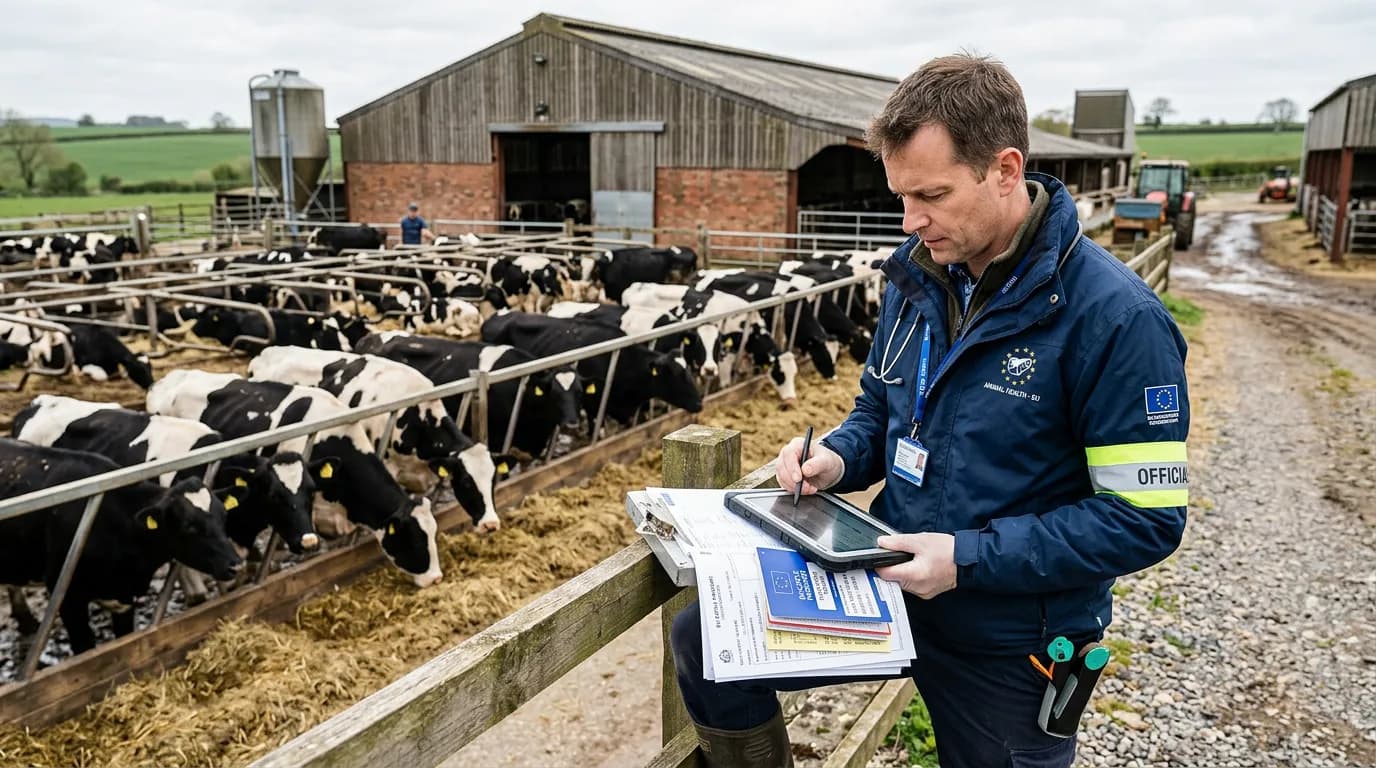
TRACES System Guide: EU Livestock Trade Documentation Explained
A comprehensive guide to the EU TRACES platform — how it works, who needs to use it, notification types, and how Bovatra manages documentation for seamless cross-border cattle trade.
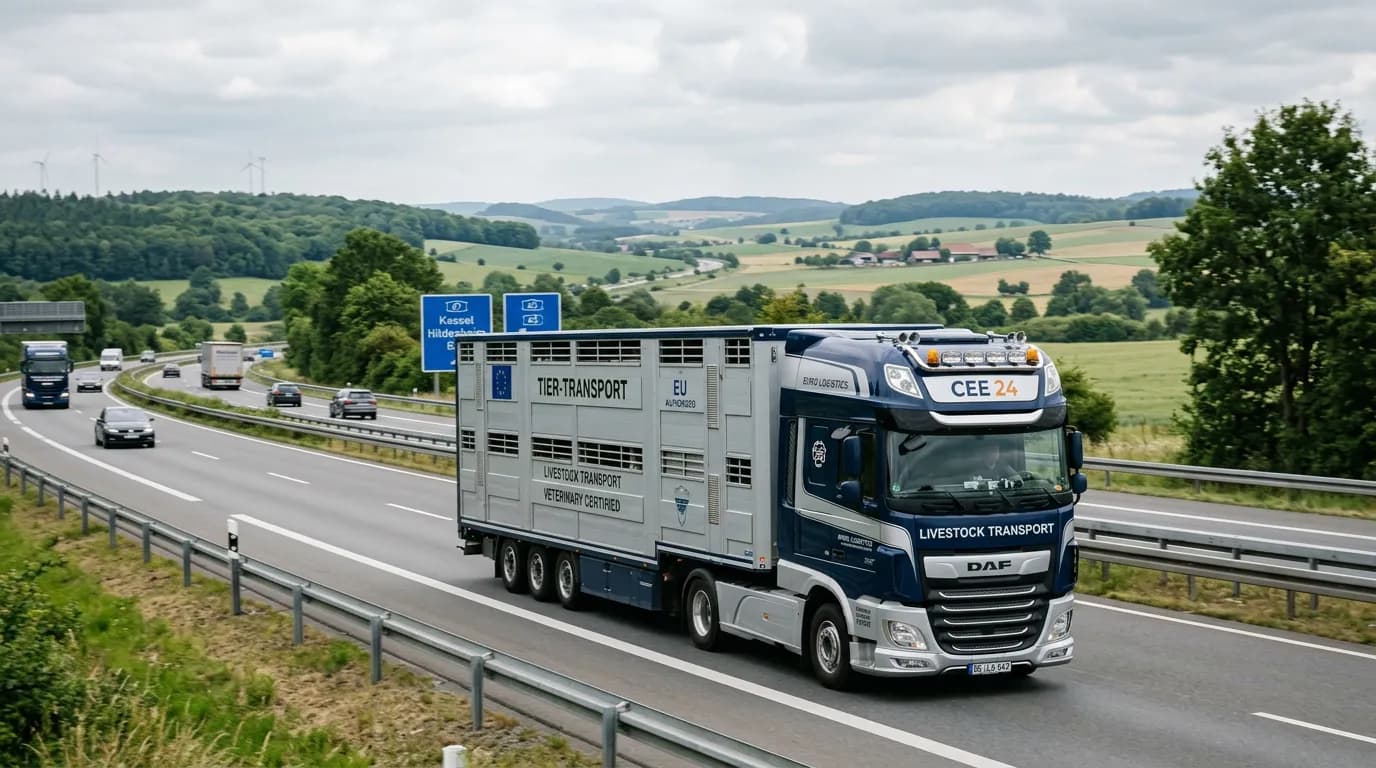
EU Livestock Transport Regulations: Complete Guide to Regulation 1/2005
A comprehensive guide to EU Council Regulation (EC) No 1/2005 on the protection of animals during transport — covering journey time limits, vehicle standards, documentation requirements, and practical implications for cross-border cattle trade.
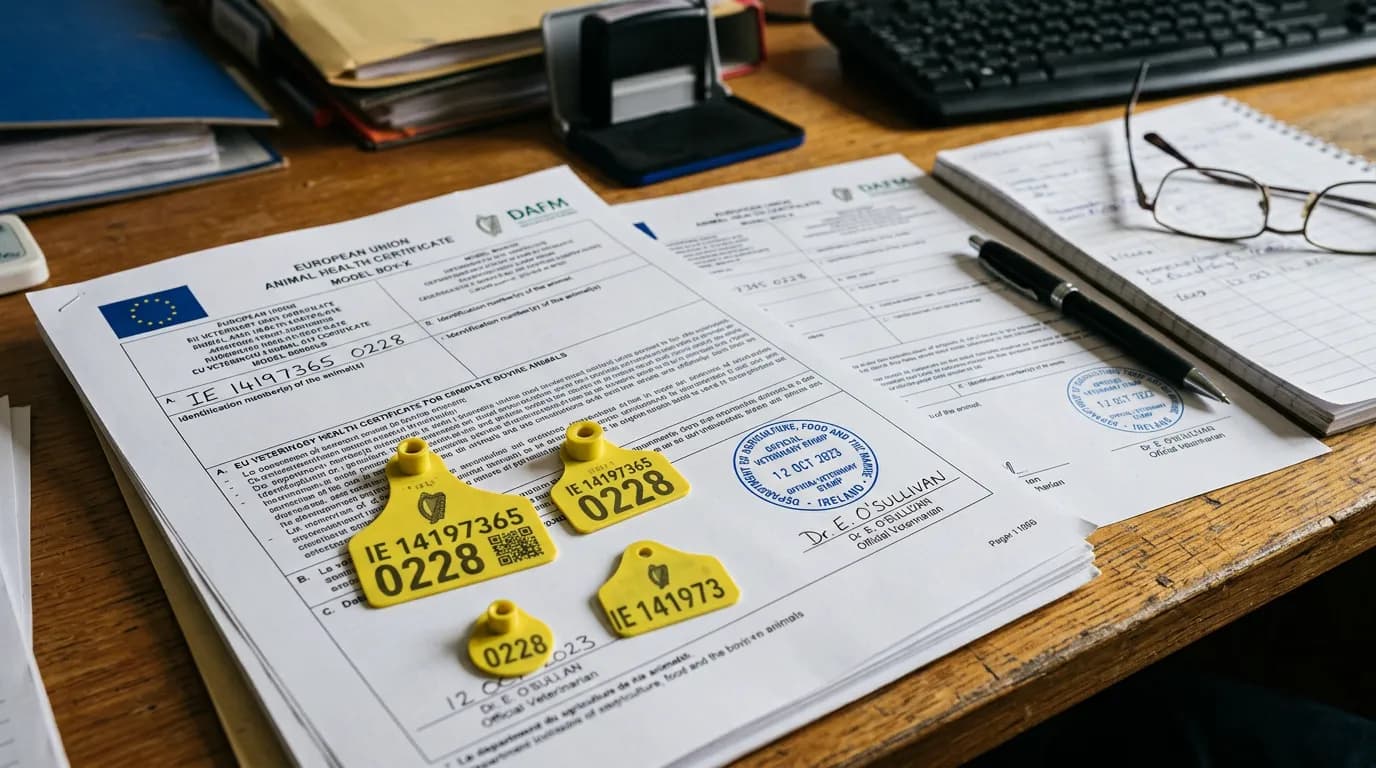
Livestock Health Certificates in the EU: Requirements & Process
A detailed guide to EU health certificate requirements for intra-community cattle trade — covering veterinary inspections, disease testing, quarantine periods, and common rejection reasons.
Ready to Source Livestock — or List Your Stock?
Whether you are a buyer looking for specific breeds or a seller seeking reliable access to European buyers, Bovatra manages the full transaction cycle.