Blonde d'Aquitaine Cattle: Complete Breed Guide for Buyers
A complete guide to Blonde d'Aquitaine cattle for professional buyers — breed characteristics, exceptional muscling, growth capacity, French sourcing, and transport to Italy.
Table of Contents
Introduction to Blonde d'Aquitaine Cattle
The Blonde d'Aquitaine is one of France's most impressive beef breeds and a growing favorite among professional livestock buyers across Europe. Renowned for its large frame, exceptional muscular development, and wheat-colored coat, the Blonde d'Aquitaine combines size with quality in a way that few other breeds can match. For Italian fattening operations seeking cattle with outstanding growth capacity and premium carcass characteristics, this breed offers a compelling alternative to more widely traded French breeds.
Originating in the southwest of France — the rolling hills and fertile valleys of Aquitaine — the breed was created through the consolidation of several regional strains in the mid-20th century. This diverse genetic foundation gave the Blonde d'Aquitaine its characteristic combination of size, muscling, and adaptability. Today, it ranks as France's third most numerous beef breed, behind only the Charolais and Limousin.
This guide provides professional buyers with a comprehensive understanding of the Blonde d'Aquitaine breed: its history, physical characteristics, growth and finishing performance, feeding requirements, health profile, sourcing from France, transport logistics, and market position. Whether you are an experienced buyer of French cattle or exploring this breed for the first time, the information here will support informed procurement decisions.
Breed Origin and History
The Blonde d'Aquitaine as we know it today was formally created in 1962 through the merger of three closely related regional breeds from southwest France: the Garonnaise, the Quercy, and the Blonde des Pyrénées. Each of these ancestral strains contributed distinct qualities — the Garonnaise brought muscular development and size, the Quercy added hardiness and adaptability, and the Blonde des Pyrénées contributed bone strength and mountain vigor.
Prior to their consolidation, these cattle had been bred in the Aquitaine basin for centuries, serving as triple-purpose animals — draft, milk, and meat. The shift away from draft power in the mid-20th century allowed breeders to focus selection entirely on beef production traits, and the newly unified Blonde d'Aquitaine breed responded rapidly to this selection pressure. Within two decades, the breed had established itself as a major force in French beef production.
The breed's herd book, managed by France Blonde d'Aquitaine Sélection, has maintained rigorous performance recording and genetic evaluation programs since the breed's creation. This systematic approach has produced measurable improvements in growth rate, muscular development, and calving ease over successive generations. Today, the French Blonde d'Aquitaine population numbers approximately 500,000 breeding cows, concentrated primarily in the departments of the Pyrénées-Atlantiques, Gers, Lot-et-Garonne, Dordogne, and Haute-Garonne.
Internationally, the breed has gained significant traction since the 1970s, with populations now established across Europe, South America, Australia, and North America. However, France remains the definitive source for high-quality Blonde d'Aquitaine genetics and commercial animals.
Physical Characteristics and Conformation
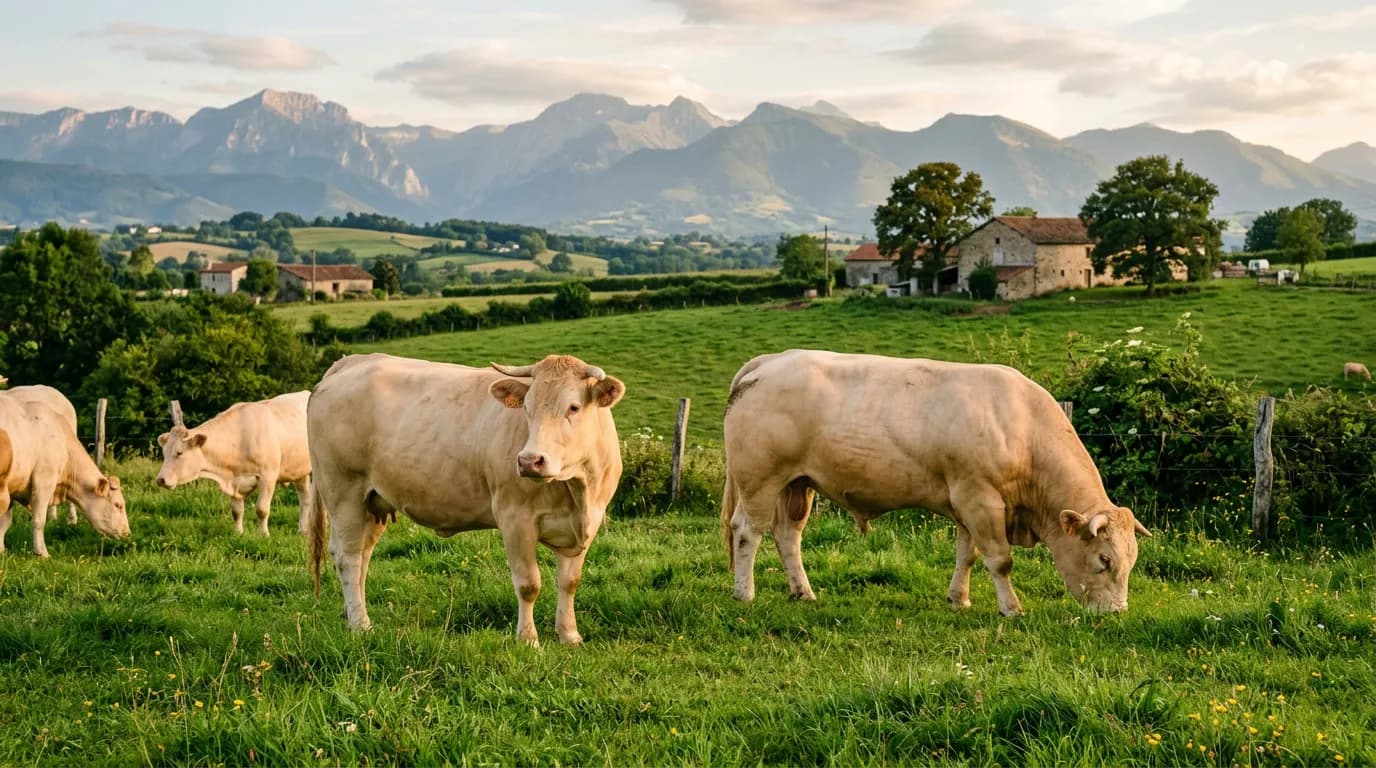
The Blonde d'Aquitaine is among the largest European beef breeds, with mature bulls commonly weighing 1,100 to 1,400 kg and cows reaching 800 to 1,000 kg. This size, combined with the breed's characteristic muscular development, produces animals of truly impressive stature and commercial potential.
The coat color ranges from wheat to fawn, with lighter shading around the eyes, muzzle, and inner thighs. The skin is fine and the hair is short and sleek, giving the animals a smooth, well-finished appearance even before entering a fattening program. The head is relatively small for the body size, with a broad forehead, fine muzzle, and medium-length horns — though polled lines are increasingly available.
The most striking physical characteristic of the Blonde d'Aquitaine is its exceptional muscular development, particularly through the shoulders, back, loin, and hindquarters. The breed exhibits a natural tendency toward muscle hypertrophy — not to the extreme of the Belgian Blue, but significantly more pronounced than most other continental breeds. This translates into outstanding carcass yields and a high proportion of premium cuts.
The skeletal structure is strong yet refined, with clean joints and well-proportioned limbs that support the breed's considerable body weight. The breed's length of body is notable, contributing to a long loin and extensive hindquarter — both commercially valuable attributes. For buyers evaluating Blonde d'Aquitaine cattle, key assessment points include overall frame size, depth and width of muscling through the loin and hindquarter, structural correctness of legs and feet, and smoothness of finish.
Growth Performance and Finishing Potential
The Blonde d'Aquitaine's growth performance is among the most impressive of any beef breed. Under intensive finishing conditions, young bulls routinely achieve average daily gains (ADG) of 1.4 to 1.8 kg per day, with top animals exceeding 2.0 kg per day in well-managed systems. This growth capacity reflects the breed's large mature size and strong genetic drive for lean tissue deposition.
Feed conversion ratios (FCR) typically range from 5.5:1 to 7.0:1 (kg feed per kg gain), which is competitive with other continental breeds and reflects the breed's efficient conversion of feed energy into muscle rather than fat. The Blonde d'Aquitaine's late maturity pattern means that animals continue to deposit lean muscle over extended finishing periods without excessive fat accumulation — a significant advantage for operations targeting heavier slaughter weights.
Carcass yield is outstanding, with dressing percentages typically in the 63-67% range. The breed's natural muscular development and favorable meat-to-bone ratio (typically 4.5:1 to 5.2:1) result in carcasses that consistently grade in the top EUROP conformation classes (E and U). Fat cover is typically moderate, grading 2-3 on the EU scale, reflecting the breed's lean growth pattern.
For Italian fattening operations, Blonde d'Aquitaine broutards are typically sourced at 8-14 months of age weighing 350-500 kg and finished to slaughter weights of 700-800 kg over a 5-7 month period. Key performance benchmarks include: birth weight of 42-50 kg, weaning weight of 300-380 kg at 7-8 months, finishing weight of 700-800 kg at 16-20 months, and carcass weight of 430-520 kg. These figures place the Blonde d'Aquitaine among the heaviest-finishing beef breeds available to Italian buyers.
Suitability for Intensive Finishing Systems
The Blonde d'Aquitaine is particularly well-suited to intensive finishing systems, which dominate Italian beef production. The breed's combination of large frame, high growth potential, and late maturity pattern means that animals can be fed to heavy weights while maintaining favorable carcass composition — a critical economic advantage in systems where margin per head depends on maximizing saleable meat output.
In Italian feedlot environments, Blonde d'Aquitaine cattle adapt well to confined housing, high-energy diets, and managed feeding programs. Their temperament is generally calm and tractable, which facilitates handling and reduces stress-related performance losses. The breed's natural lean growth pattern means that finishing rations can be maintained at high energy densities without the risk of excessive fat deposition that limits finishing duration in earlier-maturing breeds.
The breed's response to intensive nutrition is particularly noteworthy. Blonde d'Aquitaine cattle fed well-formulated finishing rations show consistent and predictable growth curves, with relatively low variation between animals in daily gain and feed intake. This uniformity simplifies management and improves the predictability of finishing outcomes — an important consideration for operations managing large numbers of animals.
Another advantage in intensive systems is the breed's favorable health profile during the finishing phase. Blonde d'Aquitaine cattle are generally resistant to metabolic disorders associated with high-concentrate feeding, including acidosis and bloat, provided that adaptation protocols are followed correctly. Their robust constitution and strong immune function contribute to low morbidity rates in well-managed facilities.
Feeding and Nutrition Strategies
Optimizing the Blonde d'Aquitaine's growth potential requires a feeding program calibrated to the breed's large frame and high lean tissue deposition rate. In Italian finishing operations, the standard approach uses a total mixed ration (TMR) system built around maize silage, cereal grains, and quality protein supplements.
A typical finishing ration for Blonde d'Aquitaine cattle consists of approximately 40-50% maize silage, 30-35% concentrate mix (maize grain, barley, wheat), 10-15% protein supplement (soybean meal, rapeseed meal), and 3-5% mineral-vitamin premix. Given the breed's large frame and high growth potential, dry matter intake targets are typically set at 2.2-2.6% of body weight per day — slightly higher than for smaller-framed breeds.
The adaptation period after arrival from France demands careful management. Blonde d'Aquitaine broutards transitioning from pasture-based systems need a gradual 2-4 week step-up program to acclimate to high-energy finishing rations. Rushing this transition risks acidosis, reduced intake, and respiratory complications. Starting with a high-forage ration (70-80% forage) and incrementally increasing concentrate inclusion over 14-21 days is the recommended protocol.
Protein levels in the finishing ration should be maintained at 13-14% crude protein on a dry matter basis for growing animals, reflecting the breed's high lean tissue deposition rate. Energy density should target 11.5-12.5 MJ metabolizable energy per kg of dry matter. As animals approach heavier finishing weights, protein levels can be reduced slightly to 12-13% while maintaining energy density.
Water intake requirements are substantial — 45-75 liters per day depending on body weight and environmental conditions. Given the breed's large body size, adequate trough space and water flow rates are particularly important to prevent competition-related intake restrictions.
Health Considerations for Buyers
Blonde d'Aquitaine cattle are generally healthy and robust, with a strong constitution that reflects their diverse genetic heritage. However, certain health factors are particularly relevant for buyers importing animals for fattening in Italy.
As with all breeds undergoing cross-border transport, bovine respiratory disease (BRD) is the primary health risk during and immediately after transit. Comprehensive vaccination against major respiratory pathogens — including IBR, BVD, PI3, and BRSV — should be completed at least 2-3 weeks before transport to ensure adequate immune protection.
The Blonde d'Aquitaine's calving characteristics deserve particular mention. Despite the breed's large size, calving ease has been a major focus of French breeding programs for decades. Modern Blonde d'Aquitaine cattle have been selected for favorable pelvic dimensions and moderate birth weights (42-50 kg), resulting in calving ease rates that are significantly better than the breed's size might suggest. Nonetheless, buyers purchasing pregnant females should be aware of the breed's above-average birth weights.
A genetic condition known as muscular hypertrophy (double muscling) occurs at low frequency within the breed. While extreme cases can cause calving difficulties, the moderate degree of muscle hypertrophy that characterizes the typical Blonde d'Aquitaine is commercially desirable and does not generally impair health or fertility. Buyers should work with knowledgeable suppliers who can assess animals for appropriate muscular development.
Parasite management follows standard protocols for French pasture-raised cattle: strategic deworming and liver fluke treatment before transport, with follow-up assessment during the adaptation period. All EU health certification requirements — tuberculosis, brucellosis, and leukosis testing — must be met before cross-border movement. Bovatra manages all veterinary documentation and certification processes.
Sourcing Blonde d'Aquitaine from France
Southwest France is the definitive sourcing region for Blonde d'Aquitaine cattle, with the departments of Pyrénées-Atlantiques, Gers, Lot-et-Garonne, Dordogne, and Haute-Garonne concentrating the highest density of specialist herds. The region's temperate climate, fertile pastures, and long tradition of beef cattle production create ideal conditions for raising quality animals.
The French Blonde d'Aquitaine market operates on seasonal patterns that buyers should plan around. The primary marketing season for broutards runs from September through January for spring-born calves, with a secondary period from April to June for autumn births. Blonde d'Aquitaine broutards are available through livestock markets, direct farm sales, and organized marketing groups throughout the southwest.
Key livestock markets for Blonde d'Aquitaine include those at Agen, Villeneuve-sur-Lot, Auch, and Tarbes. These markets regularly handle large volumes of the breed and provide access to graded animals with documented performance data. Marketing cooperatives, including those affiliated with France Blonde d'Aquitaine Sélection, offer additional sourcing channels with quality assurance programs.
Purchase specifications for Italian fattening operations typically include broutard bulls aged 8-14 months weighing 350-500 kg, store cattle aged 14-18 months weighing 500-600 kg, and finished young bulls weighing 700-800 kg for direct slaughter. The breed's relatively smaller market share compared to Charolais and Limousin means that buyers seeking large, uniform lots may need to source from multiple farms or across multiple market dates.
Bovatra's sourcing network in the Aquitaine region provides buyers with access to quality Blonde d'Aquitaine cattle across all weight and age categories, with the ability to consolidate purchases from multiple suppliers into uniform shipments.
Transport and Logistics to Italy
Transporting Blonde d'Aquitaine cattle from southwest France to northern Italy covers a distance of 1,000-1,400 km, depending on specific origin and destination points. Journey times range from 14 to 24 hours and must comply with Council Regulation (EC) No 1/2005, which governs all livestock transport within the European Union.
Due to the breed's large frame size, loading density calculations require particular attention. EU regulations specify minimum space allowances based on body weight, and Blonde d'Aquitaine animals — particularly older store cattle and finished bulls — may require more space per head than smaller-framed breeds at equivalent weights. Typical space allowances range from 1.4 to 1.8 m² per animal depending on weight category.
Blonde d'Aquitaine cattle generally transport well, with a calm temperament that reduces injury risk during loading, transit, and unloading. However, their large size means that vehicle specifications must be carefully matched to the animals being transported. Adequate headroom, partition placement, and floor traction are all essential to ensure safe and welfare-compliant transport.
The documentation package for cross-border shipments includes TRACES notification, official health certificates, carrier transport authorization, and journey logs. For journeys exceeding 8 hours — which includes virtually all France-to-Italy routes — detailed journey planning with designated rest stops, watering points, and contingency arrangements is required.
Bovatra coordinates all transport logistics, working with approved carriers experienced in handling large-framed cattle breeds. Our logistics team ensures that vehicle specifications, loading protocols, and documentation are aligned with both regulatory requirements and the specific needs of Blonde d'Aquitaine cattle.
Why Choose Blonde d'Aquitaine for Italian Fattening Operations
Blonde d'Aquitaine cattle represent a premium option for Italian fattening operations that prioritize maximum carcass weight and lean meat yield per head. The breed's combination of large frame, exceptional muscling, and efficient growth creates an economic proposition centered on maximizing output from each animal in the system.
The breed is particularly well-suited to operations targeting the upper end of the slaughter weight spectrum. While some breeds reach their optimal carcass composition at 600-650 kg live weight, Blonde d'Aquitaine cattle can be profitably finished to 750-800 kg or more without excessive fat deposition. This capacity to produce heavy, lean carcasses aligns well with the demands of Italian processors serving both domestic retail and export markets.
The premium French origin of Blonde d'Aquitaine cattle adds market value that extends beyond the physical characteristics of the carcass. Italy's quality-conscious beef market increasingly recognizes and rewards traceability, and French-origin Blonde d'Aquitaine cattle carry strong provenance credentials. This breed-and-origin combination supports premium positioning in retail and foodservice channels.
For operations looking to diversify their breed mix beyond the dominant Charolais and Limousin, the Blonde d'Aquitaine offers a differentiated profile that can complement existing procurement strategies. The breed's unique combination of size, muscling, and late maturity fills a specific niche in the Italian fattening landscape.
Contact Bovatra to explore Blonde d'Aquitaine sourcing options tailored to your operation's requirements. Our team can provide current availability, pricing, and specification guidance to help you integrate this outstanding breed into your procurement program.
Source Blonde d'Aquitaine Cattle
Related Guides
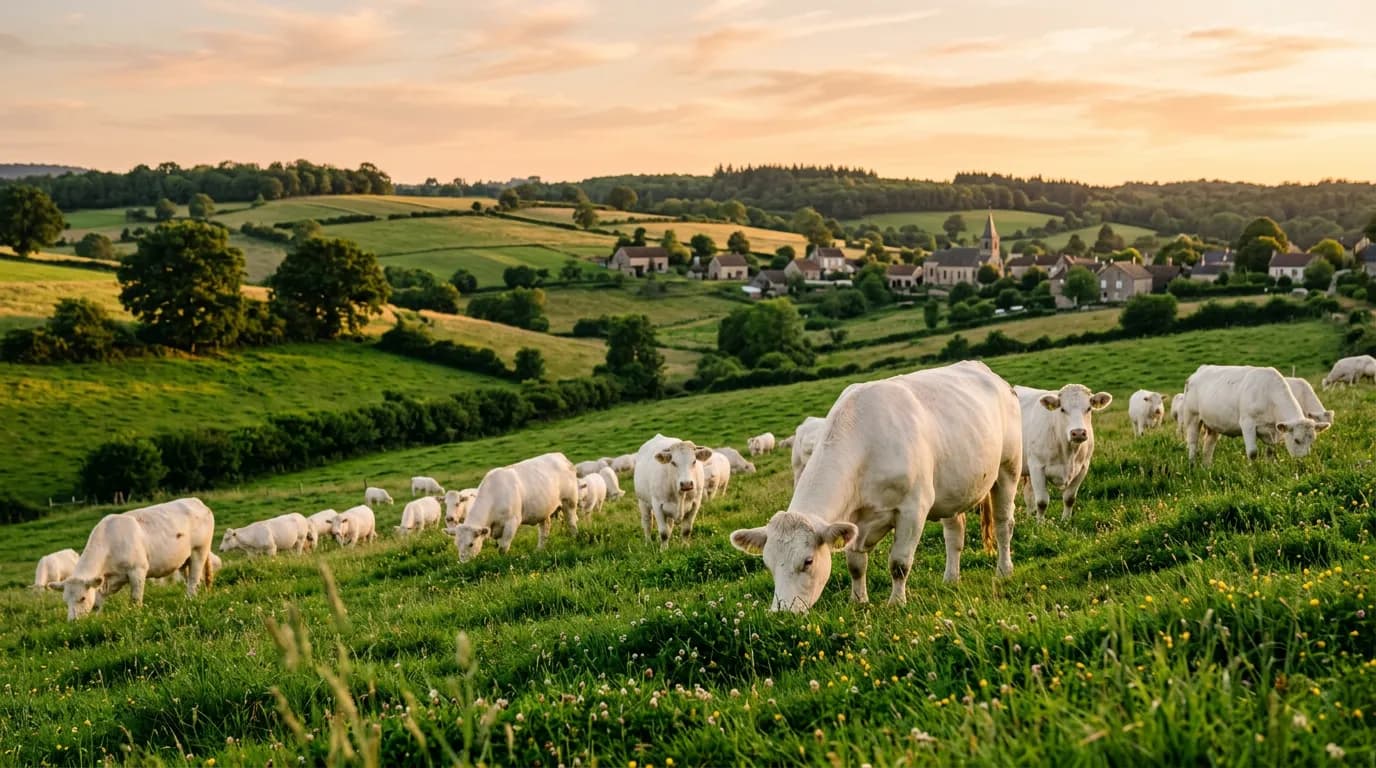
Charolais Cattle Breed Guide: Characteristics, Feeding & Sourcing
Everything professional buyers need to know about Charolais cattle — from breed characteristics and growth performance to sourcing from France and transport to Italy.
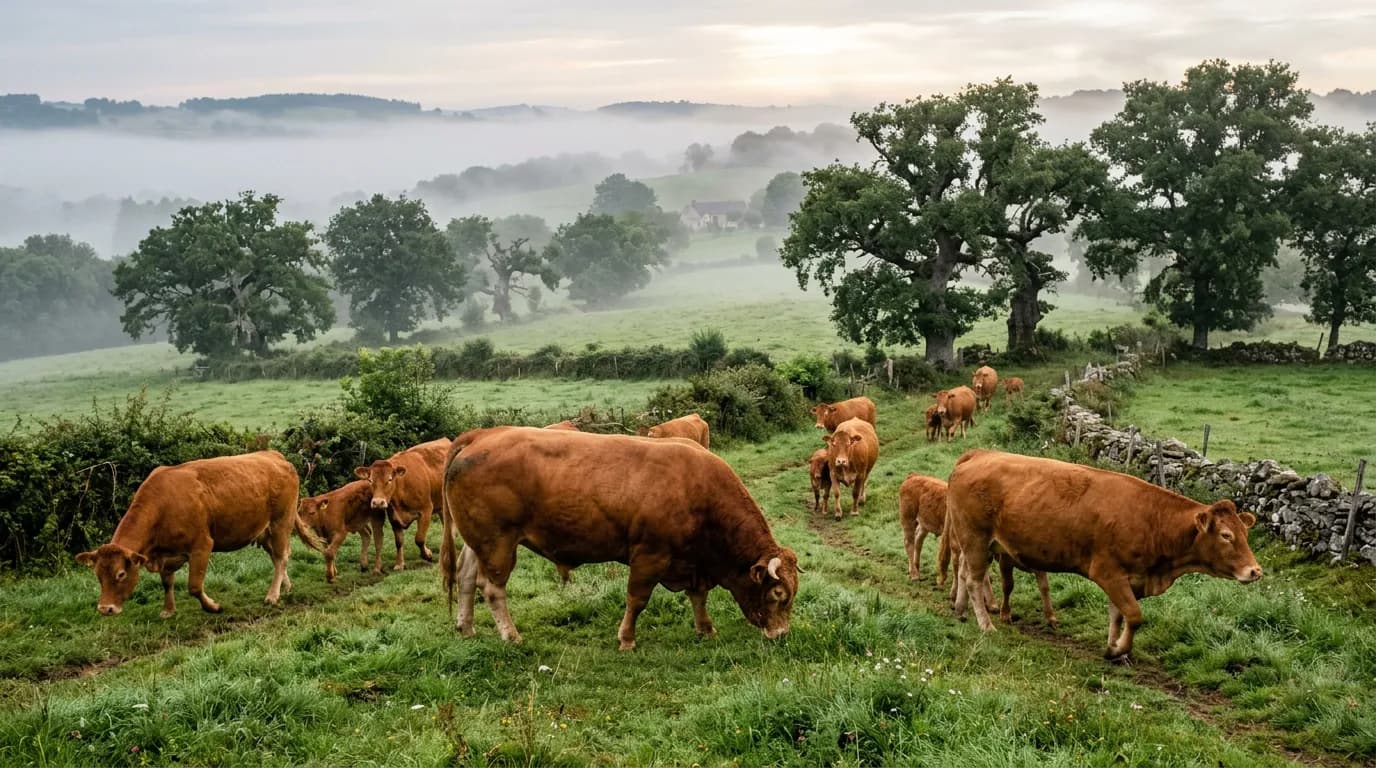
Limousin Cattle Breed Guide: Traits, Care & Buying Tips
A comprehensive guide to Limousin cattle for professional buyers — covering breed traits, lean meat profile, feed efficiency, sourcing from France, and transport logistics to Italy.
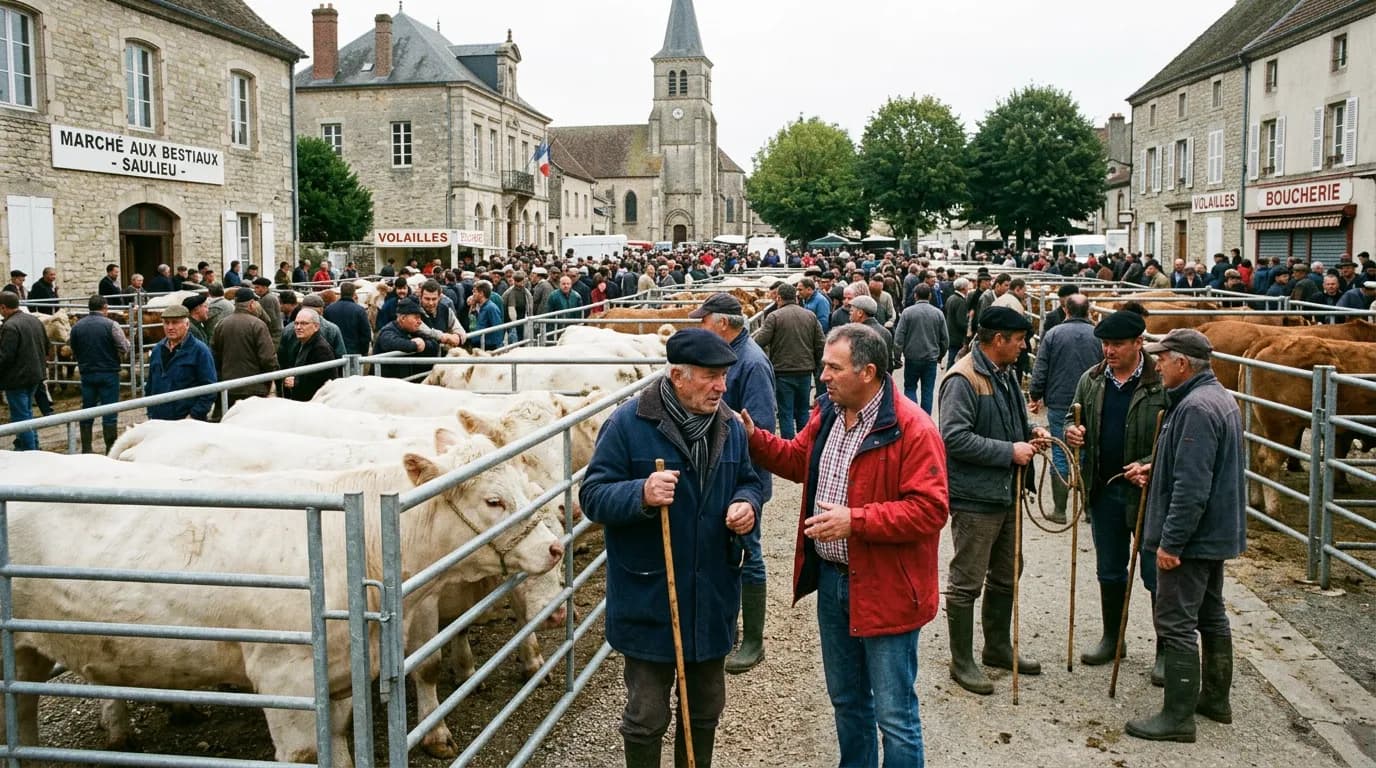
Buying Cattle From France: Breeds, Markets & Export Process
A comprehensive guide to sourcing cattle from France for European buyers — covering available breeds, livestock markets, seasonal patterns, export documentation, and transport logistics.
Ready to Source Livestock — or List Your Stock?
Whether you are a buyer looking for specific breeds or a seller seeking reliable access to European buyers, Bovatra manages the full transaction cycle.