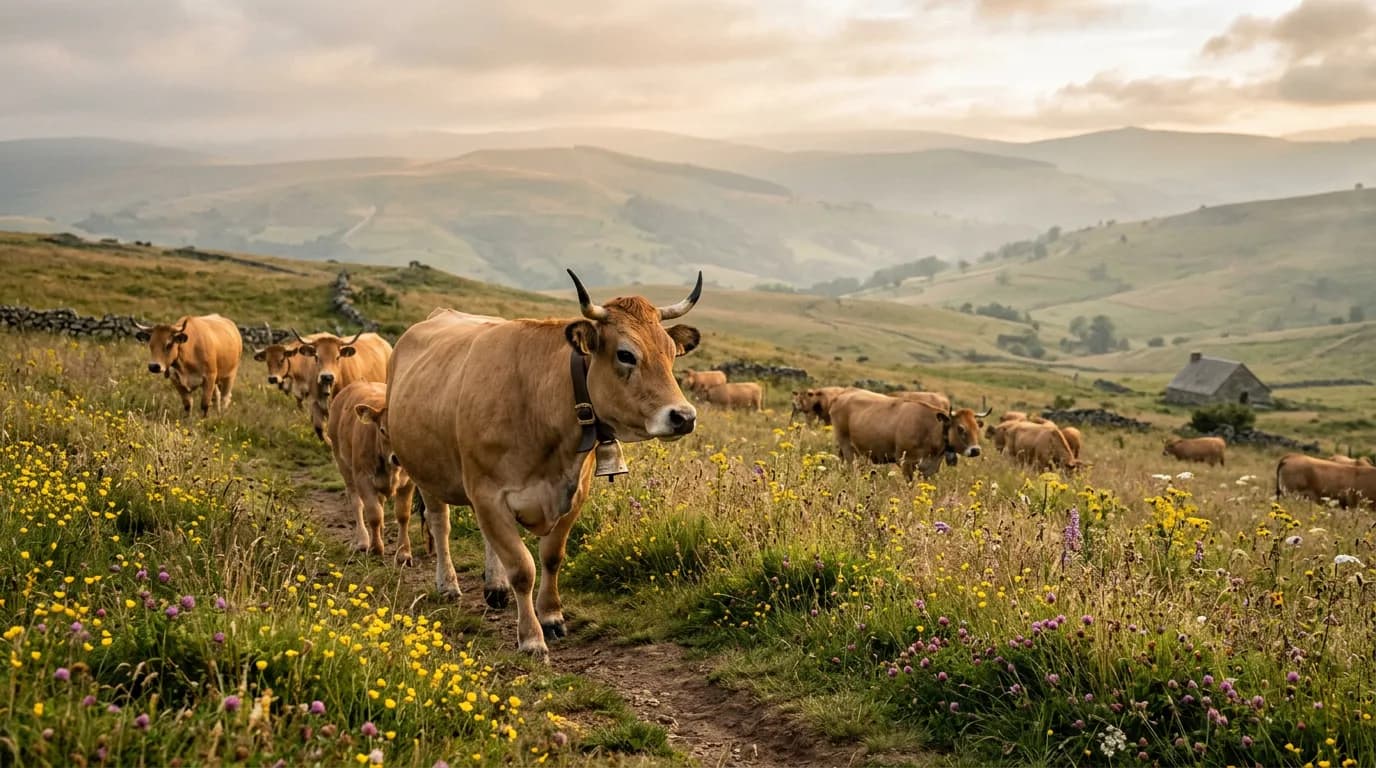
Aubrac Cattle Breed Guide: Resilient French Breed for Fattening
A comprehensive guide to Aubrac cattle for professional buyers — covering breed characteristics, resilience, fattening performance, sourcing from France, and cross-border logistics to Italy.
Table of Contents
Introduction to Aubrac Cattle
The Aubrac is a distinctive French beef breed celebrated for its exceptional hardiness, maternal instincts, and adaptability to challenging environments. Named after the volcanic Aubrac plateau in south-central France, this breed has evolved over centuries to thrive in conditions that would challenge most commercial cattle — high altitudes, harsh winters, sparse vegetation, and rugged terrain. For professional livestock buyers seeking cattle that combine resilience with solid fattening performance, the Aubrac offers a compelling and increasingly sought-after option.
In the European livestock trade, Aubrac cattle have gained considerable attention over the past two decades. Italian fattening operators, in particular, have recognized the breed's value as a source of store cattle that arrive in good condition, adapt quickly to feedlot environments, and convert feed efficiently during the finishing phase. The breed's natural robustness translates into lower veterinary costs and reduced mortality during transport and the critical adaptation period after arrival.
This guide provides professional buyers with a thorough understanding of the Aubrac breed — from its origins and physical characteristics to its performance in fattening systems, sourcing dynamics in France, and the practicalities of cross-border procurement and transport to Italy.
Origin and History of the Aubrac Breed
The Aubrac breed takes its name from the Aubrac plateau, a volcanic highland straddling the departments of Aveyron, Cantal, and Lozère in the Massif Central region of south-central France. This plateau, situated at elevations between 800 and 1,400 metres above sea level, is characterized by long, severe winters, heavy snowfall, strong winds, and a short growing season — conditions that have shaped the Aubrac into one of the hardiest cattle breeds in Europe.
Historical evidence suggests that cattle have been raised on the Aubrac plateau since at least the medieval period. Benedictine monks at the Domerie d'Aubrac, a monastic hospital founded in 1120 AD, are credited with early efforts to develop and improve the local cattle population. For centuries, Aubrac cattle served as triple-purpose animals — providing draft power, milk for cheese production (particularly the renowned Laguiole cheese), and beef.
The modern Aubrac breed was formalized in the late 19th century, with the first herd book established in 1894. During the mid-20th century, the breed faced a period of decline as mechanization eliminated the need for draft animals and specialized dairy breeds proved more productive. By the 1970s, the Aubrac population had fallen to dangerously low levels. A concerted conservation effort by dedicated breeders, supported by French agricultural institutions, reversed this decline by refocusing the breed's selection toward beef production and maternal qualities.
Today, the Aubrac breed numbers approximately 200,000 registered cows in France, with the population growing steadily. The breed has expanded well beyond its original plateau, with herds now established across many regions of France and in several other European countries. This growth reflects the market's recognition of the Aubrac's unique combination of hardiness, fertility, and beef production capability.
Physical Characteristics and Conformation
Aubrac cattle are immediately recognizable by their distinctive fawn to wheat-coloured coat, which varies from light golden to darker tawny shades depending on the individual and the season. The coat lightens noticeably in winter, providing natural camouflage in snowy highland environments. A defining visual feature is the breed's dark points — the muzzle, eyelids, horn tips, hooves, and tail switch are all distinctly black, creating a striking contrast against the lighter body coat.
The breed displays a medium-framed, well-balanced conformation that reflects its adaptation to rugged terrain. Mature cows typically weigh 600 to 750 kg, while bulls range from 900 to 1,100 kg. The body is compact and deep, with a strong back, well-sprung ribs, and good depth of flank. The legs are sturdy with dense bone and hard, dark hooves — essential adaptations for animals that spend extended periods on rocky, uneven ground.
The head is elegant and expressive, with a broad forehead, prominent dark eyes surrounded by distinctive dark eye-rings (sometimes described as 'kohl-lined'), and lyre-shaped horns with dark tips. The horns are medium-length and curve upward and outward, though polled genetics are being developed to meet modern handling requirements.
For buyers evaluating Aubrac cattle for fattening operations, the key conformation points to assess include depth and width of body (indicating capacity for feed intake and growth), muscling through the loin and hindquarter, structural soundness in the legs and feet, and overall balance. While Aubrac are not as heavily muscled as specialist beef breeds like Charolais or Limousin, they carry a good natural covering of muscle with moderate fat distribution, resulting in well-finished carcasses with good eating quality.
Hardiness and Adaptability
The defining characteristic of the Aubrac breed is its extraordinary resilience. Centuries of natural and artificial selection on the harsh Aubrac plateau have produced an animal uniquely equipped to handle environmental stress — and this hardiness translates directly into commercial advantages for livestock buyers and fattening operators.
Aubrac cattle demonstrate exceptional cold tolerance, with their thick winter coat providing insulation against temperatures well below freezing. In summer, the coat sheds to a shorter, lighter covering that helps manage heat. This thermoregulatory capacity means Aubrac cattle maintain condition and performance across a wider range of climatic conditions than many commercial breeds.
The breed's foraging ability is outstanding. On the Aubrac plateau, cattle graze on sparse, coarse mountain vegetation for 5 to 6 months of the year during the traditional transhumance period. This grazing heritage has given the Aubrac a robust digestive system capable of extracting maximum nutrition from low-quality forages — a trait that can reduce feed costs in fattening operations that incorporate forage-based diets.
Disease resistance is another significant advantage. Aubrac cattle are noted for their strong immune systems and low susceptibility to common cattle ailments. In practical terms, this means lower veterinary costs, reduced antibiotic usage, and fewer treatment interventions during the fattening phase. For buyers importing cattle across borders, the Aubrac's natural robustness also translates into better survival rates during transport and faster recovery during the post-arrival adaptation period.
Fertility and maternal ability are exceptional in the Aubrac breed. Calving rates consistently exceed 95% in well-managed herds, and calving difficulty is notably rare due to the breed's moderate birth weights (typically 35-42 kg). Cows are attentive mothers with excellent milk production for a beef breed, ensuring strong calf growth rates from birth to weaning. These maternal traits are particularly relevant for buyers involved in cow-calf operations or crossbreeding programs.
Fattening Performance and Carcass Quality
While the Aubrac was not originally developed as a specialist fattening breed, decades of selection for beef production have significantly improved its finishing performance. In structured fattening systems, Aubrac cattle deliver respectable growth rates combined with excellent feed efficiency relative to their maintenance requirements.
Under typical Italian finishing conditions, Aubrac store cattle (typically arriving at 300-400 kg and 8-12 months of age) can achieve average daily gains of 1.1 to 1.4 kg per day on well-formulated finishing rations. While these growth rates are somewhat below those of larger continental breeds like Charolais (1.3-1.6 kg/day), the Aubrac's lower maintenance energy requirements and efficient feed conversion partially offset the difference in absolute daily gain.
Feed conversion ratios for Aubrac cattle in finishing systems typically range from 6:1 to 7.5:1 (kg feed per kg gain), which is competitive when the breed's moderate mature size and lower feed intake are considered. The net cost of gain — which accounts for both feed costs and the amount consumed — can be very attractive compared to larger, higher-intake breeds.
Carcass characteristics of finished Aubrac cattle include a dressing percentage of 56-60%, which is moderate by continental standards but reflects good meat-to-bone ratios. The meat is well-regarded for its flavour, tenderness, and distinctive taste profile — qualities that are increasingly valued in premium beef markets. Intramuscular fat levels (marbling) tend to be moderate, producing meat that balances leanness with eating quality.
In France, Aubrac beef has earned the Label Rouge quality certification, and the breed is central to several Protected Designation of Origin (PDO) products, including Boeuf Fermier Aubrac. These quality recognitions underscore the breed's capacity to produce premium beef when managed appropriately. For Italian buyers, Aubrac cattle can fill a niche in operations targeting quality-differentiated beef products rather than purely commodity markets.
Crossbreeding Value
One of the Aubrac's most commercially significant roles in modern livestock production is as a maternal breed in crossbreeding programs. The breed's combination of hardiness, fertility, calving ease, and strong maternal instincts makes Aubrac cows ideal recipients for terminal sire crosses with heavily muscled breeds such as Charolais, Limousin, or Blonde d'Aquitaine.
Aubrac-sired crossbred calves — particularly Aubrac x Charolais — are widely available in French livestock markets and represent an excellent option for Italian fattening operators. These crossbred animals inherit the Aubrac dam's robustness and adaptability while gaining the sire breed's superior muscular development and growth potential. The result is a store animal that combines transport hardiness with strong finishing performance.
Typical characteristics of Aubrac-cross store cattle include good structural soundness and leg quality from the Aubrac dam, improved muscling from the terminal sire, moderate to good growth rates during the finishing phase (often 1.2-1.5 kg/day depending on the sire breed), and enhanced resilience during transport and adaptation compared to purebred terminal-breed animals. These crossbred animals often represent the best value proposition for Italian fattening buyers who want animals that perform well in the feedlot while presenting fewer health and adaptation challenges upon arrival.
For buyers interested in cow-calf production or maintaining a breeding herd, Aubrac bulls are valued for their ability to improve hardiness and maternal traits in commercial cow herds. Aubrac-cross replacement heifers are sought after for their longevity, fertility, and ability to calve unassisted, reducing labour costs and improving herd productivity.
Sourcing Aubrac Cattle from France
The Aubrac's traditional heartland in the Aveyron, Cantal, and Lozère departments remains the primary sourcing region for purebred Aubrac cattle. However, the breed's expansion across France means that Aubrac and Aubrac-cross cattle are now available from a wider geographic area, including regions in the Massif Central, southwestern France, and parts of the Pyrenees.
The French market for Aubrac store cattle follows seasonal patterns linked to the breed's traditional calving and transhumance calendar. The majority of Aubrac herds calve in late winter to early spring (January to March), with calves weaned in autumn (September to November) after the summer grazing season on mountain pastures. This means the primary availability of weaned Aubrac broutards coincides with the September-December marketing window, though autumn-born calves provide a secondary supply in spring.
Purchasing channels for Aubrac cattle include regional livestock markets in the breed's heartland — notably the markets at Laissac (Aveyron), which is one of the largest cattle markets in France and a major trading point for Aubrac cattle. Direct farm purchases through established sourcing networks offer the advantage of selecting animals to specific buyer requirements, including weight, age, sex, and conformation criteria.
Pricing for Aubrac store cattle is generally competitive with other French beef breeds, reflecting the breed's moderate frame size and muscling compared to specialist beef breeds. However, Aubrac cattle frequently offer better value when total cost of ownership is considered — their lower health costs, reduced mortality, and efficient feed conversion can significantly improve the economics of the fattening cycle.
Bovatra maintains active sourcing relationships in the Aubrac heartland and can procure both purebred Aubrac and Aubrac-cross store cattle to meet buyer specifications. Our familiarity with regional markets and breeding networks ensures access to quality animals at competitive prices.
Transport and Logistics Considerations
Transporting Aubrac cattle from south-central France to Italian fattening destinations requires careful route planning and logistical coordination. The typical journey from the Aubrac region to northern Italy covers 900-1,300 km depending on the specific origin and destination, with transit times of 14 to 22 hours.
A significant advantage of Aubrac cattle in the transport context is the breed's natural tolerance of stress. Their highland heritage has produced animals that handle loading, confinement, and transit better than many other breeds. Aubrac cattle typically show lower cortisol responses during transport, maintain better hydration, and lose less body weight during transit compared to less robust breeds. These characteristics translate into faster recovery after arrival and a shorter adaptation period before animals can begin the finishing ration.
All transport must comply with EU Council Regulation (EC) No 1/2005, which governs journey times, rest periods, vehicle standards, and loading densities for livestock transport. For journeys exceeding 8 hours — which is the case for virtually all Aubrac-to-Italy routes — a detailed journey log must be prepared and approved before departure, and the transport vehicle must meet enhanced specifications for ventilation, water provision, and temperature monitoring.
Loading density requirements specify a minimum of 1.3-1.6 m² per animal depending on body weight. For typical Aubrac store cattle weighing 300-400 kg, the standard allocation is approximately 1.3 m² per head. Proper partitioning within the vehicle is essential to prevent animals from being thrown during transit, particularly on the winding mountain roads that characterize parts of the route from the Massif Central.
Bovatra coordinates the complete transport process, from arranging EU-authorized carriers with appropriate vehicles to preparing all required documentation including TRACES notifications, health certificates, and journey logs. Our logistical experience with the Aubrac-to-Italy corridor ensures efficient, welfare-compliant deliveries.
Feeding Strategies for Aubrac in Italian Systems
Adapting Aubrac cattle to Italian finishing rations requires an approach that respects the breed's grazing heritage while capitalizing on its capacity for efficient growth. Animals arriving from French mountain pastures will have been raised on a predominantly forage-based diet, making a gradual dietary transition essential for health and performance.
The initial adaptation period — typically the first 2-3 weeks after arrival — should focus on rest, rehydration, and a diet based primarily on good-quality hay or haylage. This forage-first approach allows the rumen microbial population to stabilize after the stress of transport and environmental change. Offering free-choice long-stem hay alongside clean water and mineral supplements provides the foundation for a healthy transition.
Concentrate introduction should begin gradually, starting at 1-2 kg per head per day and increasing by 0.5 kg every 3-4 days until the target finishing ration is reached. A typical finishing ration for Aubrac cattle in Italian feedlots consists of 45-55% maize silage, 20-30% concentrate mix (barley, maize grain), 10-15% protein source (soybean meal), and 3-5% minerals and vitamins. The target dry matter intake for finishing Aubrac cattle is typically 2.0-2.3% of body weight per day — slightly lower than for larger breeds, reflecting the Aubrac's moderate frame size.
Protein levels should be maintained at 12-13% crude protein on a dry matter basis during the growing phase, with a slight reduction to 11-12% during the final finishing phase. Energy density should target 11-11.5 MJ metabolizable energy per kg dry matter for optimal growth without excessive fat deposition.
Water availability is critical and frequently underestimated. Aubrac cattle in finishing systems require 35-60 litres of clean water per day depending on body weight and ambient temperature. Ensuring uninterrupted access to clean water is one of the simplest and most effective ways to support feed intake and growth performance.
Why Choose Aubrac for Your Operation
The Aubrac breed offers a distinctive value proposition for professional livestock buyers who look beyond simple growth rate comparisons. In an industry where transport losses, adaptation failures, health treatments, and mortality events can erode margins significantly, the Aubrac's inherent robustness provides a form of biological insurance that deserves serious economic consideration.
Key advantages of incorporating Aubrac cattle into a fattening program include reduced transport stress and mortality, with the breed's hardiness resulting in significantly lower losses during transit and adaptation compared to less robust breeds. Lower veterinary costs follow naturally, as Aubrac cattle require fewer health interventions during the fattening phase, reducing both direct treatment costs and the labour associated with animal health management. The breed's efficient feed conversion relative to body size means that feed costs per kilogram of gain can be competitive with larger breeds despite lower absolute daily gains.
Additionally, the Aubrac's premium meat quality, with its flavour and tenderness, suits buyers targeting quality-differentiated market segments. The strong crossbreeding value means Aubrac-cross cattle combine the best of both worlds — hardiness from the dam line with growth performance from the sire breed. Supply availability is also favorable, as the growing Aubrac population in France ensures increasing availability of quality store cattle for export markets.
For Italian fattening operators who have experienced challenges with high-input, high-output breed strategies — particularly those related to health management, adaptation losses, or rising veterinary costs — the Aubrac represents a viable alternative that can improve overall operation profitability.
Bovatra is experienced in sourcing Aubrac and Aubrac-cross cattle from France's premier breeding regions. Contact us to discuss how Aubrac cattle can fit into your procurement strategy and receive a tailored sourcing proposal based on your specific operational requirements.
Source Aubrac Cattle
Related Guides
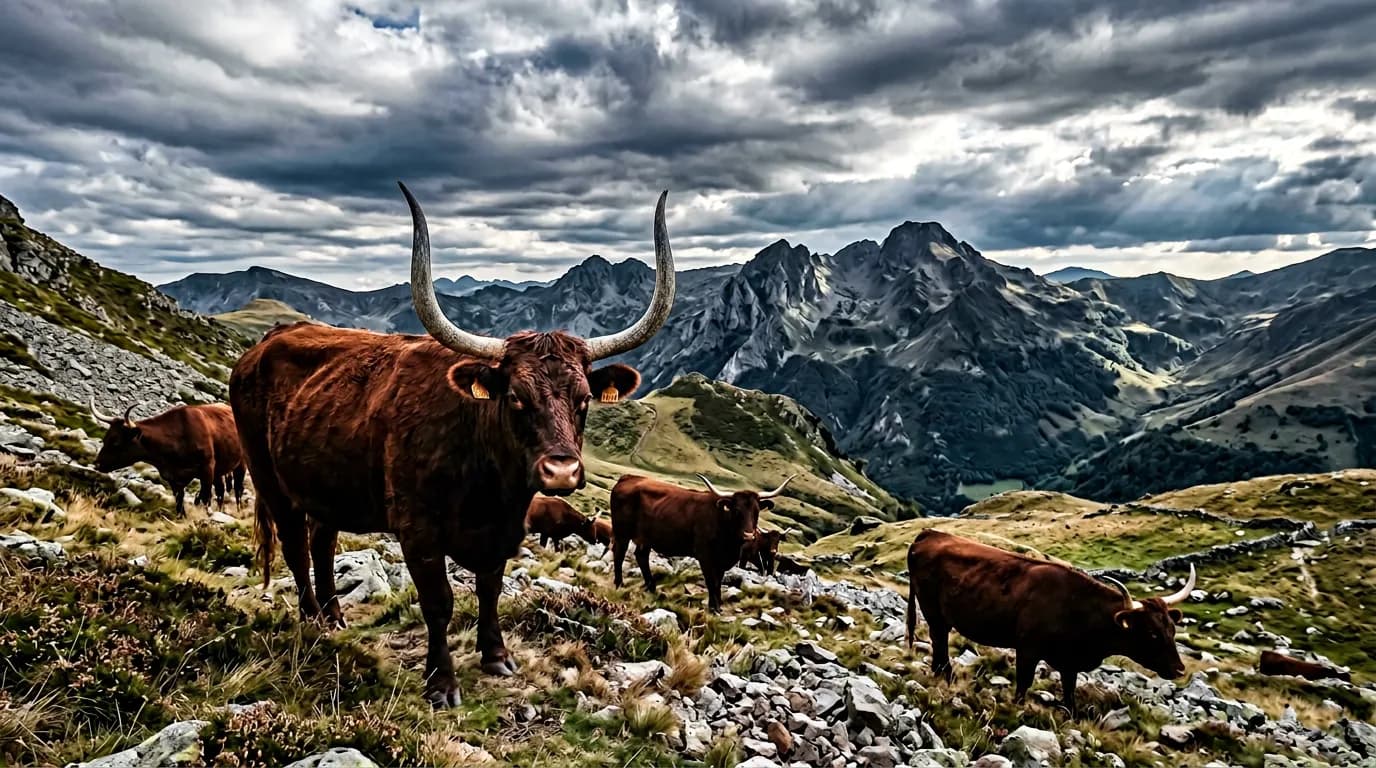
Salers Cattle Breed Guide: Rustic French Breed Profile
A complete guide to Salers cattle for professional buyers — covering the breed's origins in volcanic Auvergne, mahogany coat, lyre-shaped horns, crossbreeding value, mountain adaptation, and French sourcing profiles.
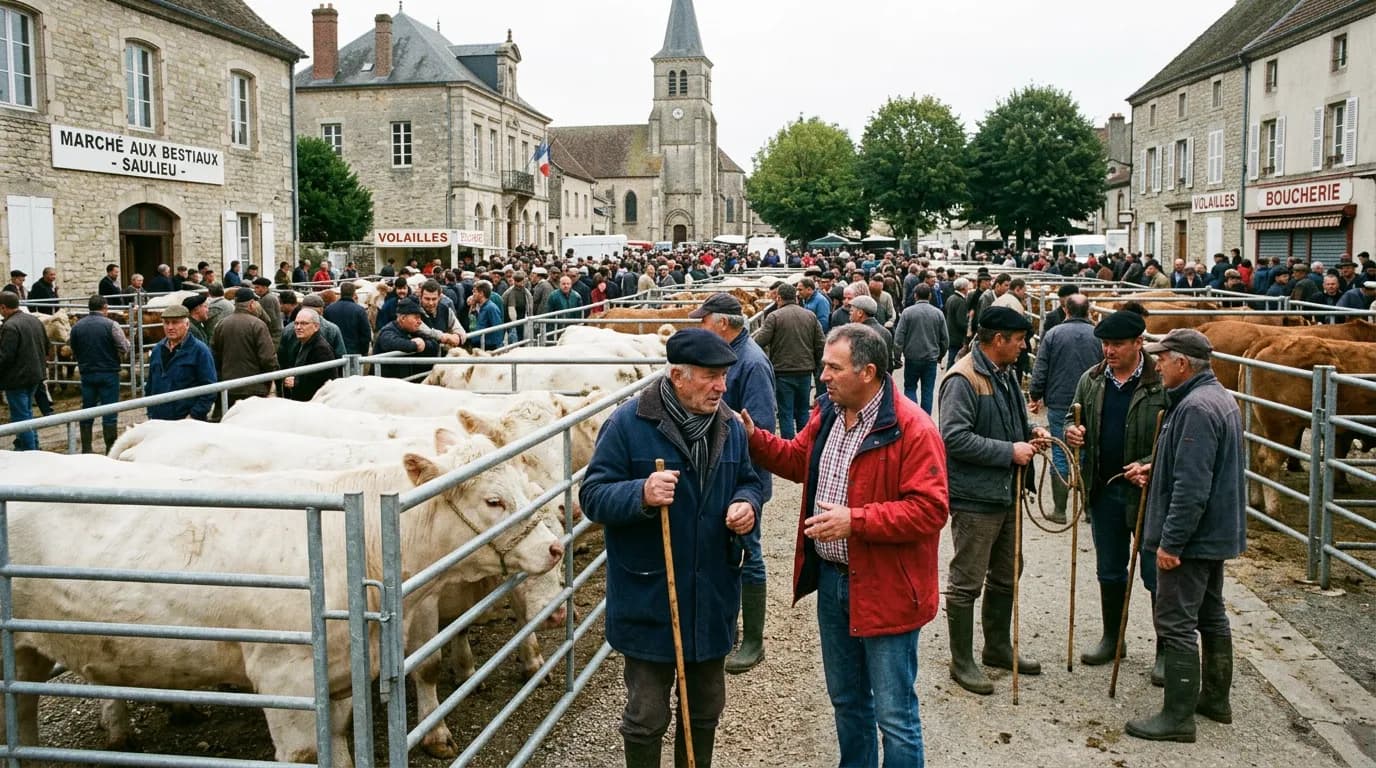
Buying Cattle From France: Breeds, Markets & Export Process
A comprehensive guide to sourcing cattle from France for European buyers — covering available breeds, livestock markets, seasonal patterns, export documentation, and transport logistics.
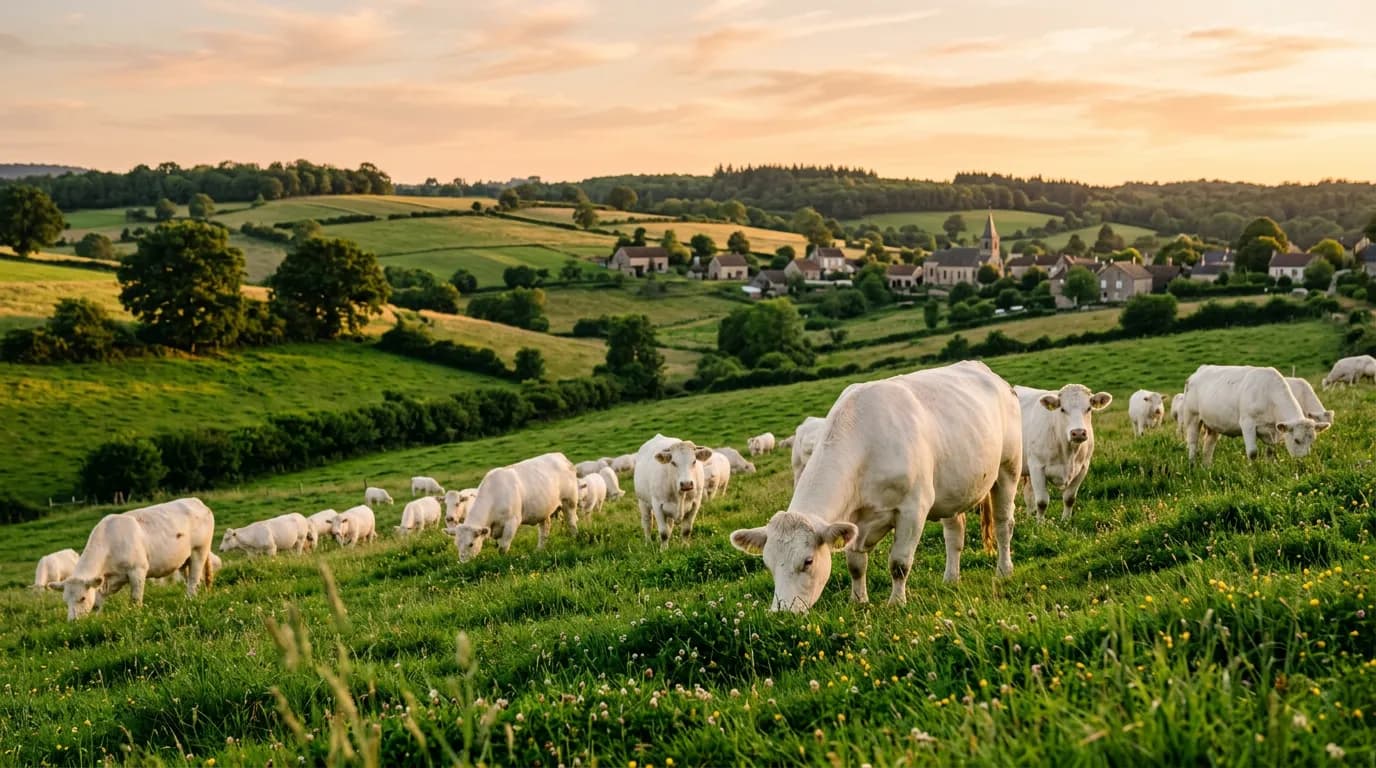
Charolais Cattle Breed Guide: Characteristics, Feeding & Sourcing
Everything professional buyers need to know about Charolais cattle — from breed characteristics and growth performance to sourcing from France and transport to Italy.
Ready to Source Livestock — or List Your Stock?
Whether you are a buyer looking for specific breeds or a seller seeking reliable access to European buyers, Bovatra manages the full transaction cycle.